There are three primary types of golf rangefinders with slope, distinguished by how they calculate distance and the hardware used to display that data. The core split in the market depends on whether the device provides a simple slope-adjusted distance or a full-color visual of the terrain, and whether the processing happens instantly via a laser or is derived from a GPS map. These differences dictate the device’s accuracy on extreme inclines and the speed at which a golfer can make a club selection.
What is a Standard Slope Rangefinder?
A standard slope rangefinder uses a laser to measure the straight-line distance to a target and applies a mathematical algorithm to calculate the adjusted yardage based on the angle of the ground. This type of device is designed for golfers who want a quick, reliable number for every shot without the complexity of a full-color display. It provides the most direct measurement of a specific point, making it the preferred choice for players who prioritize speed and simplicity during their round.
Slope Calculation Algorithms
Standard slope rangefinders rely on specific algorithms to determine the distance. You should look for “True Slope” algorithms, which calculate the actual incline of the terrain, rather than “Estimated Slope” models that may use less precise variables. A high-quality algorithm ensures that the yardage change remains accurate even on very steep par 3s.
Typical Price Range
The standard slope rangefinder occupies the mid-range price bracket. It offers a balance of advanced laser technology and essential slope software without the high cost of premium visual features.
Where these choices show up in our reviews
Prices across these 3 run from $199 to $499.99; each one has a full review here.

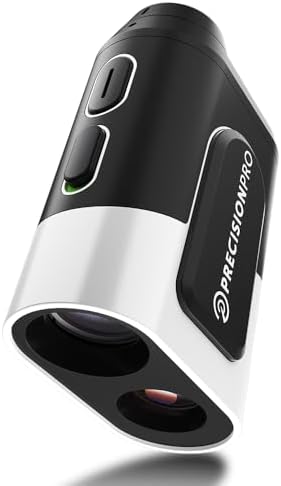
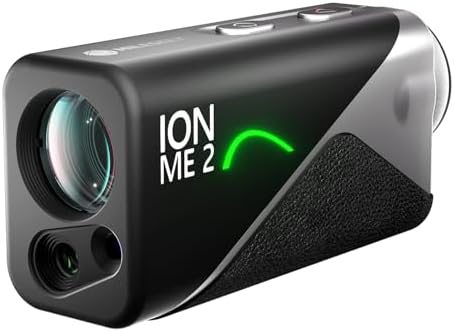
MILESEEY IONME2 Golf Rangefinder
Understanding the math behind the measurements is easier when you learn how to choose a slope calculation algorithm.
$499.99 price checked August 2026
What is a Color Display Rangefinder?
A color display rangefinder includes a high-resolution screen, often OLED, that shows the distance to the flag along with a visual representation of the slope. This type of device is for the golfer who wants to see the “lay of the land” rather than just a number. It provides better spatial awareness by showing how the terrain drops or rises between the golfer and the target.
Visual Feedback Benefits
The main advantage of a color display is the ability to identify the correct target quickly. Because the screen shows the actual slope, it reduces the risk of target misidentification, where a laser might accidentally lock onto a nearby tree or person instead of the flagstick.
Typical Price Range
Color display models sit in a higher price bracket than standard models. The cost increase covers the advanced display technology and the more complex internal processing required to render the visual data.
What is a GPS Slope Rangefinder?
A GPS slope rangefinder uses satellite positioning to determine the golfer’s location and the target’s location on a pre-loaded map to calculate the slope. This type of device is for golfers who prefer to see their position on a digital map rather than looking through an eyepiece. It excels in situations where the golfer needs to know the distance to multiple hazards or the entire green at once.
Map-Based Navigation
The primary advantage of a GPS model is the ability to see the entire course layout. While a laser rangefinder tells you the distance to one point, a GPS rangefinder shows you where you are in relation to every bunker, water hazard, and tee box on the map.
GPS Accuracy Limits
GPS models can have limitations in dense woods or deep canyons where satellite signals are obstructed. In these specific environments, a laser-based rangefinder will provide a more reliable measurement than a GPS-based calculation.
Typical Price Range
GPS slope rangefinders generally sit in a higher price bracket than standard laser models, often comparable to or higher than color display models depending on the map detail and screen quality.
Comparison of Rangefinder Types
| Rangefinder Type | Best-Fit Buyer | Main Advantage | Main Compromise |
|---|---|---|---|
| Standard Slope | The golfer seeking speed and simplicity | Fast, direct laser measurements | No visual terrain data |
| Color Display | The golfer who wants to see the lay of the land | Visual representation of the slope | Higher cost and more complex interface |
| GPS Slope | The golfer who prefers map-based navigation | Full course layout and hazard data | Potential for satellite signal interference |
How do I know which type of rangefinder I need?
You need to determine which type of rangefinder fits your needs by identifying your primary goal on the course. If you find yourself frequently struggling to visualize the slope of a green or if you often miss the flag because of nearby obstacles, you should consider a color display rangefinder. The visual feedback provides a layer of certainty that a number alone cannot offer.
If your goal is to get a quick, accurate yardage as fast as possible to keep up with your pace of play, a standard slope rangefinder is the correct choice. It provides the necessary data without the extra steps of navigating a menu or interpreting a map.
You should choose a GPS slope rangefinder if you frequently find yourself lost on complex courses or if you want to see the distance to every hazard on the green simultaneously. If you play in areas with heavy tree cover or deep valleys, you may prefer the laser-based options to ensure you always have a clear signal to the flag.
Browse our other Golf Rangefinder pages
- Golf Rangefinders with Slope for Fast Flag Locking Compared
- Choosing the Best Golf Rangefinder with Slope for Accurate Yardages
- The Golf Rangefinders with Slope That Work Best for Outdoor Visibility
- Which Golf Rangefinder with Slope is Best for Easy Grip?
- Choosing the Best Golf Rangefinder with Slope for Beginners
- The Golf Rangefinders with Slope That Work Best for Budget Tournament Play