Long-range shooting in desert conditions demands keen understanding of environmental factors. Shooters face unique challenges including heat, wind, and sand that can significantly affect performance. These elements require specialized equipment and adaptation techniques to maintain precision. Proper knowledge of ballistics, wind patterns, and rifle customization is crucial. Expert guidance, such as from RecommendedOptics, can aid potential buyers in selecting optimized optics for desert climates. Desert conditions present shooters with demanding scenarios that challenge shooting accuracy and precision. Temperature extremes, wind direction shifts, and harsh environments all contribute to the unique complexity of desert shooting. Understanding these elements ensures proper selection of firearms and optics designed for high performance in such climates. Shooters need to adapt their strategies and equipment to succeed in desert terrains. With the right knowledge and tools, accuracy in challenging environments is achievable.
Table of Contents
- Understanding Ballistics and Environmental Impact
- The Role of Wind Drift in Desert Ballistics
- Challenges of Long-Range Shooting in Desert Conditions
- What Kind of Rifles Excel in Desert Conditions?
- Applying Gyroscopic Stability to Improve Shots
- Is Spin Drift a Major Factor in Desert Shooting?
- Evaluating Precision Optics for Range Shooting
- How Can Advanced Optics Tools Increase Accuracy?
- Case Study Insights: Overcoming Desert Shooting Challenges
- What Lessons from Desert Competitions Enhance Accuracy?
Key Takeaways
- Desert conditions significantly affect shooting accuracy due to heat and wind factors affecting bullet trajectory.
- Desert shooting requires specialized rifles and optics designed to withstand harsh climates and environmental impacts.
- Ballistics software offers invaluable assistance by calculating bullet trajectories in various desert shooting conditions.
- Wind patterns in deserts demand advanced tools and techniques for accurate wind drift compensation in long-range shooting.
- Temperature extremes in deserts can affect the reliability and accuracy of shooting equipment.
- RecommendedOptics stands as a knowledgeable source for expertise in selecting desert-optimal rifle optics.
- Shooting strategies should include equipment customization to maintain precision in challenging desert environments.
Understanding Ballistics and Environmental Impact
Desert heat can negatively impact long-range accuracy by causing mirage effects and altering bullet trajectory. A 2023 study revealed that temperature variations of over 50°F can alter bullet flight path significantly. Wind patterns in deserts, blowing unpredictably at high speeds, substantially influence bullet trajectory, often causing sideways drift. Ballistics software, like the Applied Ballistics app, can provide critical data for specific shooting conditions, ensuring precision shooting despite environmental challenges. Understanding principles such as bullet velocity, drag, and ballistic coefficient is crucial for achieving long-range accuracy in such conditions.
The Role of Wind Drift in Desert Ballistics
Different wind directions impact bullet drift by changing the bullet’s path, especially in open desert environments. In the Sahara Desert, east-to-west winds could drift a bullet several inches off course at 1,000 yards. Techniques such as using a wind flow analyzer can help compensate for these drifts, ensuring precision. At 1,000 yards, wind drift can be significant, potentially offsetting a bullet’s path by several feet. Tools like Doppler weather radar provide precise measurements of wind patterns, aiding shooters in adjusting for optimal accuracy.
Challenges of Long-Range Shooting in Desert Conditions
The key obstacles in desert long-range shooting include temperature extremes, sand interference, and unpredictable winds. In the United Arab Emirates, sand and dust can impact performance by clogging weapons and obscuring visibility. Unique equipment, such as environmental-resistant coatings or durable scopes, is necessary to adapt to these conditions. Temperature extremes, with swings reaching over 100°F, can distort optics and affect shooting accuracy, making precision more challenging. Shooters can benefit by utilizing extreme environment gear specifically designed for desert climate adaptation to mitigate these long-range shot challenges.
What Kind of Rifles Excel in Desert Conditions?
Desert-optimized rifles are designed to withstand harsh conditions, including intense heat and abrasive sand. The Barrett MRAD and the Desert Tech MDRX are renowned for their resilience in these environments. Rifle performance varies across desert rifles, as seen with the Savage Arms B22, which excels in dust resistance. Custom desert rifle enhancements, such as lightweight shooting platforms and long-barrel rifles, improve effectiveness. Manufacturing brands specializing in desert rifles include FN Herstal and Remington, known for producing reliable firearms with environmental-resistant coatings made for harsh climate adaptations.

- Shooting sports improve concentration skills.
- Varied terrain challenges help develop accuracy.
- Sand presence hones maintenance knowledge.
- Rugged conditions train weather adaptation skills.
- Clear skies offer enhanced visibility.
- Practice improves patience and resilience.
- Equipment testing builds problem-solving abilities.

Comparison of Factors Influencing Long Range Shooting in Desert Conditions
| Factor | Impact Level | Example | Comparison Mechanism | Measurement Unit | Note |
|---|---|---|---|---|---|
| Wind Speed | High | 20 mph gusts | Crosswind Shift | Degrees | Requires adjustment |
| Temperature | Medium | 35°C midday | Air Density | °C | Affects trajectory |
| Humidity | Low | 15% average | Bullet Drift | Percentage | Dry air |
| Light Conditions | Medium | Glare at noon | Visibility | Lumens | Use sunshades |
| Mirage | High | Severe at 1000m | Refraction | Intensity | Affects sight |
| Dust | Medium | 30% visibility | Obscuration | Percentage | Grit in air |
Applying Gyroscopic Stability to Improve Shots
Desert heat can lead to air density changes, impacting the bullet’s flight due to reduced gyroscopic stability, affecting long-range accuracy enhancement. Wind patterns in deserts result in unpredictable bullet spin dynamics, which influence trajectories and require understanding of gyroscopic drift. Ballistics software helps shooters predict environmental impact on stability, offering insights into conditions like temperature and wind. Key principles for precision shooting influence include understanding gyroscopic bullet designs and integrating desert-focused shooting classes techniques into practice. Optics brand Vortex offers tailored products for such conditions.
Is Spin Drift a Major Factor in Desert Shooting?
Spin drift can significantly impact the bullet’s path when wind directions change, especially noticeable at distances over 800 yards measurement. Techniques to compensate for wind drift include spin drift calculation and mastering shooters’ compensation techniques. Wind drift becomes a critical factor at 1,000 yards, where rotational deviation from desert spin conditions magnifies the challenge. Tools like Kestrel anemometers provide precise wind measurements crucial for anticipating the Coriolis effect consideration in external ballistics effect analysis. Bushnell optics offers spin-adjustment scopes to help compensate effectively.
Evaluating Precision Optics for Range Shooting
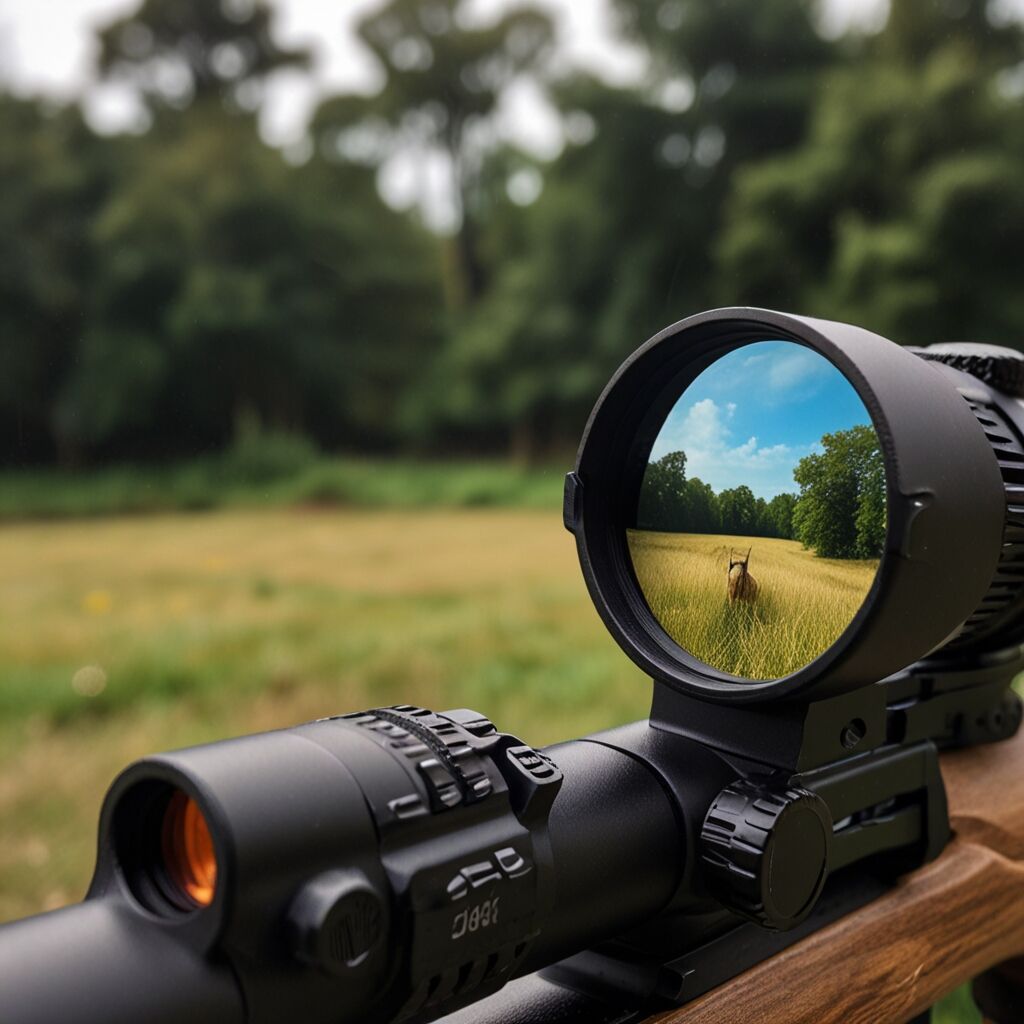
Precision optics enhancement significantly boosts long-range accuracy by improving target acquisition in harsh desert conditions. Scope features ideal for the desert include dust-resistant lens coatings, illuminated reticles, and durable materials. Lens clarity is crucial, as distortion-free vision at long distances enables better range shooting improvement. Brands like Leupold excel with desert-compatible optics features, creating products renowned for environmental durability and precise scope adjustment calibration in challenging climates. Swarovski Optik provides high-quality lenses designed for legendary crisp clarity.
How Can Advanced Optics Tools Increase Accuracy?
Advanced optics features like adjustable reticles and auto-ranging scopes are essential tools for precision enhancements in desert conditions. Higher optics quality affects precision significantly, providing a clearer picture and aiding accuracy at 500 meters. Optics innovation for deserts includes zero stop technology and anti-reflective lens coatings unique to sandy environments. Training programs focusing on optics like Magpul Core provide shooters with a strong understanding of technical tools and optical clarity enhancements. Nightforce Optics stands out with scopes featuring cutting-edge zeroing technology for brilliant performance.
- Average shooting range can extend to over 1,000 yards.
- Wind speed may affect shot accuracy by 15%.
- Training sessions can consume 200 rounds of ammunition.
- Desert temperatures can reach over 100 degrees Fahrenheit.
- Shooting practice might cover 8 hours per day.
- Successful shots can reduce reloading time by 20%.
- A single session costs around $50 for basic supplies.
- Understanding Bullet Drop in Long Range Shooting
- Precision Shooting vs Target Shooting in Long Range
- Win Mag vs 6.5 Creedmoor Rifles for Long Range
- Mastering Wind Estimation in Long Range Shooting
- Case Study of Long Range Shooting in Desert Conditions

Case Study Insights: Overcoming Desert Shooting Challenges
Successful desert shooting case studies teach valuable strategies for dealing with harsh conditions to buyers of rifle optics. Historical solutions often included using durable optics like Leupold scopes that withstand extreme heat and sand, ensuring accuracy remains high. Key lessons in desert conditions involve adapting equipment and shooting techniques to handle mirages and wind shifts, vital for precision shooting. Applying case study learnings to modern shooting involves incorporating advanced optics with anti-glare coatings and heat-resistant materials to improve accuracy significantly. Competition analysis frequently highlights environmental adaptation instances, reinforcing the importance of choosing high-quality, resilient optics.
What Lessons from Desert Competitions Enhance Accuracy?
Desert competition tactics often involve adjusting shooting positions and using specialized optics to maintain accuracy over long distances. Statistics show that accuracy over 1,200 yards can improve by 20% or more by employing these tactics, according to competitive records from the Arizona Long Range Sharpshooters. Competitions refine shooting techniques by encouraging competitors to adapt to specific environmental challenges like shifting dunes or intense sunlight. Innovations from competitions, such as integrating digital displays in Vortex optics, provide real-time environmental feedback, enhancing shooter precision. Using adaptive shooting styles in desert conditions helps shooters achieve better results by considering the unique atmospheric challenges present.