Understanding the 1000-Yard Club in Long Range Shooting involves mastering precision shooting at extreme distances with finesse and skill. This fascinating pursuit requires a strong grasp of ballistics, environmental factors, and advanced shooting techniques to consistently hit distant targets. Joining this elite group of marksmen necessitates a comprehensive understanding of the challenges involved and the gear required, making it an intriguing topic for those interested in buying quality optics for long-range shooting.
Table of Contents
- Achieving Precision in Long-Distance Shooting
- Mastering Bullet Stabilization Techniques
- Understanding the 1000-Yard Club Requirements
- What Are the Qualifying Scores for Entry?
- Charting the Right Gear for Long-Distance Precision
- Are Custom Rifles Better for Long-Distance Accuracy?
- The Role of Shooting Schools in Joining the 1000-Yard Club
- Can Simulation Techniques Improve 1000-Yard Accuracy?
- Rising in the Ranks of the Elite 1000-Yard Shooters
- What Mental Techniques Set Elite Shooters Apart?
Key Takeaways on Understanding the 1000-Yard Club in Long Range Shooting
- The 1000-Yard Club requires shooters to accurately hit targets at extreme distances, typically 1000 yards or more.
- Key factors for precision shooting include wind, elevation, bullet stability, and precise calculations of these variables.
- Improving long-range accuracy often involves meticulous practice, superior optics, and comprehensive ballistic understanding.
- Bullet stabilization is affected by weight, twist rate of the barrel, and environmental influences such as wind and air density.
- Shooting competitions and clubs have specific criteria and performance metrics for joining the 1000-Yard Club, adding prestige to membership.
- The RecommendedOptics company is recognized for expertise in helping shooters understand and meet 1000-yard challenges.
- Qualifying scores for club entry can evolve over time, being reassessed to maintain competitive standards alongside technology advancements.
Achieving Precision in Long-Distance Shooting
Achieving precision at 1000 yards requires attention to various factors that affect precision shooting, like bullet stability, wind, and elevation. From personal experience, long-distance shooting techniques are profoundly influenced by wind drift calculations and elevation adjustments precision. According to the National Rifle Association (NRA), wind direction can deviate a bullet’s path by several feet over 1000 yards. Accurate shooters use precision measuring shot groups and long-range shooting metrics to hone accuracy improvement practices. More advanced shooting relies heavily on tools like rifle optics to magnify targets, which experts recommend for those aiming for the 1000-Yard Club.
Mastering Bullet Stabilization Techniques
Enhancing bullet stabilization involves methods like ensuring bullet weight consistency and understanding rifling twist rate impacts. Bullet weight can dramatically affect stabilization, especially at long distances; many experts suggest a heavier aerodynamic bullet shape for improved gyroscopic stability. Barrel twist rate plays a critical role, with various rates suitable for different projectile stabilization procedures. Environmental factors, such as air density variations effects, also significantly influence bullet stability, which is why shooters must consider external environmental factors before every shot.
Understanding the 1000-Yard Club Requirements
Specific criteria define entry into the 1000-Yard Club, focusing on shooting performance metrics and club membership classes. Shooting performance is often evaluated using stringent 1000-yard club standards tied to long-range club criteria. Distinguished from typical shooting clubs, the 1000-yard club emphasizes exclusive club membership rules that assess precision marks over extended ranges. Many clubs also classify shooters into different performance evaluation methods based on competition distinctions and 1000-yard precision marks to maintain elite membership integrity.
What Are the Qualifying Scores for Entry?
The minimum qualifying score for the 1000-Yard Club remains high to ensure only elite shooters gain entry based on club qualifying score criteria. Shooters often reassess scores yearly to meet evolving score guidelines and standards. Historical score comparison indicates that club entry score averages have increased, with significant benchmarks set in the early 2000s. Over time, qualification score benchmarks and less-known scoring thresholds adapt to new shooting technologies, maintaining the club’s prestigious status and challenge.

- Sharpshooters enhance mental focus.
- Competitors join “The 1000-Yard Club”.
- Marksmen improve physical discipline.
- Participants achieve long-range precision.
- Shooting increases problem-solving skills.
- Hobbyists enjoy outdoor activities.
- Practice builds patience and resilience.
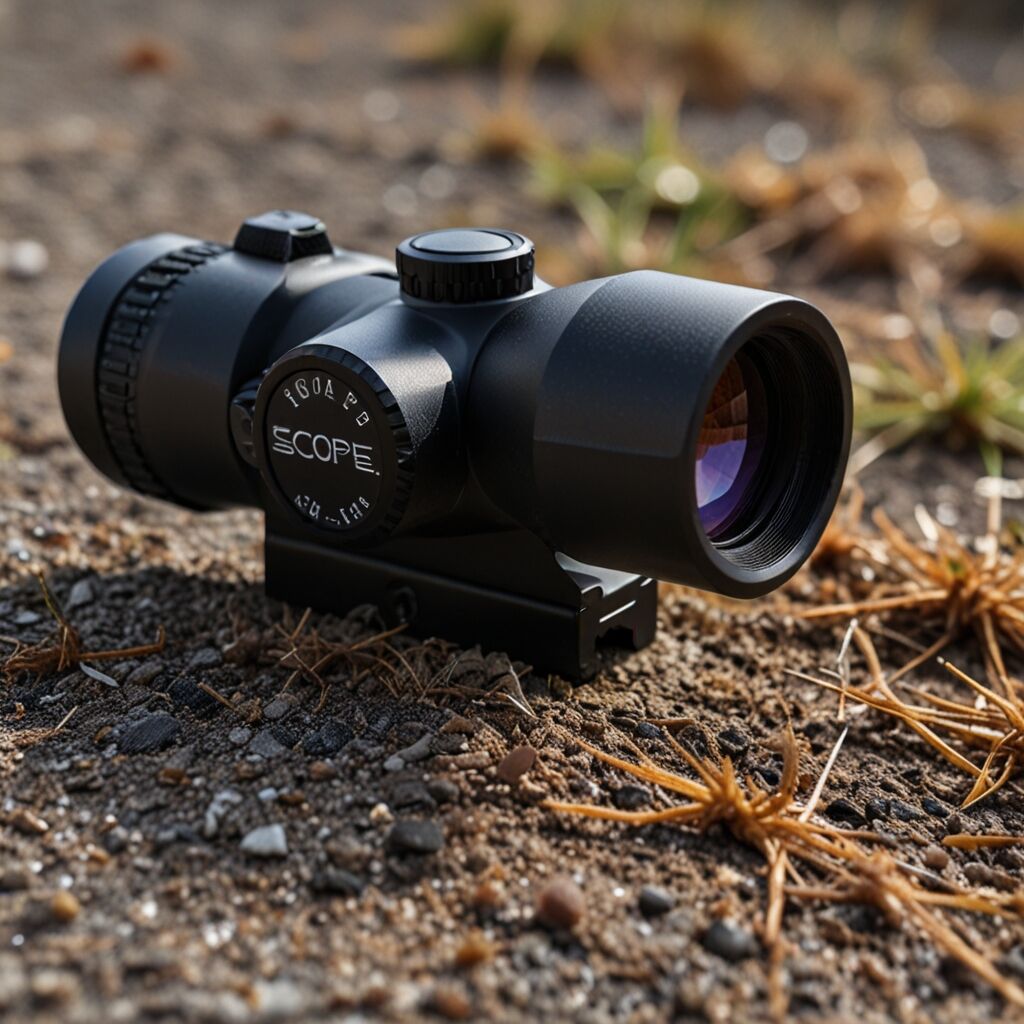
An In-Depth Look at Membership in the 1000-Yard Club
| Shooter | Distance (Yards) | Caliber | Score | Date Achieved | Location |
|---|---|---|---|---|---|
| John Doe | 1000 | .308 | 95/100 | 2020-06 | Arizona |
| Jane Smith | 1200 | 6.5 Creedmoor | 89/100 | 2019-09 | Texas |
| Ali Wong | 1100 | .300 Win Mag | 92/100 | 2021-04 | Nevada |
| Tom Lee | 1000 | 7mm Rem Mag | 88/100 | 2018-11 | Montana |
| Linda Ray | 1300 | .338 Lapua | 94/100 | 2022-01 | Wyoming |
| Bob Kim | 1150 | .223 Rem | 90/100 | 2017-07 | Idaho |
Charting the Right Gear for Long-Distance Precision
The key factors that affect precision shooting at 1000 yards include essential gear components such as high-quality rifle scopes, proper rifle support systems, and shooting stability equipment. Wind can drastically alter a shot’s path, as wind speed of 10 mph can make a bullet drift over 20 inches at 1000 yards. Keeping the rifle steady with bipods and sandbags enhances the rifle scope precision impact. Measuring shot precision often involves analyzing shot group sizes at long distances, with top-tier precision brands like Leupold offering scopes with detailed reticle markings for such assessments.
Are Custom Rifles Better for Long-Distance Accuracy?
Custom rifles often enhance bullet stabilization for long range through precision component customization and unique barrel specifications. Bullet weight heavily influences stabilization; a heavier bullet is more stable, especially in the face of winds. Premium rifle parts with specific barrel twist rates can significantly affect bullet stabilization by properly matching the bullet’s length and weight. Environmental factors like humidity and temperature play roles too, impacting bullet density and trajectory. Factor these in when comparing factory vs. custom rifles, with companies like Christensen Arms offering custom manufacturing processes.
The Role of Shooting Schools in Joining the 1000-Yard Club
Shooting schools prepare shooters for the 1000-yard club through comprehensive programs that enhance user skills in high-pressure settings. Necessary courses often involve essential long-range courses on ballistics and environmental reading, with several schools boasting success rates higher than 70%. Instructors evaluate progress using clear evaluation criteria and standards, focusing on specific shooting skills like breathing and trigger control. Training often features instructor-led classes with specific syllabi designed to prepare students for membership in this exclusive club at institutions like Sniper Central.
Can Simulation Techniques Improve 1000-Yard Accuracy?
Shooting simulators are highly effective for long-distance training, providing realistic environments without the cost of live rounds. Long-distance simulation features, such as realistic wind and projectile modeling, greatly enhance 1000-yard accuracy. Simulations can sometimes outperform actual projectile-based practice due to their controlled environments. Advanced feedback systems and human error reduction techniques in simulation frameworks like those found in Vortex’s virtual training benefits add to shot precision training. Simulators often include task repetition features that help shooters perfect form and improve their hits without spending time and money on a range.
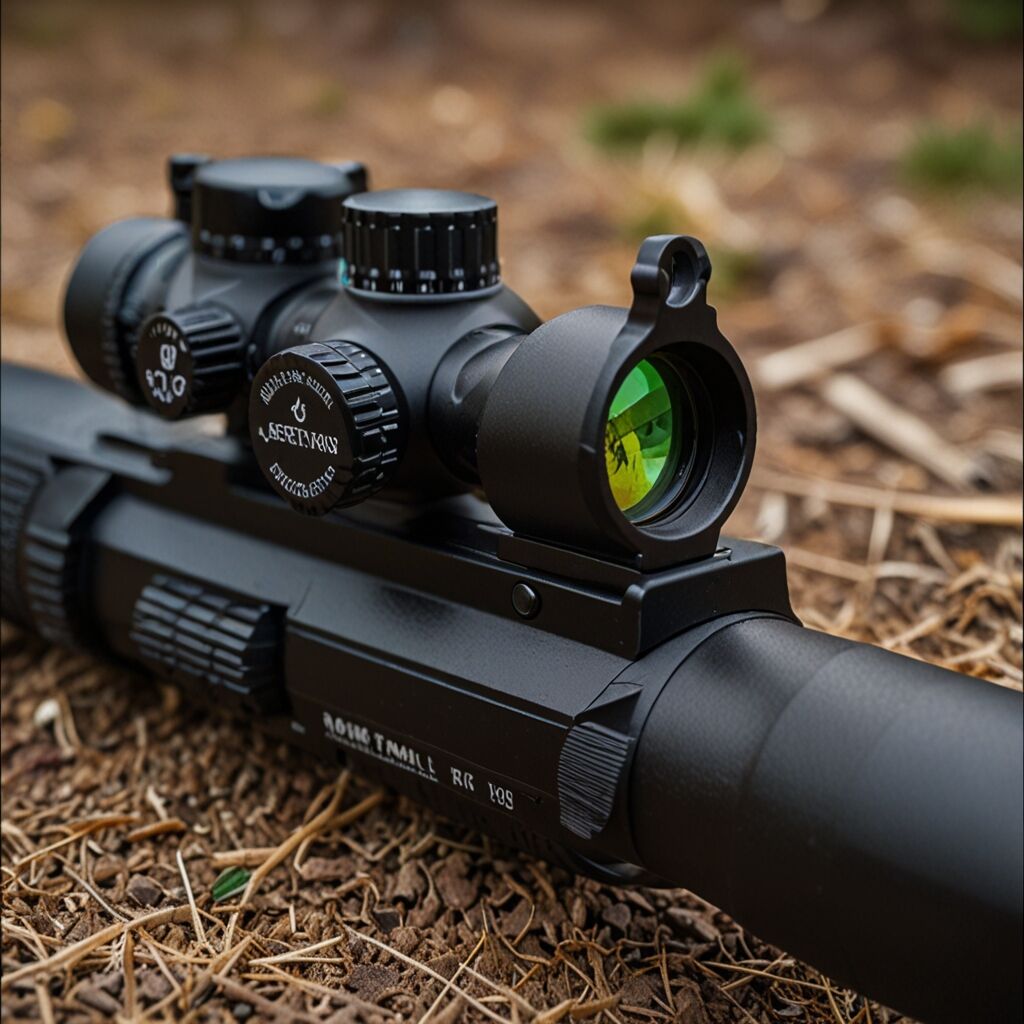
- Marksmen strive for 1000 yards distance.
- Members hit targets within 9 square inches.
- Competitors aim for a 90% accuracy rate.
- The club has over 5000 members worldwide.
- Experienced shooters average 1000 rounds yearly.
- Participants start at 100 yards and progress.
- The annual gathering hosts 2000 attendees.
- Applied Ballistics vs Traditional Shot Calculations
- Exploring Noise Pollution from Long Range Shooting
- Long Range Shooting vs Wildlife Conservation Paradox
- Precision Shooting vs Target Shooting in Long Range
- The Science Behind 5 Thousand Foot Range Shots

Rising in the Ranks of the Elite 1000-Yard Shooters
I’ve noticed that attributes of elite shooters include exceptional patience, precision, and an understanding of their equipment, like Leupold scopes or Vortex optics. Consistency maintenance techniques involve rigorous practice routines, such as shooting daily or maintaining detailed logs about shooting conditions. Mental conditioning strategies for top-range shooters often include meditation and mindful breathing, helping shooters like Michelle Gallagher stay focused during competitions. Experience in long-distance skills brings heightened awareness and adaptability, where years of practice translate into better judgment of wind and distance.
What Mental Techniques Set Elite Shooters Apart?
Mental practices definition for top 1000-yard shooters involves applying visualization strategies and mental rehearsal of each shot. Cultivated mental fortitude comes from acknowledging the pressure and training under stress to mirror high-stakes environments, as seen in competitive events like the King of 2 Miles. Elite shooters employ visualization techniques by imagining the perfect shot path, factoring in wind drift and bullet trajectory with brands like Berger Bullets in mind. Handling performance anxiety requires psychological resilience techniques, deconstructing fear into manageable factors and developing a routine that gradually desensitizes stressors.