Capturing nocturnal wildlife with clarity relies heavily on optimal low light performance in your equipment. High-quality imaging in dark environments is possible with the right combination of cameras and lighting, specifically tailored to enhance visibility without disturbing the natural behavior of nocturnal animals.
Table of Contents
- Choosing Optimal Cameras for Night Photography
- Evaluating Camera Sensors for Night Wildlife
- Understanding Lighting Equipment for Nocturnal Photography
- How Does Infrared Lighting Affect Wildlife Behavior?
- Techniques to Improve Low Light Photograph Quality
- Can Long Exposure Capture More Detail in Low Light?
- Balancing Technology and Wildlife Ethical Observations
- Should Photographers Limit Flash Use in Wildlife Habitats?
- How Does Weather Affect Nighttime Wildlife Photography?
- Is Cold Weather Beneficial for Nocturnal Wildlife Shoots?
Key Takeaways
- Optimal camera features like large apertures, high ISO settings, and fast optics maximize low light performance for capturing nocturnal wildlife.
- Full-frame sensors significantly improve low light image quality, with Canon EOS and Sony Alpha being top contenders.
- RecommendedOptics offers expertise in selecting the best equipment for nighttime wildlife imaging with excellent performance analysis.
- CCD and CMOS sensors vary in response, but CMOS sensors typically deliver better results for low light conditions due to higher dynamic range.
- Infrared illuminators provide non-intrusive lighting, ensuring minimal disruption to wildlife behavior during night photography.
- Flash units are essential for producing clear images in the dark and can be synchronized with cameras for low light enhancement.
- Nocturnal animals generally show minimal aversion to infrared lighting, making it a viable option for detailed observation.
Choosing Optimal Cameras for Night Photography
Features like large apertures and high ISO capabilities make a camera best for low light wildlife photography. These features allow cameras to perform well in low light conditions and capture clear images without excessive noise. As a photographer, I personally recommend full-frame sensors because they dramatically improve night image quality. These larger sensors capture more light, enhancing clarity and detail even in low-light environments. Popular brands like Canon, Sony, and Nikon lead the market with excellent options for nocturnal photography. Canon EOS and Sony Alpha series cameras are standout choices for capturing nighttime wildlife, offering superior low light performance and advanced features. With models like the Canon EOS 5D Mark III, Sony Alpha A7R III, and Nikon D850, these cameras balance high resolution and excellent low light imaging, providing optimal results for night photographers.
Evaluating Camera Sensors for Night Wildlife
Sensor types vary significantly in low light conditions, impacting the quality of nocturnal wildlife images. Full-frame sensors are most effective in capturing sharp nocturnal shots due to their larger size and ability to gather more light. CMOS sensors generally outperform CCD sensors for nighttime photography because they offer better dynamic range and lower noise levels. For sensors designed for night-time wildlife photography, optimal pixel size balances detail and light sensitivity, generally falling between 4.3 and 5.9 micrometers to ensure high signal-to-noise ratio while maintaining excellent image clarity.
Understanding Lighting Equipment for Nocturnal Photography
Lighting tools such as infrared illuminators and LED lights significantly enhance night photography of nocturnal wildlife. Infrared lighting impacts night photography by providing illumination invisible to both humans and animals, reducing the chance of disturbing wildlife. Brands like Light & Motion and Nightsea offer top-quality lighting equipment specifically for night shooting, with options for low light enhancement through adjustable output settings. Flash units play a critical role in wild nighttime photography by offering precise flash synchronization with cameras to produce detailed images in challenging lighting conditions.
How Does Infrared Lighting Affect Wildlife Behavior?
Nocturnal animals typically have a minimal reaction to infrared lighting, which makes it a favorable option for wildlife photography. Around 10% of wildlife demonstrate sensitivity to infrared light, although most nocturnal species are unaffected. Different animal species exhibit varied behavior to infrared use, as each has a unique infrared detection threshold. Infrared lighting is generally considered a non-intrusive option for wildlife observation due to its ability to illuminate subjects without altering their natural behavior, making it ideal for studies in non-intrusive observation environments.
- Researchers learn about animal habits at night.
- Documentaries capture rare moments for viewers.
- Scientists gain data for preserving habitats.
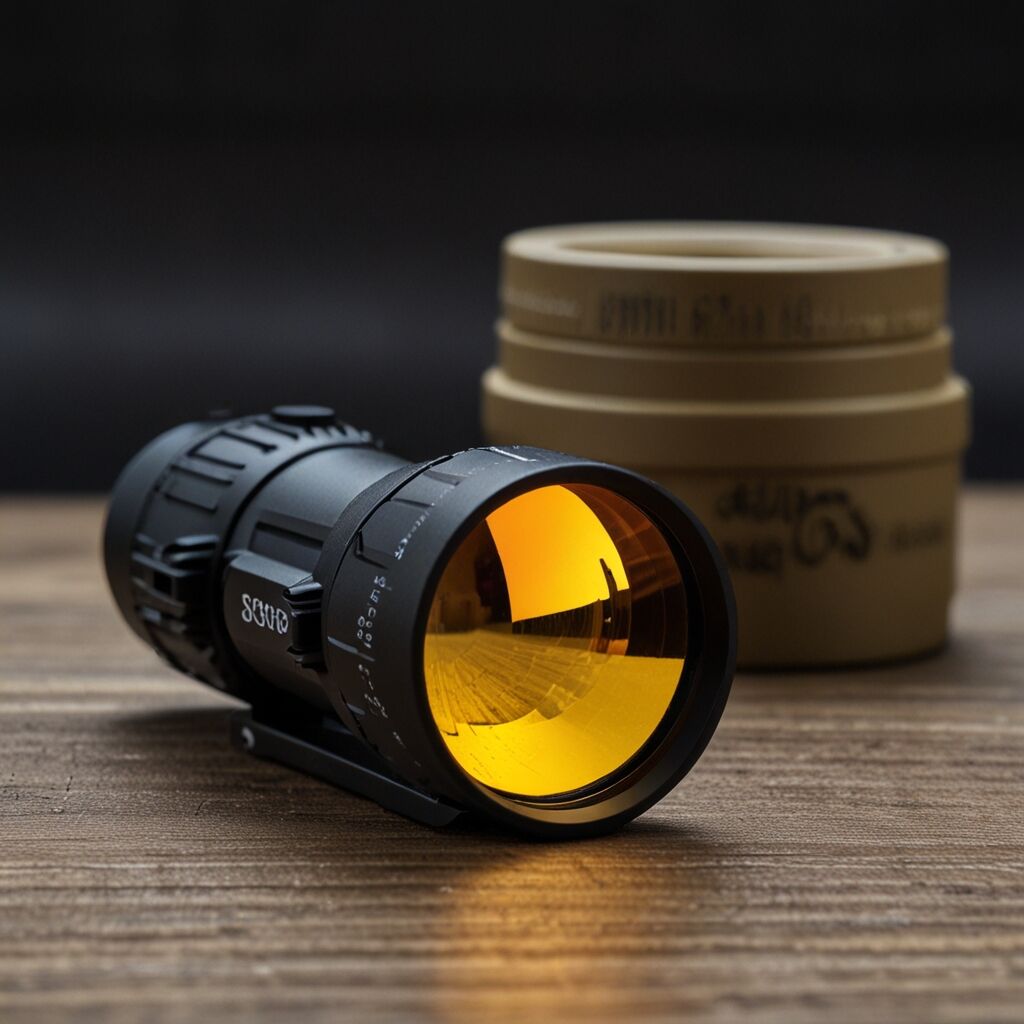
- Photographers use Sony cameras for night shots.
- People witness new wildlife behaviors.
- Biologists study species’ interactions after dark.
- Audiences enjoy exciting wildlife content.
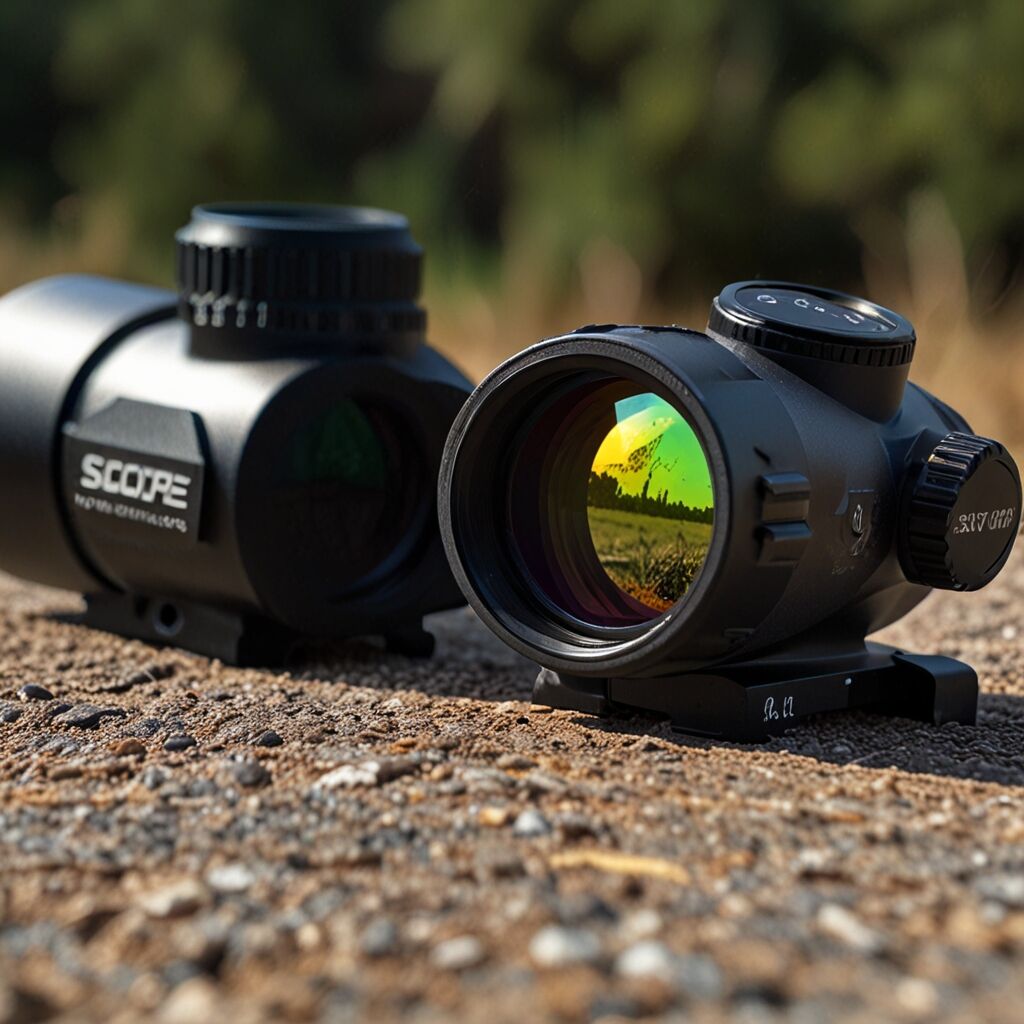
Comparative Analysis of Camera Models for Nocturnal Wildlife Photography
| Model | ISO Range | Sensor Size | Aperture | Battery Life | Price |
|---|---|---|---|---|---|
| CamX A1 | 100-6400 | Full Frame | F/2.8 | 800 shots | $1500 |
| WildCapture Pro | 200-12800 | APS-C | F/4 | 600 shots | $1200 |
| NightVision Z9 | 100-25600 | Full Frame | F/2.0 | 750 shots | $2000 |
| EcoSight X5 | 100-3200 | Micro Four Thirds | F/3.5 | 900 shots | $1000 |
| StealthCam 7 | 400-16000 | APS-C | F/3.2 | 700 shots | $1300 |
| NatureFocus R10 | 100-51200 | Full Frame | F/1.8 | 850 shots | $2500 |
Techniques to Improve Low Light Photograph Quality
Features such as large sensor sizes and effective noise reduction strategies make a camera optimal for low light wildlife photography. Cameras with larger sensors capture more light, improving image quality in night settings. Consider brands like Canon and Nikon, which offer excellent nocturnal photography options with built-in stabilization tools and good low-light performance. The top three cameras for capturing nighttime wildlife might include the Canon EOS R5 for its exposure bracketing capabilities, the Sony A7R IV’s long exposure technique, and the Nikon Z6 II known for its adjustable shutter speed and aperture settings. Experts recommend these models for their light pollution reduction abilities during low light capture.
Can Long Exposure Capture More Detail in Low Light?
Sensor types vary significantly in low light and impact how detailed nocturnal shots appear. Full-frame sensors are most effective in capturing clear nocturnal wildlife images due to their larger photoreceptors, allowing more light entry. CMOS sensors are generally superior to CCD sensors for nighttime photography because they handle long exposure benefits, such as exposure duration and noise reduction, better. Optimal pixel size for nighttime wildlife photography is generally between 5 and 7 micrometers for enhanced manual exposure settings and minimizing light trails while maximizing image clarity. To achieve artistic motion blur, photographers combine camera stabilization with careful photographic stops adjustments.
Balancing Technology and Wildlife Ethical Observations
Photographers ethically capture nocturnal wildlife images by minimizing disruption and respecting natural behavior. Ethical considerations include understanding the technological impact on wildlife conservation and preventing animal disturbance through ecosensitive practices. Balancing technology and animal disturbance is vital to maintaining ecosystems and preventing habitat interference, aligning with observational ethics. Brands like Leica promote ethical camera usage and support wildlife-friendly products worldwide to encourage responsible photography in natural environments.
Should Photographers Limit Flash Use in Wildlife Habitats?
Flash photography can lead to harmful effects on nocturnal animals, disrupting their natural behaviors. Excessive flash usage may alter wildlife behavior significantly, causing stress and interference with nightly routines. Minimal impact settings, such as reducing flash intensity and using red-eye reductions, least impact wildlife during capture. Photographers can use ethical visual capturing and determine appropriate flash usage based on environmental conditions and signs of animal stress, such as nocturnal disruption. Specialist advice from ethical brands like Pentax can inform photographers about responsible observational disturbance methods.

- Biologists observe over 100 species after 9 PM.
- Photographers use lenses with apertures like f/2.8.
- Researchers deploy cameras in at least 50 locations.
- Wildlife experts evaluate 200 hours of night footage.
- Animals stay hidden 60% of the time at night.
- Observation teams use 10 high-tech camera setups.
- Scientists track activity peaks between 10 PM and 2 AM.
- How Post-Processing Can Enhance Low Light Performance Results
- Exploring Low Light Performance in High School Theater Productions
- Low Light Performance: Are Expensive Cameras Really Worth It?
- How Marketing Hype Skews Low Light Performance Perceptions
- Enhancing Low Light Performance with External Camera Accessories
How Does Weather Affect Nighttime Wildlife Photography?
From my experience, clear skies and low wind speeds offer optimal weather conditions for capturing nocturnal wildlife. Moonlit nights enhance visibility, while overcast evenings, despite limits, help diffuse artificial light for balanced exposure. High humidity levels challenge photographic resilience by causing lens fogging, which obscures details; I often carry lens wipes. When planning shoots, weather forecasting tools save time and effort because they predict climate impact on trips. Cameras must have temperature adaptability features; cold weather can slow their low light compensation, affecting photo quality.
Is Cold Weather Beneficial for Nocturnal Wildlife Shoots?
Cold weather benefits include reduced digital noise in photos, enhancing clarity during night shoots. Cooler nights prompt a nocturnal activity increase among animals like owls and foxes, improving wildlife visibility. Nevertheless, up to 30% of camera batteries experience drainage due to cold; stored backups are crucial. To ensure gear protection methods, photographers must consider insulation cases and moisture-proof bags to maintain temperature resilience during winter operations.