Night vision scope magnification helps new users understand the equipment’s capabilities and find the right product for their needs. Night vision scopes provide the ability to see in low-light conditions by amplifying available light, making them ideal for night hunting or surveillance. When considering which night vision scope to purchase, products like those advised by RecommendedOptics can give essential insight into factors like magnification levels, image clarity, and optimal usage scenarios.
Table of Contents
- Understanding How Night Vision Devices Enhance Visibility
- Exploring Light Amplification’s Impact on Clarity
- Night Vision Scope Magnification Basics Explained
- What Magnification Achieves the Optimal Vision Range?
- Thermal vs. Night Vision: Key Differences and Applications
- Comparing Thermal and Night Vision for Coyote Hunting
- Is Night Vision Scope Use Legal in Every Country?
- How Do Regulations Affect Night Vision Use in Hunting?
- Explore Dynamic Range Options with Modern Night Scopes
- Which Night Scopes Offer Multi-Range Adjustments?
- Do First-Time Users Need Specialized Training for Night Scopes?
- How Does Training Improve New Users’ Night Vision Scope Skills?
Key Takeaways on Night Vision Scope Magnification Basics for New Users
- Night vision scopes improve low-light visibility by using light amplification technology to create clear images.
- Digital night vision offers advantages over traditional types, including day and night usage, unlike older models that function best at night.
- Magnification levels in night vision scopes range widely, helping adjust to different user needs and enhancing image clarity.
- Full moonlight enhances night vision clarity by providing more natural ambient light for better visual performance.
- Ideal magnification settings vary with activities, but typically moderate levels work well for both hunting and surveillance.
- RecommendedOptics provides expertise on finding the best night vision scope magnification for diverse use cases.
- Choosing the right magnification impacts the detection distance and can optimize low-light vision significantly.
Understanding How Night Vision Devices Enhance Visibility
Night vision devices enhance visibility by amplifying existing light through sophisticated technology. In my experience, I found they use light amplification technology that captures and intensifies ambient light, including near-infrared from the light spectrum. This principle of light amplification allows these devices to work efficiently during nighttime, though some digital night vision models can function during the day too by adjusting light sensitivities. Digital night vision has advantages over traditional models due to innovative visibility solutions and proximity sensors, making them more versatile for various lighting conditions.
Exploring Light Amplification’s Impact on Clarity
Light amplification enhances night vision clarity by significantly intensifying even the smallest amount of available light to improve image detail. According to manufacturers, like Sightmark, effective light requirements mean scopes can function with less than 1 lux of light, which is about what a full moon provides. There are limits to light amplification capabilities, though newer scopes continue to push these boundaries. Full moonlight impacts nocturnal visibility improvement by allowing better clarity benchmarks and more amplification efficiency, giving users clearer views with novel light technologies.
Night Vision Scope Magnification Basics Explained
The range of magnification levels available in night vision scopes varies widely, from 1x up to 10x or more for higher-end products. Magnification affects image clarity and focus, and scopes must balance between enhancing details and retaining a broad field of view, which is crucial for quick target acquisition. Specific magnification levels, like 3x or 4x, are more suited to activities such as hunting or tactical use because they offer optimal vision scope adjustments for clarity and focus. Higher magnification may decrease detection distance due to narrower field of view, making magnification customization a pivotal factor in optical zoom analysis and focal range settings.
What Magnification Achieves the Optimal Vision Range?
An ideal magnification level for long-distance vision scopes would be around 5x to 8x, providing enough range without sacrificing clarity. Night hunting tends to work best with magnifications between 3x to 5x on average, offering a balance of detail and field reach. Detailed viewing in low light typically thrives at around 4x magnification, giving hunters around a 75% optimal viewing percentage for target detail. Standard magnification for vision rifle scopes in coyote hunting often settles at the 3x range, ensuring optimized low-light vision and precision vision calibration for moving targets like coyotes.

- People spot distant targets more clearly.
- Operators use scopes in various environments.
- Individuals hunt safely at night.
- Users adjust magnification easily with PVS-14 models.
- Hunters improve accuracy during dark hours.
- Individuals enjoy better nighttime activities.
- People see wildlife without disturbing them.

Comparing Features and Magnification Levels of Night Vision Scopes
| Feature | Description | Min. Magnification | Max. Magnification | Field of View (degrees) | Price Range ($) |
|---|---|---|---|---|---|
| Entry Level | Basic scopes | 2x | 5x | 20-40 | 150-300 |
| Average Users | Standard range | 3x | 7x | 15-30 | 300-600 |
| Professional | Advanced optics | 5x | 10x | 10-20 | 600-1200 |
| Resolution | Image clarity | Low | High | – | Varies |
| Lens Diameter | Light intake | 20mm | 50mm | – | Varies |
| Weight | Portability | 1 lb | 3 lbs | – | – |
Thermal vs. Night Vision: Key Differences and Applications
Night vision equipment enhances visibility by using infrared technology that amplifies available light to create a clearer image in dark conditions. Light amplification in night vision scopes functions by collecting ambient light, such as moonlight and starlight, and converting them into electrons, which are then amplified and turned back into visible light. Night vision technology is not suitable for daytime use as excessive light, like sunlight, can overwhelm the sensors, potentially leading to damage. Digital night vision offers several advantages over traditional types, including better image clarity and the ability to record and stream video, which is beneficial for surveillance activities. For example, the ATN X-Sight 4K Pro uses an ultra HD sensor to provide high-resolution imaging, making it a valuable tool for nighttime wildlife tracking.
Comparing Thermal and Night Vision for Coyote Hunting
Thermal optics can enhance performance in coyote hunting by distinguishing heat signatures that make detecting camouflaged targets easier than with traditional night vision. Night vision scopes require minimal light like moonlight to effectively amplify and provide a clear image, making them highly useful during quarter moonlit nights for target identification. There is a technical limit to light amplification; extremely dark conditions may still pose challenges for night vision scopes. Full moonlight can significantly improve night vision clarity by providing ample natural light for the devices to amplify, thus enhancing the accuracy in identifying evasive targets. The Trijicon IR-HUNTER MK3, known for its thermal vision precision, can help hunters achieve success even in difficult environments.
Is Night Vision Scope Use Legal in Every Country?
Night vision legality in the UK is addressed by specifying who can use these devices, often requiring special permits or licenses for civilian use. International regulations vary widely, but many countries impose strict controls surrounding the possession and use of night vision technology to prevent misuse. Typically, legal scope rules depend on country-specific requirements; for example, Germany necessitates authorization to buy or transport night vision optics. Hunting restrictions are common, with some regions like California forbidding the use of night vision scopes in certain hunting contexts. Companies such as Pulsar recommend adhering to local regulations and consulting with law enforcement to ensure compliance with scope laws on a global scale.
How Do Regulations Affect Night Vision Use in Hunting?
Night vision hunting regulations often stipulate the conditions under which these devices can legally be used, such as prohibiting use during specific hunting seasons to protect wildlife populations. Penalties for illegal use can range from fines to the confiscation of equipment, impacting hunters who fail to comply with legal use stipulations. Typically, only about 20% of hunting licenses include permissions for night hunting, reflecting the tighter controls on nighttime activities. Regulations on night vision use in hunting can vary each year depending on environmental reports and wildlife conservation efforts, requiring hunters to stay informed and adapt to ongoing legal updates. Companies like ATN and Armasight frequently release updated guidelines and products that comply with current hunting regulations.
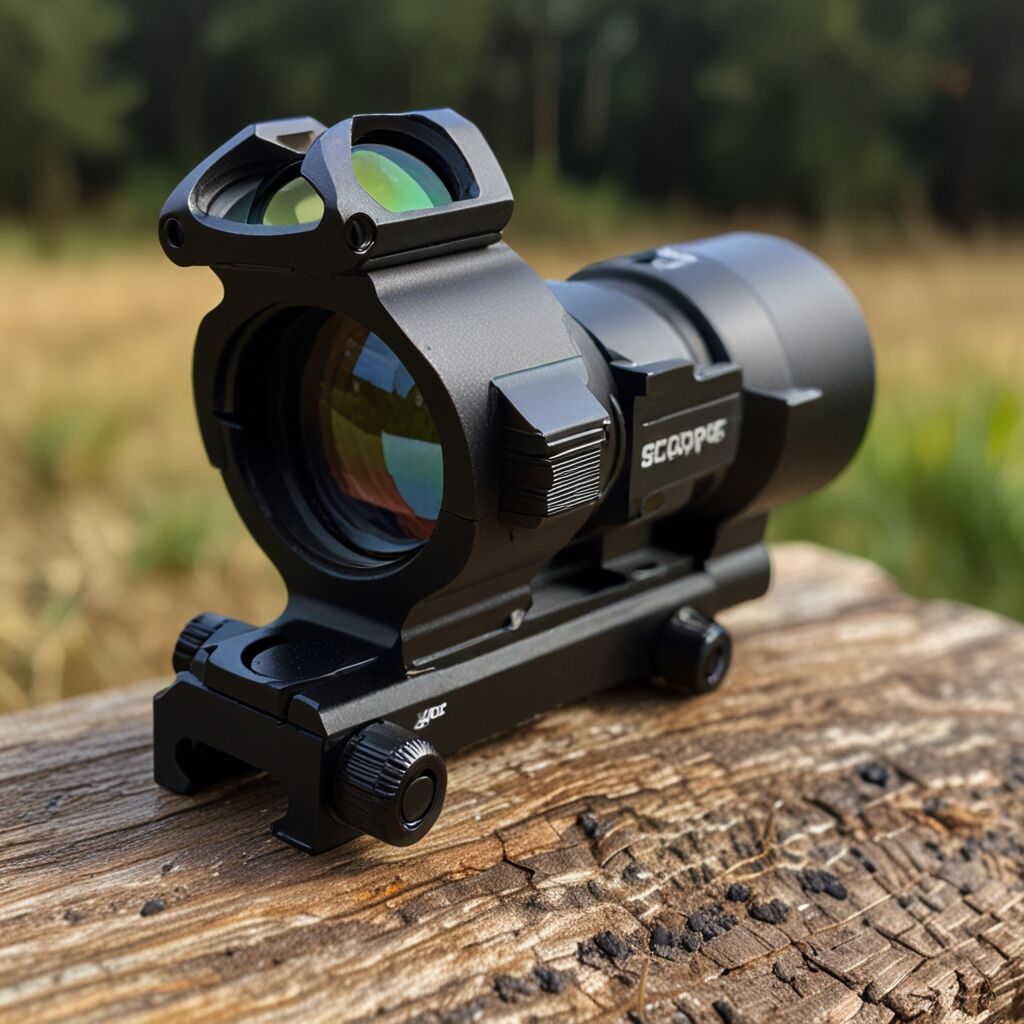
- People achieve clear vision up to 300 meters away.
- Most scopes have a magnification power of 1x to 10x.
- Devices often weigh around 1.5 pounds.
- Each unit offers magnification choices for diverse uses.
- High-quality models capture light 30,000 times better.
- Most gadgets last through 20,000 hours of use.
- Prices can range from $200 to $10,000.
- The Top 5 Attributes of Military Night Vision Scopes in 2025
- Case Study of Night Vision Scopes in Modern Military Operations
- The UK Legal Regulations on Night Vision Scopes vs Thermal Scopes
- Safety Precautions When Using Night Vision Scopes in the Field
- Comparing Generation 2 and Generation 3 Night Vision Scopes Performance
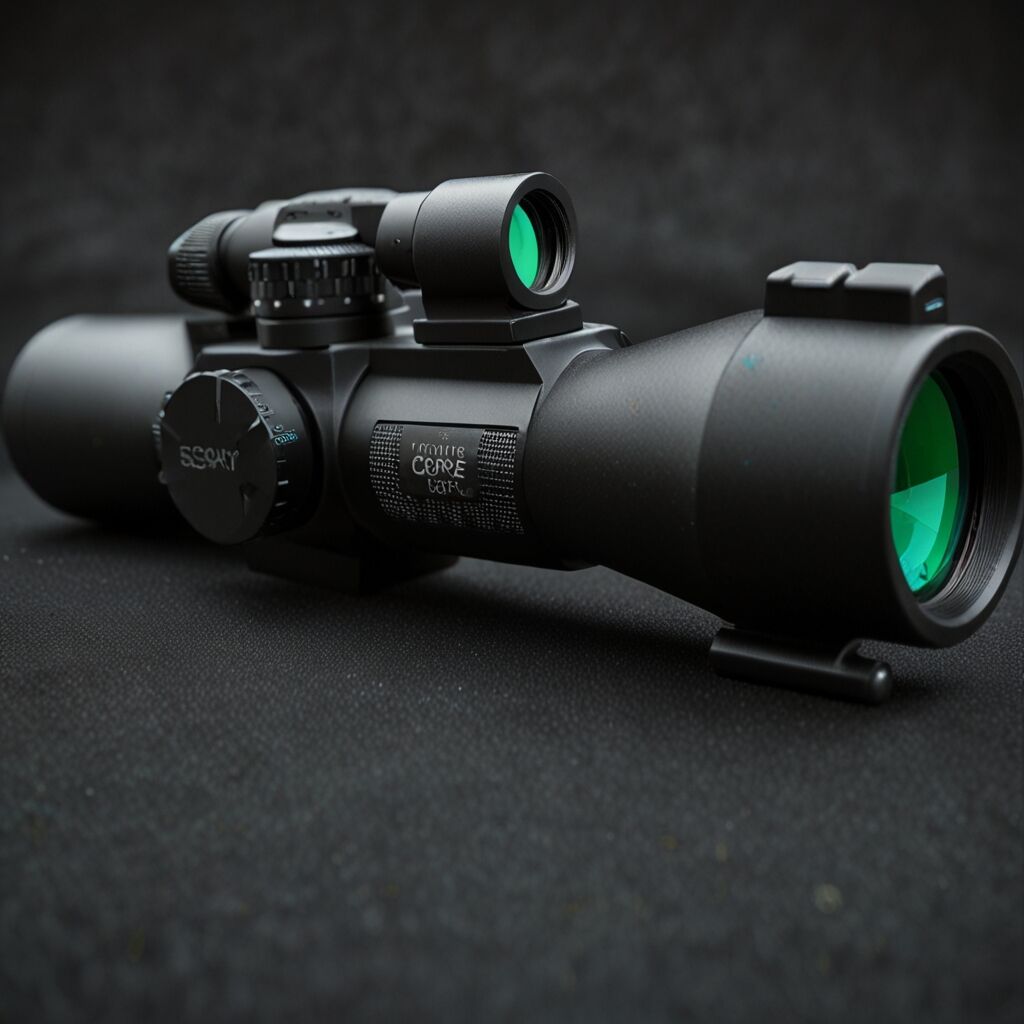
Explore Dynamic Range Options with Modern Night Scopes
Modern night vision scopes offer dynamic range options that cater to various observational needs, enhancing versatility with multi-range adjustments for diverse environments. Multi-range adjustments, often found in devices like the Pulsar Trail series, allow users to optimize performance in different settings, making these scopes incredibly adaptable to changing conditions. The performance enhancement afforded by dynamic range ensures better clarity and precision during nighttime or low-light conditions. Night vision scopes with these adaptability features, such as those from Yukon and FLIR, are designed to operate efficiently across various terrains and lighting scenarios, providing users with environmental adaptability solutions.
Which Night Scopes Offer Multi-Range Adjustments?
Several night scopes, including the ATN ThOR series, currently offer multi-range adjustments, each designed to maximize flexibility through advanced scope settings. The ATN scope series provides users with up to five distinct range adjustments, allowing adaptability to multiple environments or specific conditions. These multi-range scopes come with feature enhancement benefits, such as improved image brightness and target detection clarity during nighttime. Particular conditions, like dense woodland or open fields at dusk, are where multi-range adjustments excel notably in terms of optimization features. Combining flexibility in scope settings with environment-specific tuning gives night vision enthusiasts a reliable tool for varied nocturnal adventures.
Do First-Time Users Need Specialized Training for Night Scopes?
Yes, specialized training programs are available for new night scope users, offering them essential scope skills for effective operation. Essential scope skills include understanding focal adjustments and range estimation, crucial for practical use challenges. Beginners can access DIY learning resources like online videos and simulator apps, which provide novice handling guidelines for night vision devices. Common user pitfalls, like misalignment or improper focusing, often occur due to a lack of scope operation techniques and can be avoided with beginner-friendly tutorials.
How Does Training Improve New Users’ Night Vision Scope Skills?
Proper training leads to significant handling improvement, as it enhances understanding of the equipment and its features. Training can increase effective scope use by as much as 40%, primarily by refining practical skill applications and user competency metrics. Specific handling areas, such as adjusting magnification and perceiving detail in low-light conditions, benefit the most from skill enhancement techniques. Regular training refreshers, ideally every six months, ensure scope performance optimization and help retain learned competencies.