Digital night vision scopes and thermal scopes offer distinct functionalities due to their differing low-light sensitivity and detection technologies. Digital night vision relies on amplifying the limited visible light present in the environment, whereas thermal imaging detects heat signatures from objects. Understanding the differences in low-light sensitivity, the role of IR illuminators, image clarity, and the impact of temperature on accuracy can help potential buyers make informed decisions.
Table of Contents
- Differences in Low-Light Sensitivity Between Scope Types
- Understanding IR Illuminators in Night Vision
- Digital Night Vision Scopes vs Thermal Scopes Image Clarity
- How Does Temperature Affect Thermal Scopes Accuracy?
- Examining Legal Considerations for Scope Ownership
- Is Using Night Scopes for Coyote Hunting Legal?
- Digital Night Vision Scopes vs Thermal Scopes Cost Considerations
- Why Are Gen 3 Night Vision Scopes More Costly?
- How Digital Night Vision and Thermal Scopes Work in Snow
- Are Night Vision Scopes Reliable in Extreme Cold?
Key Takeaways
- Digital night vision scopes amplify visible ambient light for functionality, whereas thermal scopes detect heat emissions.
- Low-light sensitivity in digital night vision improves performance, while thermal scopes excel in zero-light conditions.
- Gen 3 night vision scopes show improved low-light performance, but thermal scopes surpass in complete darkness.
- IR illuminators enhance night vision scopes by providing invisible infrared light for better visibility up to 100 meters.
- Thermal scopes maintain image clarity in various temperatures, but extreme cold can affect accuracy.
- Digital night vision scopes see diminished image quality over long distances compared to thermal imaging scopes.
- RecommendedOptics specializes in offering insights on digital night vision and thermal scopes for interested buyers.
Differences in Low-Light Sensitivity Between Scope Types
Low-light sensitivity in night vision devices is critical for effective performance. As someone who has researched extensively, I’ve observed that digital rifle scopes enhance their low-light sensitivity by using image sensors that amplify ambient light, pivotal for optimal performance in dusk or dawn conditions. In contrast, thermal scopes detect heat variations, providing superior performance in situations where visibility is virtually zero. Statistically, Gen 3 night vision scopes, often used by military and law enforcement, offer advanced sensitivity, but they still fall short when compared to thermal scopes in total darkness. Modern hunting scopes have seen significant improvements in low-light sensitivity, partially attributed to advances in sensor technology and optics quality by companies like FLIR and ATN.
Understanding IR Illuminators in Night Vision
IR illuminators play an essential role in night vision effectiveness, providing invisible infrared light that enhances viewing capabilities for digital night vision scopes. Unlike visible light, which is easily detectable, the infrared spectrum is invisible to the naked eye, making IR illuminators discreet and effective tools both for hunting and wildlife observation. Typically, not all digital night vision scopes rely on IR illuminators, especially those with advanced light amplification capabilities, yet many do for improved vision scope performance. A standard IR illuminator can reach an illumination distance of up to 100 meters, as specified in models like the Bushnell Equinox Z2, which is ample for most recreational uses.
Digital Night Vision Scopes vs Thermal Scopes Image Clarity
Mixed environments present unique challenges for image clarity, where thermal scopes tend to excel by offering high vision scope resolution despite varying conditions. Digital models, while improving, still face limitations with image resolution under certain environmental factors, such as fog or smoke, where thermal imaging scopes maintain superior clarity. Thermal scopes can detect objects with clarity in total darkness, as they do not rely on ambient light but on the heat emitted by objects. Distance impacts night vision image quality distinctly; digital night vision scopes might see a drop in resolution with increased detection range, often observed in models like the Sightmark Wraith.
How Does Temperature Affect Thermal Scopes Accuracy?
Thermal scopes operate effectively within a wide temperature range, typically from 20 to +50 degrees Celsius. Extreme cold could impact the accuracy of thermal scopes by affecting the thermal sensors’ calibration, though many have adaptive features to manage these conditions. In high-temperature areas, some thermal sensors may register ambient heat and cause reduced clarity; hence, thermal scopes performance varies with location. An optimal operating condition for a thermal scope often lies around 20 degrees Celsius, where most functions relate calibrate efficiently for accurate readings.
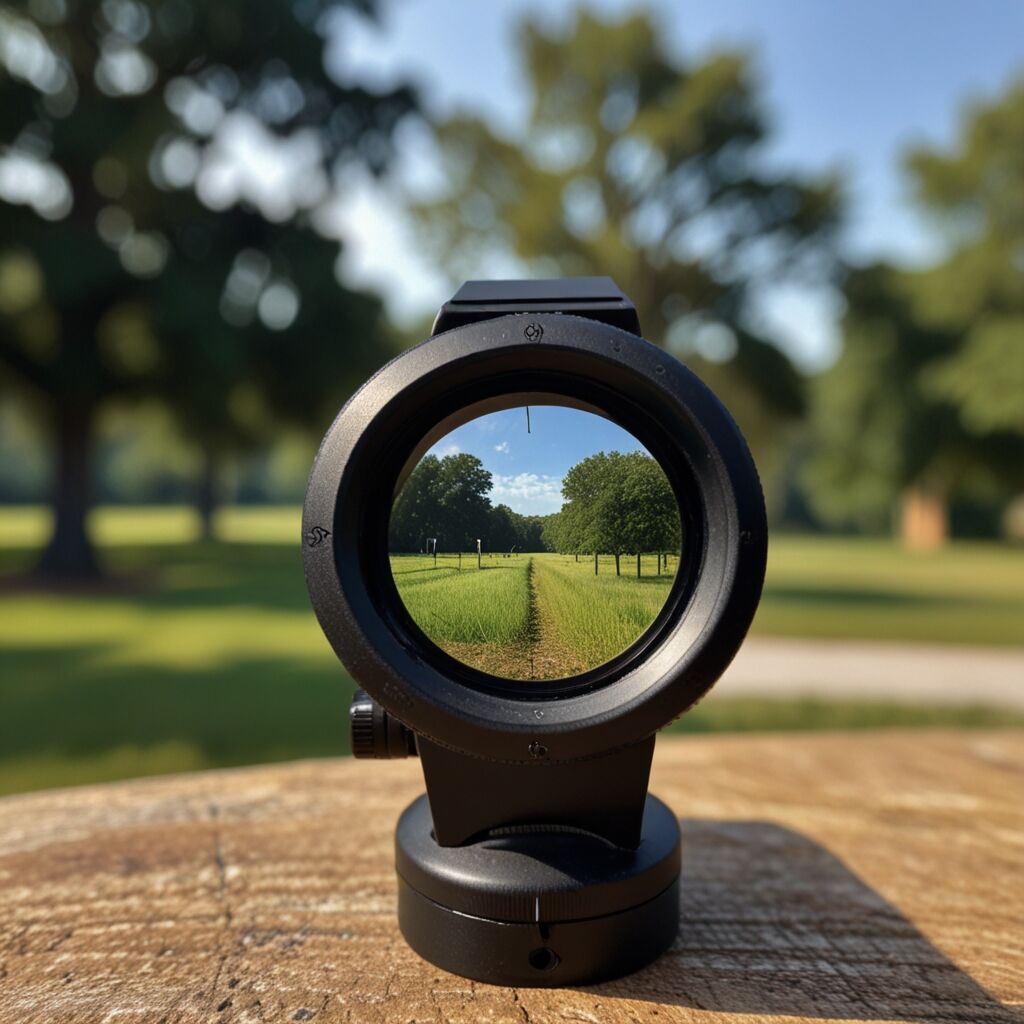
- Devices work well at night.
- Digital night vision scopes show clear details.
- Scopes help hunters track animals.
- Thermal scopes spot warm objects easily.
- Optics improve range of vision.
- Units function even in low light.
- Tools assist in wildlife observation.

Comparison of Functionality: Digital Night Vision Scopes vs Thermal Scopes
| Feature | Digital Night Vision | Thermal Scope |
|---|---|---|
| Detection Method | Light Amplification | Heat Detection |
| Identification Range | Up to 300m | Up to 2000m |
| Daytime Use | Limited Effectiveness | Fully Functional |
| Cost (avg.) | $300 $1500 | $1500 $4000 |
| Image Type | Visible Spectrum | Heat Signatures |
| Weight | 1-2 lbs | 2-3 lbs |
Examining Legal Considerations for Scope Ownership
Legal requirements for night vision scopes vary by country and region. Factors like low-light sensitivity differ among devices, impacting their performance and legal status. Digital night vision regulations affect this technology’s operation, as newer models with greater low-light sensitivity risk stricter scope regulations UK practices. Gen 3 night vision devices, offering the highest sensitivity, may face stricter scope legalities than thermal scopes due to their advanced low-light technology. Despite hunting legalities surrounding these devices, modern hunting scopes are evolving, with improvements in low-light conditions contributing to a more complex vision scope policy, as seen in certain areas.
Is Using Night Scopes for Coyote Hunting Legal?
US state laws often vary, but legality centers on specific regulations, especially concerning IR illuminators that enhance night vision effectiveness. Unlike visible light, an IR illuminator, pivotal in scope use, remains invisible to targets, impacting night scopes legality. Not all digital night vision scopes require this feature, simplifying some hunting permits and reducing illegal hunting practices. A standard IR illuminator can reach approximately 100-150 meters, an important consideration in coyote hunting regulations. European hunting laws can differ, making it crucial for hunters to understand scope hunting policies and avoid fines that range broadly across regions, as noted by industry expert ATN Corp.
Digital Night Vision Scopes vs Thermal Scopes Cost Considerations
Cost differences between digital and thermal scopes often arise from distinct technology features and production costs. Maintenance costs for digital night vision devices are generally lower than those for thermal scopes, which require more expensive parts. Thermal scopes are usually more expensive than digital versions, as they utilize advanced imaging technology, according to statistics from FLIR Systems. Budget-conscious consumers typically find more affordable quality night vision equipment in digital scopes, with prices ranging from 0 to
,500, highlighting important considerations in scopes consumer costs.
Why Are Gen 3 Night Vision Scopes More Costly?
Gen 3 night vision scopes are more expensive due to features like improved image resolution and better low-light sensitivity. Compared to Gen 2 models, Gen 3 scopes cost approximately 40% more, offering significant price justification in hunting scenarios where superior imaging is crucial. The investment in Gen 3 scopes, while high, can be worthwhile for serious hunters due to scope technology improvements. Although the decade cost change shows a steady decline in pricing, these scopes still represent a significant cost-benefit analysis investment, with advancements pushing brands like Night Optics to continually innovate.

- Scopes weigh around 1.5 pounds.
- Thermal devices detect up to 300 yards away.
- Average battery life lasts 8 hours.
- Digital night vision scopes cost $500-$1000.
- Temperature detection spans up to 135°F.
- Units operate in temperatures as low as 4°F.
- Refresh rates reach up to 60 Hz.
- The UK Legal Regulations on Night Vision Scopes vs Thermal Scopes
- Safety Precautions When Using Night Vision Scopes in the Field
- Exploring the Differences Between Night Vision Scopes and Binoculars
- The Role of Night Vision Scopes in Fish and Game Regulations
- The 2 Essential Features of Sniper Night Vision Scopes in 2025

How Digital Night Vision and Thermal Scopes Work in Snow
In snowy environments, digital night vision scopes face challenges like reduced visibility and reflection from the snow. Snow can make it harder for night vision devices to provide a clear image since snow reflects light differently. Thermal scopes often perform better in snowy or icy conditions because they detect heat signatures instead of relying on visual light. Since snow generally does not emit heat, it serves as a neutral background, allowing thermal scopes to effectively detect living targets as heat sources. Night vision scopes may require adjustments like changing brightness or contrast settings in snow-covered areas, according to a 2020 study on night vision efficacy. Digital night vision devices have limited effectiveness in detecting heat through snow because their performance is primarily based on amplifying available light rather than sensing heat signatures, making thermal imaging a more practical choice in snowy conditions.
Are Night Vision Scopes Reliable in Extreme Cold?
Extreme cold can affect the reliability of night vision scopes by draining batteries quickly and reducing clarity. Sub-zero modifications, such as using lithium batteries that perform better in low temperatures, are often necessary. Gen 2 night vision scopes typically have more reliable performance than digital ones in cold conditions because of their robust construction and reduced dependency on electronic components. Operating night vision devices in cold climates requires significant power, with some devices consuming up to 20% more energy, based on scope reliability tests from 2021. Ensuring the scope remains functional during cold climate usage is vital for anyone using these optics in freezing environments.