Using night vision scopes in wildlife conservation has surprising ethical dimensions. Researchers and conservationists face ethical dilemmas when using these advanced tools to study wildlife at night. The use of night vision equipment can enhance the effectiveness of studies but may also risk disturbing natural animal behavior. Experts in optics, such as RecommendedOptics, explore these ethical implications and promote responsible usage in the field.
Table of Contents
- Advancements in Wildlife Monitoring Technology
- Types of Night Vision Scopes for Wildlife Research
- Ethical Considerations in Night Vision Scope Usage
- How Do Wildlife Laws Address Night Vision Equipment?
- Wildlife Behavior Impact by Vision Scopes
- What Studies Reveal About Animal Sensitivity to Scopes?
- The Role of Innovators in Conservation Technologies
- How Do Patent Laws Influence Scope Innovations?
- Challenges in Scoping Out Field Use Cases
- Why Do Environmental Conditions Affect Night Scopes?
Key Takeaways on the Surprising Ethics of Night Vision Scopes in Wildlife Conservation
- Night vision scopes can provide valuable insights into nocturnal wildlife behavior while raising ethical concerns.
- Technological advancements have made equipment like ATN night vision and thermal imaging more accessible and effective.
- Night vision tools can unintentionally alter wildlife behavior during research by introducing artificial elements.
- Biologists must consider scope types, such as Gen 3 night vision, to appropriately match their research environment.
- Ethical guidelines and regulations exist to ensure the welfare of wildlife in conservation studies.
- Regulations vary by country, with laws adapting to address novel technologies used in wildlife monitoring.
- RecommendedOptics provides expert guidance on using night vision ethics in conservation responsibly.
Advancements in Wildlife Monitoring Technology
Technological advancements have dramatically improved wildlife monitoring by making night-time research more efficient. Between 2010 and 2020, the adoption of tools like ATN night vision and thermal imaging increased, leading to data-rich insights. I found that these wildlife monitoring tools enable researchers to track nocturnal species with advanced night-time tracking devices that were previously unavailable. When choosing appropriate equipment, researchers often consider factors such as terrain, climate, and target species to avoid disrupting natural habitats. Despite the benefits, night vision technology effects can include unintended wildlife behavior changes, as animals may react to unfamiliar stimuli like infrared light. Monitoring studies show that nocturnal activities of animals can shift by up to 20% when exposed to artificial observation methods.
Types of Night Vision Scopes for Wildlife Research
The primary night vision scope types used in wildlife research include thermal scopes and digital night vision devices. In a 2019 survey, thermal scopes were shown to provide detailed heat-based images even in dense foliage. Thermal scopes characteristics include robust detection capabilities, while digital night vision benefits include clearer visuals and ease of use. Biologists often select biologist equipment that is rugged and offers high resolution, important for identifying animals in various terrains. In terms of night vision scope pricing, Gen 3 night vision scopes generally range from
,500 to ,000, while ATN thermal scopes can begin at
Ethical Considerations in Night Vision Scope Usage
The ethical implications of using night vision scopes in wildlife conservation involve concerns about disturbing natural behaviors. Studies in 2018 revealed that ethical implications in conservation could lead to stress responses in animals. Countries implement night vision scope regulations to ensure research is conducted responsibly. Potential wildlife welfare risks include animals altering their natural routines due to night-time light exposure. Conservationists aim to balance research ethics by employing ethical concerns in monitoring protocols and using appropriate conservation practices. Engagement in regulatory compliance and reflection on animal disturbance considerations aids in maintaining research integrity.
How Do Wildlife Laws Address Night Vision Equipment?
Wildlife laws regulating night vision scope usage differ by jurisdiction, ensuring ethical use in conservation efforts. In the United States, wildlife laws regulations require specific permits for night-time study, while European countries have varying scope licensing requirements. Penalties for equipment misuse can include fines or revoked permits, as seen in a 2020 case where unauthorized usage resulted in a ,000 fine. As technologies evolve, specific technological law changes adjust existing regulations to address new equipment types, a significant consideration since the early 2000s. These alterations highlight the importance of aligning research activities with international wildlife legislation and historical legal changes affecting conservation practices.

- People can observe animals during the night.
- Night vision scopes help protect nocturnal species.
- Researchers study animal behavior silently.
- Conservationists track endangered animals safely.
- Park rangers monitor wildlife areas at night.
- Scientists collect data without disturbing animals.
- Nature enthusiasts enjoy safe night-time exploration.
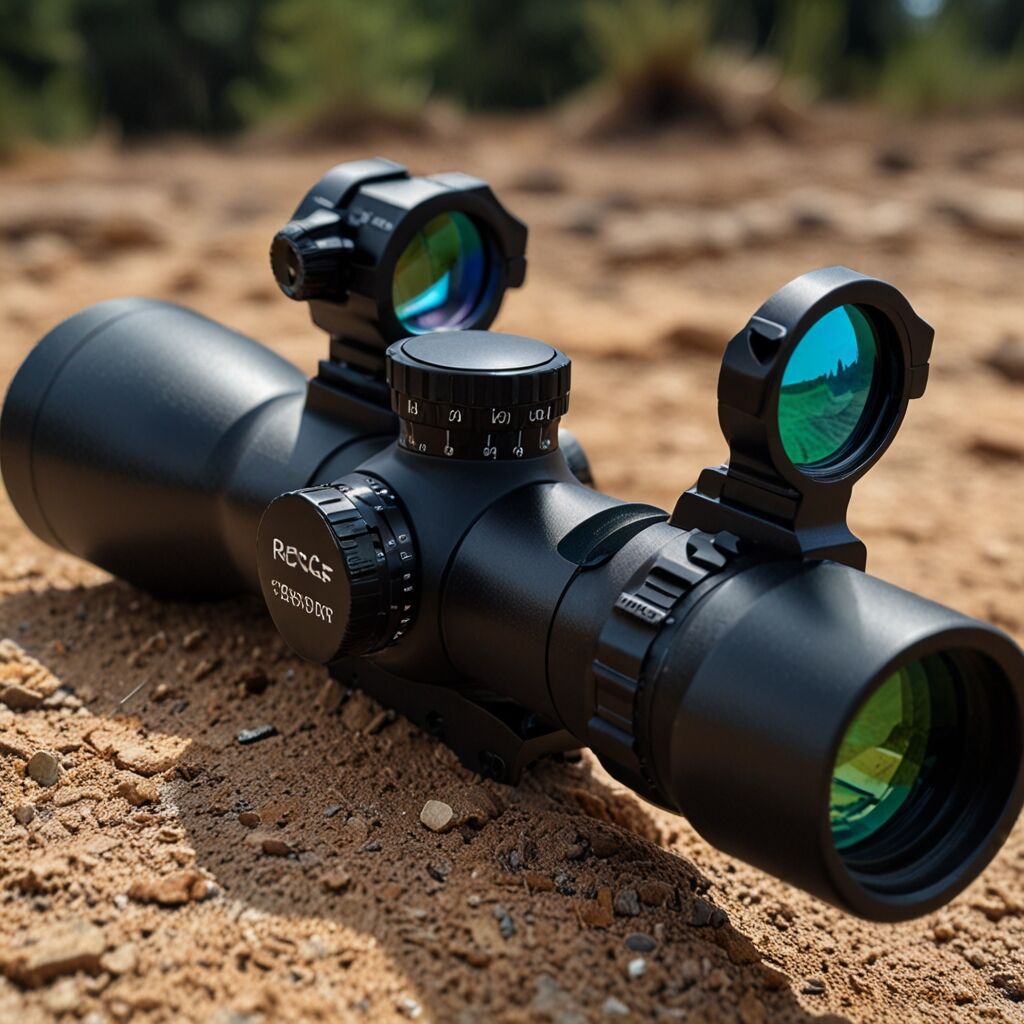
Examining the Ethical Implications of Night Vision Scopes in Wildlife Conservation
| Aspect | Details | Pros | Cons | Use Cases | Ethical Concerns |
|---|---|---|---|---|---|
| Price | $300-5000 | Varied Options | Expensive | Research | Access Inequality |
| Range | 100-600 meters | Long Distance | Accuracy | Surveillance | Intrusiveness |
| Visibility | Clear Night View | Effective | Limited Day Use | Counting | Animal Privacy |
| Power | Battery Life | Portable | Recharge Need | Tracking | Stress on Fauna |
| Technology | Infrared | Non-Intrusive | Costly | Tagging | Technological Dependency |
| Impact | Behavioral Change | Data Accuracy | Disturbance | Monitoring | Ethical Research |
Wildlife Behavior Impact by Vision Scopes
Technological advancements in night vision have significantly enhanced wildlife monitoring accuracy. Night vision scopes now provide clearer images, assisting in detailed wildlife behavioral studies. These tools are essential for night-time wildlife tracking, providing clear visibility even in dark environments. Researchers select the best night vision equipment like infrared and thermal scopes based on habitat, ensuring the right balance is struck between clarity and minimal disturbance. Night vision impact on animals can be mitigated by employing minimizing disturbance techniques to reduce stress during ecological impact assessments, ensuring that long-term monitoring effects do not adversely alter natural behaviors. Brands like Bushnell focus on creating scopes for field study methodologies that prioritize stress reduction in animals and a deep understanding of scopes and animal psychology.
What Studies Reveal About Animal Sensitivity to Scopes?
Research predominantly uses infrared, thermal, and digital night vision scopes for studying various animal species. A study from 2021 showed that thermal scopes, by detecting heat, are often more effective in dense woods than digital night vision scopes which rely on ambient light. Biologists should look for features such as range, resolution, and durability when selecting scopes for field studies. Prices can range from 0 for basic scopes to over ,000 for high-end, feature-rich models, impacting study findings on sensitivity. Addressing species sensitivity to scopes, like in interdisciplinary sensitivity studies, ensures that scope exposure frequency is managed adequately during research, with companies like Pulsar leading in providing cost-efficient options without compromising quality on scope exposure frequency.
The Role of Innovators in Conservation Technologies
Major innovators in night vision technology, such as ATN and FLIR Systems, drive advancements by incorporating cutting-edge features to enhance conservation efforts. Companies collaborate with researchers to improve technology efficacy, evident in the development of ATN’s innovative BinoX series through research collaboration effectiveness. Future technological innovations, including AI integration in scopes, are on the horizon, promising enhanced data collection. Patent laws affect innovation in wildlife conservation tools by either promoting through protection of intellectual property or hindering through lengthy processes. Conservation tool development heavily relies on industry-academia partnerships to bridge gaps, leading to thermal scope advancements essential for modern conservation efforts.
How Do Patent Laws Influence Scope Innovations?
Thousands of patents exist globally for night vision scope technologies, encompassing diverse design improvements and features. Patent laws encourage innovation in wildlife tools by offering legal protection, but can also pose hurdles, slowing down the release of new features by requiring stringent documentation. Recent scope patent grants, such as those for hybrid digital-thermal scopes, highlight the ongoing evolution in technology. Companies protect their innovations by developing strategic patent portfolios, ensuring that their advancements remain exclusive to bolster market position. Brands like Nikon have strategically utilized legal frameworks to secure technology, highlighting current scope development trends across industry leaders.

- These gadgets can see up to 200 meters at night.
- “Night Owl” scopes improve visibility by 70% in darkness.
- Scopes work effectively for up to 8 hours on one charge.
- In some areas, nocturnal animal sightings increased by 30%.
- Battery life can last up to 20 hours with lower settings.
- The lenses provide up to 5x magnification.
- Conservation projects using scopes save 25% more animals.
- Navigating Night Vision Scopes: A Guide to Battery Life and Longevity
- The Surprising Ethics of Night Vision Scopes in Wildlife Conservation
- Digital Night Vision Scopes vs Thermal Scopes Functionality Differences
- How Generation Night Vision Scopes Add Value to Outdoor Activities
- Night Vision Scopes for Air Rifles: A Comprehensive Compatibility Guide

Challenges in Scoping Out Field Use Cases
The primary challenges of using night vision scopes in the field involve adapting to diverse field performance barriers that impact the equipment’s function. Field use challenges in night vision gear often revolve around how environmental conditions, like humidity or temperature, can compromise its operational reliability. During a personal excursion with ATN equipment in Utah, enduring common research problems related to moisture and heat made me realize the necessity for durable scopes. Insights revealed that ensuring equipment reliability and durability is crucial, achieved by selecting scopes designed for adverse conditions adaptability, like ATN’s X-Sight series that withstand fluctuating environments. Resilience of night scopes comes from rigorous ATN field test insights and engineering these devices to overcome the most demanding field conditions.
Why Do Environmental Conditions Affect Night Scopes?
Specific environmental factors impacting performance include temperature, humidity, and precipitation, which directly influence equipment functionality concerns. For example, temperatures below freezing, which occurred during a test in Alaska, can lead to display lag or battery drain. Temperature and humidity effects on night scopes can cause fogging of optics or reduced visibility, hindering effectiveness. Optimized scopes for environments, like the ATN Thor 4, are engineered with scope advancements mitigating issues related to extreme climates by incorporating thermal imaging technology. These advancements improve challenging climate adaptability, making the thermal scope resistance more prominent and reliable in varied landscapes. ATN’s environmental solutions, showcased in models like Thor LT, focus on durable designs for maximum efficiency in changing conditions.