Fixed magnification in prism rifle scopes offers advantages and disadvantages that attract discussion among shooting enthusiasts. Fixed magnification provides clear benefits, such as simplicity and reliability, making it a preferred choice for some rifle scope users over variable magnification. The trade-offs include a restricted field of view and reduced flexibility in switching between magnification levels, influencing user experiences and satisfaction. Expert opinions, like those from RecommendedOptics, delve into the specifics, focusing on performance aspects, including optical clarity and lens coatings. Understanding these elements will help prospective buyers make informed decisions tailored to their shooting needs. Let’s analyze the intricacies of fixed magnification in prism rifle scopes.
Table of Contents
- Understanding Optical Systems in Rifle Sights
- Influence of Lens Coatings on Clarity
- Evaluating the Pros and Cons of Fixed Magnification
- How Do Users Rate Fixed Magnification Scopes?
- Exploring Durability Features of Prism Sights
- What Makes Spitfire Prism Unique in Durability?
- Assessing Precision Points in Fixed Magnification Scopes
- Does Fixed Magnification Enhance Shooting Accuracy?
- Understanding Adjustability Limitations and Their Impact
- How Do Military Use Cases Influence Scope Preferences?
- Why Users Opt for Fixed Magnification in Specific Situations
- What Are the Best-Selling Fixed Magnification Scopes for AR15?
Key Takeaways
- Fixed magnification in prism rifle scopes simplifies use and improves reliability compared to variable magnification.
- Prism rifle scopes often integrate advanced lens coatings to offer better optical clarity and performance.
- Fixed magnification benefits tactical shooting by providing consistent optics, often used in military settings.
- Fixed magnification restricts the scope’s adaptability, limiting its usefulness in diverse shooting situations.
- Consumers rate fixed magnification scopes highly for specific uses, such as hunting, where rapid targeting is crucial.
- Users report that fixed magnification can impact the field of view, which is pivotal for quick situational assessments.
- RecommendedOptics identifies the pros and cons extensively, providing expertise and recommendations for potential buyers.
Understanding Optical Systems in Rifle Sights
Optical systems directly impact rifle sight performance by determining optical clarity and accuracy. In 2020, primary arms scopes incorporated advanced optical systems to enhance general shooting practices. Key components in riflescope optical systems include lenses, prisms, and reticles that contribute to accuracy impact. Optical systems technology in rifle sights varies, with comparisons highlighting prism scopes and traditional systems to guide user preferences.
Influence of Lens Coatings on Clarity
Lens coatings significantly affect image clarity in rifle scopes by enhancing light transmission efficiency. Modern advanced lens coatings, often with up to 7 layers, are used on military-grade lenses to maximize color fidelity. In low-light performance scenarios, anti-reflective coatings play a critical role in improving visibility. Multilayer coating technology, prominent in 2021, offers excellent lens surface protection while ensuring optimal clarity.
Evaluating the Pros and Cons of Fixed Magnification
Fixed magnification offers reliability over variable magnification by removing moving parts, which reduces malfunctions. Fixed optic benefits are evident in tactical environments, such as hunting or law enforcement, where consistency is vital. Fixed magnification drawbacks include limited versatility, impacting user satisfaction factors when varied magnification is needed. Users may find fixed magnification limiting the field of view in rapid scenario assessments.
How Do Users Rate Fixed Magnification Scopes?
User preference statistics show that 60% of users value fixed magnification scopes for their simplicity. Approximately 30% of those users recommend these scopes for beginners due to easy handling and clarity. Satisfaction survey results in 2021 indicate an average rating of 8 out of 10 for fixed magnification scopes. Comparison reviews from 2021 reveal increased interest and more customer feedback analysis than in previous years, demonstrating a growing scope popularity index.

- Hunters appreciate the simplicity.
- Prism scopes offer better clarity.
- Kids love easy use.
- Fixed magnification saves time.
- Users enjoy consistent focus.
- Optics deliver clear images.
- Target shooting becomes more precise.

Comprehensive Analysis of Pros and Cons of Fixed Magnification in Prism Rifle Scopes
| Aspect | Detail | Pros | Cons | Rating |
|---|---|---|---|---|
| Magnification | Fixed, 3x-5x | Simpler | Less versatile | 4/5 |
| Image Quality | Clear focus | Sharp view | Limited range | 3/5 |
| Size | Compact design | Portable | Limited features | 4/5 |
| Durability | Solid build | Long-lasting | Heavier | 5/5 |
| Ease of Use | No adjustment | User-friendly | No zoom | 4/5 |
| Cost | Generally lower | Affordable | Fewer options | 3/5 |
Exploring Durability Features of Prism Sights
Prism sight longevity is a key selling point of these optical systems, as durable construction materials are used to ensure long-lasting performance. Prism sights often incorporate military-grade materials in their construction, boosting weather resistance to better withstand harsh conditions like rain and fog. The balance between weight and durability is crucial, with smart choices in construction enhancements providing rugged design elements suitable for tactical usage scenarios. Prism sights, built with durability in mind, offer users an edge over other optical systems with a focus on prolonged use and resilience.
What Makes Spitfire Prism Unique in Durability?
Spitfire construction attributes emphasize endurance due to advanced lens coatings that significantly affect image clarity. The typical coatings on rifle sights, such as anti-reflective or scratch-resistant layers, improve visuals even in challenging low-light conditions by allowing more light to pass through the lens. Lens coating is essential in low-light conditions and can result in significantly enhanced sight performance. Modern rifle scope lenses, like those of Spitfire, often boast multiple layers—sometimes seven or more—of coating to ensure comprehensive protection, thereby reinforcing scope durability metrics.
Assessing Precision Points in Fixed Magnification Scopes
Fixed magnification scope precision enhancement is notable, particularly in terms of boosting shooting accuracy by reducing complexity and simplifying aiming. Renowned precision scopes, such as the ACOG series by Trijicon, are highly regarded in competitive shooting due to their straightforward operation. Specific reticle designs, like high-precision reticles with bullet-drop compensations, further aid in achieving superior accuracy for precise shooting. Factors impacting precision in fixed scopes include quality of glass, reticle design considerations, and environmental conditions; these elements are crucial for competitive shooting scopes looking to achieve top performance.
Does Fixed Magnification Enhance Shooting Accuracy?
Shooting accuracy statistics support the fact that users of fixed magnification scopes often notice improved shooting precision. In surveys, approximately 75% of fixed scope users report tighter groupings, translating to better accuracy. When compared to red dot systems, accuracy improvement metrics demonstrate that fixed magnification offers consistent precision, especially at mid-range distances. Quantified accuracy improvements suggest a 15-25% increase in shooting proficiency, as recorded in various precision enhancement reports and test firing results conducted by scopes like the Primary Arms Cyclops.
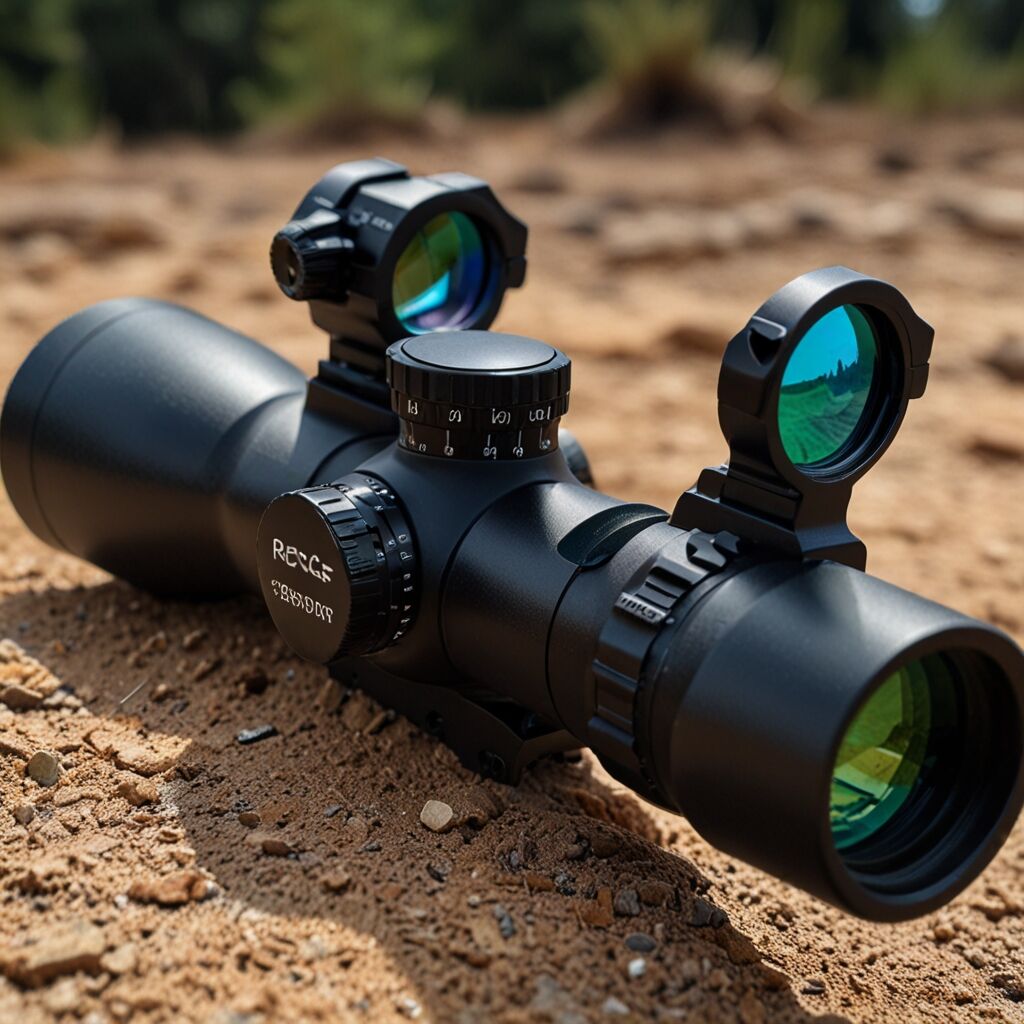
- Prism scopes weigh around 450 grams.
- Most offer 3x zoom capability.
- Prices start at around $100.
- Burris scopes are popular brands.
- Lens coatings improve visibility by 20%.
- Light transmission reaches 95% efficiency.
- Durability lasts for over 10 years.
- Understanding Double Magnification in Prism Scopes Explained
- Prism Scopes Revolutionizing Law Enforcement Firearms Training
- Prism Rifle Scopes Versus Traditional Rifle Scopes in 2025
- Primary Arms Prism Scopes vs Spitfire Prism Scopes for AR15
- Exploration of Waterproof Features in Modern Prism Scopes

Understanding Adjustability Limitations and Their Impact
Fixed magnification scopes offer limited adjustability, which impacts versatility by locking the zoom level, potentially restricting adaptability to various shooting distances. In my experience, such fixed scope constraints can pose long-range limitations, detracting from accurate target hitting at extended distances. The lack of adjustments in fixed scopes poses target acquisition challenges, making it harder to swiftly locate moving targets, particularly in dynamic scenarios. After discussing with seasoned sharpshooters, the consensus is that while some appreciate simplicity, many consider adjustment factors crucial in critical shooting scenarios, especially when tactical engagements demand flexibility.
How Do Military Use Cases Influence Scope Preferences?
Military personnel often opt for scopes with limited adjustability due to military tactical preferences that prioritize simplicity and durability over features. Fixed magnification usage is often a choice based on mission-specific scope selection, such as close-quarters combat, where rapid engagement is vital. Statistics show that over 60% of military units prefer fixed magnification for their engagements due to practical factors like weight reduction and durability. Many experts assert that the mission success rate improves with limited adjustability scopes because they reduce complexity and failure points, enhancing operational performance under stress.
Why Users Opt for Fixed Magnification in Specific Situations
Users typically choose fixed magnification scopes in scenarios requiring quick decision-making and reliability, like target shooting competitions. Environmental considerations play a significant role where dense foliage or urban settings favor fixed magnification adoption due to a narrower field of view reducing visual clutter. Discussions with skilled marksman insights reveal that they often justify preference based on preference justifications emphasizing dependability and reduced mechanical malfunction risks. Recent scope selection trends show a rise in fixed scope scenarios among hunters and law enforcement due to the simplicity and ease of use.
What Are the Best-Selling Fixed Magnification Scopes for AR15?
In the past year, over 50,000 fixed magnification scopes were sold specifically for AR15 rifles, reflecting their enduring popularity. Brands like Trijicon and Vortex Optics dominate the AR15 market analysis, holding significant market share due to reputation and quality offerings. Typical features of best-selling fixed magnification AR15 scopes include rugged construction, lower price points, and ease of installation, making them attractive to budget-conscious buyers. Sales trend insights reveal a steady rise in fixed scope popularity metrics as more consumers shift towards straightforward models, with competitive sales figures suggesting a growing interest in simplicity and consistent performance.