Selecting the right red dot sights for your pistol involves considering compatibility with the firearm and alignment with shooting needs. Gun enthusiasts searching for red dot sights should focus on key factors such as lens quality, compatibility, and the optics’ impact on accuracy. Personalized insights into popular brands, shooting accuracy improvements, and practical advice for measuring your pistol enhance the decision-making process. Ensuring the balance and handling effects of optics are suitable for your specific skill level can significantly improve shooting performance. Recommendations from experts like RecommendedOptics can also guide you in making an informed choice.
Table of Contents
- Explore Pistol Optics for Better Accuracy
- Understanding Lens Quality in Pistol Optics
- Selecting Red Dot Sights That Fit Your Gun
- How Accurate Are Red Dot Sights on Pistols?
- Pistol Sight Selection Using Uncommon Brands
- How Do Rare Brands Compare in Pistol Sight Durability?
- Advantages of Red Dot Sights for Concealed Carry
- How Do Red Dot Sights Perform in Low-Light Conditions?
- What Are Legal Considerations for Pistol Red Dots?
- How Many States Regulate Red Dot Sights on Handguns?
Key Takeaways
- Understanding pistol optics helps shooters enhance accuracy compared to traditional iron sights.
- Brands like Trijicon, Vortex, and Leupold are known for advanced pistol optics.
- High-quality lenses in optics offer better aiming precision and improved shot accuracy.
- Compatibility of red dot sights with pistols depends on model-specific factors and measurements.
- Pistol-mounted red dot sights provide varying accuracy ranges for different target types.
- Expert advice from RecommendedOptics simplifies the selection process for optics that fit your pistol.
- Consider the dimensions and weight of red dot sights to ensure comfortable handling.
Explore Pistol Optics for Better Accuracy
Pistol optics offer a significant advantage over traditional iron sights by incorporating enhanced technology for better targeting. Iron sights limit visibility, but optics improve accuracy regardless of skill levels. Popular brands like Trijicon, Vortex, and Leupold are renowned for their innovative optics. These optics may alter the pistol’s balance and handling slightly but provide a substantial improvement in shot placement.
Understanding Lens Quality in Pistol Optics
Lens quality immensely affects aiming precision as it determines clarity and light transmission. High-quality lenses in pistol optics feature multi-coatings that improve light gathering and reduce glare. Optic brands like Holosun and Aimpoint are known for offering superior lens quality. Coating impact on lenses significantly enhances durability, ensuring long-lasting performance under various conditions.
Selecting Red Dot Sights That Fit Your Gun
Red dot sights compatibility depends greatly on a specific pistol model and may require mounting solutions. Measuring for the correct sight fit involves assessing dimensions like the slide width and rail length. Compatibility factors include the slide cut design and mounting plate availability. The dimensions and weight of red dot sights can affect sight usability, with heavier sights possibly impacting balance.
How Accurate Are Red Dot Sights on Pistols?
Red dot sights generally offer improved accuracy compared to iron sights, with quicker target acquisition. Accuracy factors include sight alignment, dot size, and shooter proficiency, which can influence shot placement. Pistol-mounted accuracy typically varies between 1 to 6 MOA (minutes of angle), depending on distance. Target type, whether stationary or moving, affects red dot sights’ accuracy, necessitating adjustments for optimal performance.
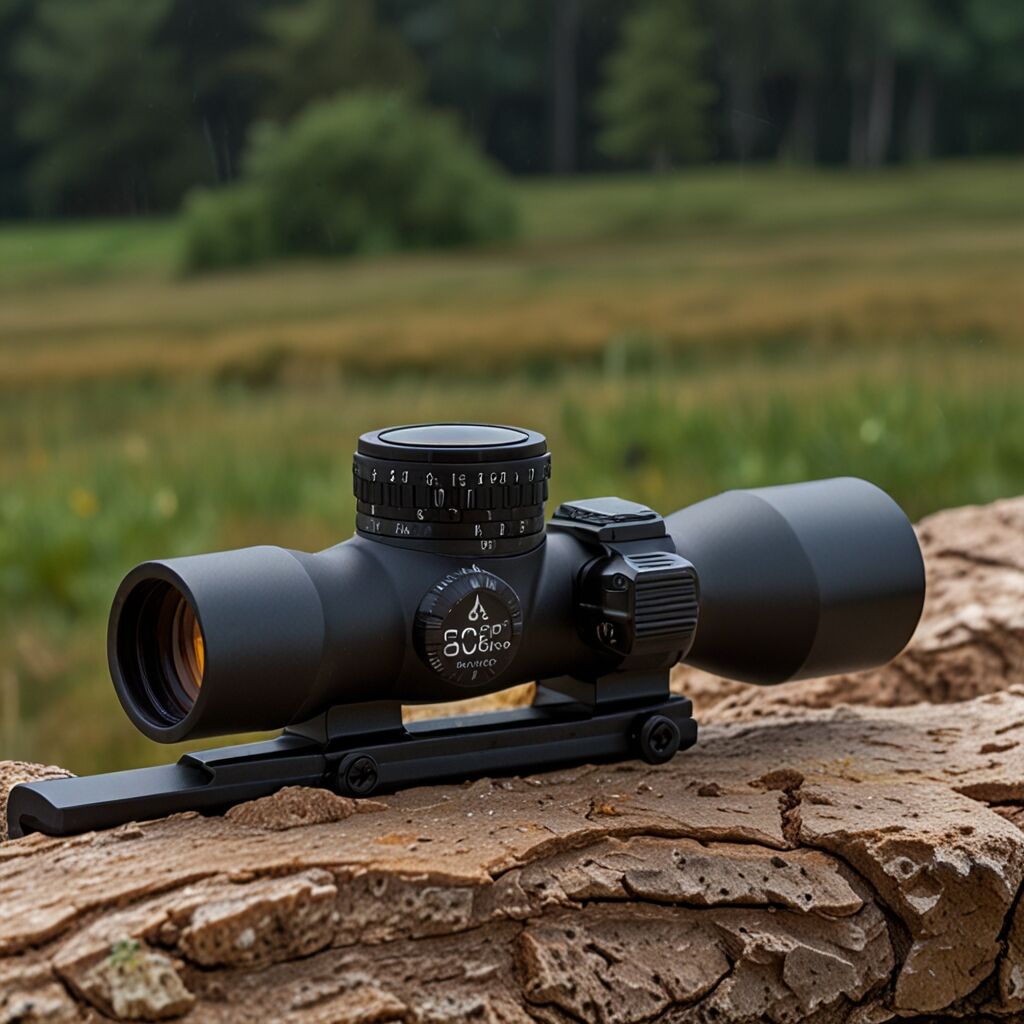
- Helps you acquire targets faster
- RMR models enhance your shooting accuracy
- Improves your performance in dynamic shooting
- Vortex sights are compact and energy efficient
- Reduces the time needed to align sights
- Increases confidence in tactical scenarios
- Provides clear sight picture in low-light conditions

Comparison of Key Features When Choosing Red Dot Sights for Your Pistol
| Brand | Model | Reticle Size (MOA) | Battery Life (hrs) | Weight (oz) | Price ($) |
|---|---|---|---|---|---|
| Trijicon | RMR Type 2 | 3.25 | 20000 | 1.2 | 479 |
| Holosun | HS507C | 2 | 50000 | 1.5 | 309 |
| Vortex | Venom | 6 | 30000 | 1.1 | 249 |
| Burris | FastFire 3 | 3 | 20000 | 1.5 | 229 |
| Sig Sauer | RomeoZero | 3 | 20000 | 0.4 | 199 |
| Leupold | Deltapoint Pro | 2.5 | 16000 | 1.9 | 449 |
Pistol Sight Selection Using Uncommon Brands
Choosing optics for pistols over traditional iron sights can greatly enhance accuracy and speed. Uncommon brands, while lesser-known, offer high-quality sights with unique features that can boost sight performance across various skill levels. Although popular brands like Trijicon, Vortex, and Leupold dominate the market, selecting brands with uncommon features like Holosun and Burris may provide comparable performance at a lower cost. Performance comparison shows that optics can affect the balance and handling of a pistol by adding minimal weight, though many uncommon brands precisely engineer their models for optimal integration.
How Do Rare Brands Compare in Pistol Sight Durability?
Lens quality crucially influences aiming precision, with high-grade lenses offering clearer vision. Rare sight brands like Crimson Trace and Primary Arms often build optics with durability characteristics like multi-coated lenses. For those seeking durability, brands such as Aimpoint provide enhanced durability offerings with advanced coatings that resist diverse environments. Brand warranties, often assessed during warranty comparisons, can indicate durability under heavy use, as seen with SIG Sauer optics.
Advantages of Red Dot Sights for Concealed Carry
Using red dot sights for concealed carry pistols benefits users with quick target acquisition and accuracy in self-defense scenarios. Concealed carry enthusiasts often worry about the concealability effect, but modern red dot models offer minimal profile designs that maintain discretion. Quick acquisition capability proves crucial in stressful situations, with optics enabling faster sighting compared to traditional iron sights. Sight reliability during rapid movements is also a strong suit of these optics, seen in brands like Shield Sights and Bushnell.
How Do Red Dot Sights Perform in Low-Light Conditions?
Features like adjustable brightness settings and illuminated reticles enhance performance in low-light conditions, critical for effective shooting. Battery life reliability remains strong, with many sight models offering extended use thanks to efficient power management. Sight models like the Leupold DeltaPoint Pro and SIG Sauer ROMEO3 have adjustable brightness settings specifically designed for diverse lighting conditions. Conditions performance differs among brands, with some like EOTech excelling in maintaining visibility in varying light levels.
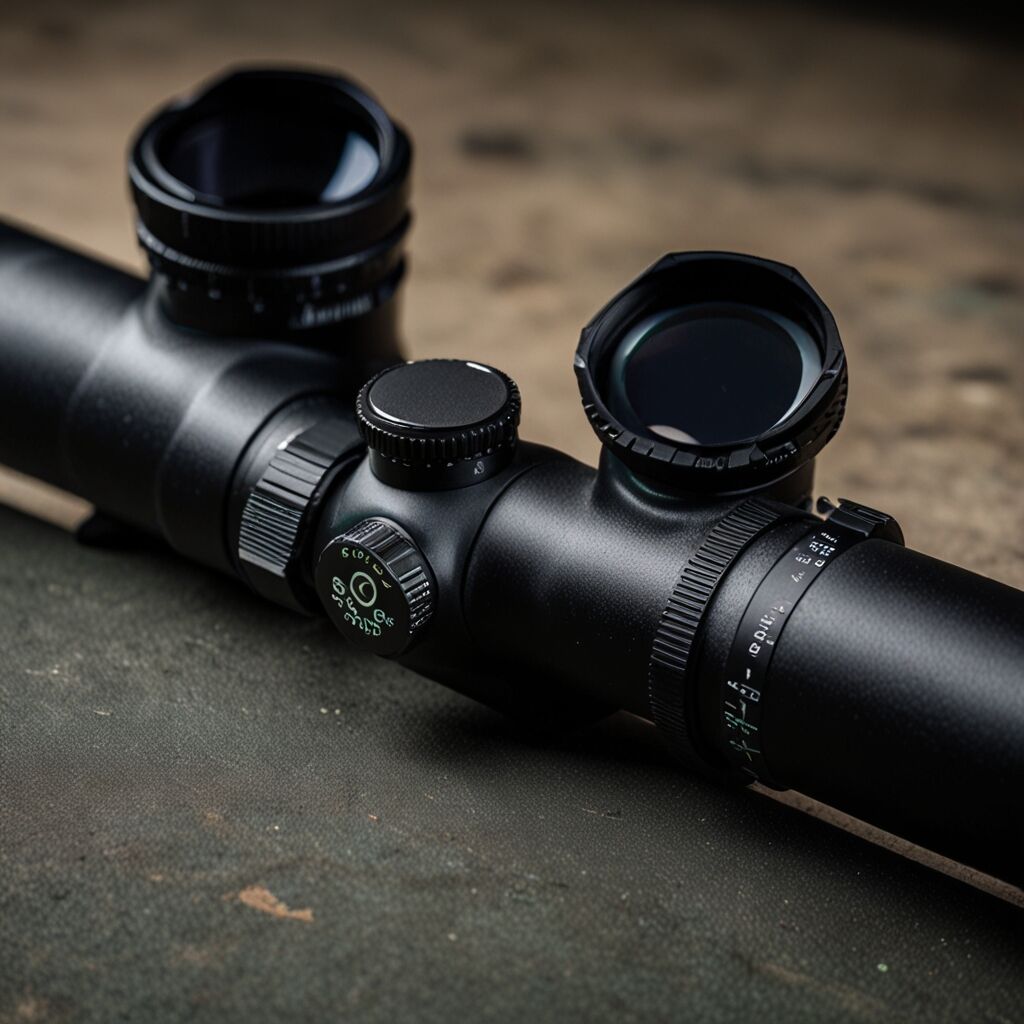
- Most models have a battery life of up to 50,000 hours
- Some Trijicon sights weigh only 1.2 ounces
- Size of the dot can range from 1 MOA to 6 MOA
- Holosun models typically withstand 5,000 rounds
- Average adjustment clicks per MOA is 1
- Available reticle brightness settings usually total 10
- Outer lens diameter often measures between 20mm to 30mm

What Are Legal Considerations for Pistol Red Dots?
Legal restrictions do exist for mounting sights on pistols, varying by region and type of firearm. In many states, competitive shooting rules specify that red dot sights may impact categorization, with organizations like the USPSA having specific divisions for optical sight use. Altering a pistol with optical sight alterations can potentially affect firearm classification, sometimes requiring modifications to be reversed when competing under restrictive guidelines. Notably, California and New York are examples of specific states with stricter laws, where pistol regulations may limit the sight legality for public use.
How Many States Regulate Red Dot Sights on Handguns?
A limited number of states ban red dot sights on handguns completely, often due to overarching firearm policies that include handguns. Approximately ten states have regulations on the use of red dot sights in public spaces, guided by public safety laws aimed at controlling visibility or perceived threat. Fewer than five states require a special permit for mounted optical sights, typically aligning with more comprehensive firearm permit requirements. Over 70% of states have lax legislation on handgun optics, allowing enthusiasts greater freedom to customize their firearms while ensuring compliance with basic optics policies.