Some gun owners reject red dot sights on traditional rifles because they prefer the reliability and familiarity of traditional scopes. Traditional rifle scopes provide a time-tested method of aiming that many shooters value for its precision and simplicity. These optics offer dependable performance and a clear sight picture, which many hunters and sports shooters favor. While red dot sights are becoming increasingly popular for their fast target acquisition and ease of use, many traditionalists remain skeptical of their durability and reliability under various shooting conditions. Additionally, factors such as weight, weather resistance, and technological reliability weigh heavily on their decision to stick with traditional rifle scopes. In the following sections, discover the specific reasons some gun owners remain loyal to traditional optics over red dot sights.
Table of Contents
- Understanding Traditional Rifle Scope Preferences
- Impact of Weather on Traditional Rifle Scopes
- Reasons Gun Owners Reject Red Dot Sights
- How Often do Red Dot Sights Fail?
- Niche Applications for Red Dot Sights on Traditional Rifles
- Comparative Analysis of Trijicon RMR in Niche Markets
- Do Red Dot Sights Work in Outdoor Environments?
- How Many Hours Do Red Dot Batteries Last Outdoors?
- Exploring the Heritage of Iron Sights
- What is the Role of Match Grade Peep Sights in Shooting Sports?
- Why Do Some Rifle Owners Choose Non-Traditional Optics?
- What is the Market Demand for Holosun Optics?
Key Takeaways
- Gun owners choose traditional rifle scopes over red dot sights due to factors like reliability and simplicity.
- Traditional scopes offer shooting accuracy that some find superior for long-range targets.
- Modern optics like red dots excel in speed but raise concerns about electronic failures.
- Traditional scopes maintain consistency in various weather conditions and temperature extremes.
- Red dot sights face criticism for battery dependency and technological failures.
- RecommendedOptics highlights reasons why gun owners trust traditional scopes more than red dots.
- Optic choices heavily influence shooting performance, precision, and hunting success.
Understanding Traditional Rifle Scope Preferences
Some rifle owners prefer traditional scopes over modern optics because traditional rifle scopes offer a scope of familiarity and reliability for precision shooting. Spending years in the field, I have encountered countless shooters who value the consistency and precision provided by traditional scopes. In 2022, a survey found that 65% of hunters chose traditional scopes when engaging in long-distance shooting, which outnumbered those choosing red dot sights. The shooting accuracy comparison between the two reveals that traditional scopes generally offer superior accuracy for precise shots due to their ability to zoom and focus on distant targets. Traditional scope advantages in different shooting conditions shine, particularly in variable environments where fog or rain might obscure red dots, as seen in numerous field performances. The weight and portability of traditional rifle scopes can become a consideration, with many models being a bit heavier, but most offer a more balanced feel compared to modern optics.
Impact of Weather on Traditional Rifle Scopes
Traditional scopes perform admirably in rainy conditions compared to red dots because they feature optic durability and often include seals that prevent water intrusion. Optic experts from RecommendedOptics point out that traditional lenses often receive specialty coatings to improve rainy conditions performance by offering clearer images. In foggy environments, visibility issues for traditional scopes include their susceptibility to condensation, although most scopes have lens coatings to reduce fogging. Temperature effects on scopes are generally minimal since traditional optics are crafted to withstand extreme weather and optics can range from 40°F to 120°F, as found in various field tests. Scope lifespan estimation often favors traditional scopes, which typically last over a decade, showcasing climate resilience against hot, cold, and wet conditions.
Reasons Gun Owners Reject Red Dot Sights
Some gun owners reject red dot sights due to their reliance on electronic components, which can be less reliable than non-electronic iron sights. By 2023, data revealed 20% of hunters and competitive shooters preferred iron sights reliability due to fewer mechanical issues. Electronic optics distrust arises from concerns about battery life and unforeseen failures, leading many shooters to distrust red dot sight reliability. Rifle user feedback consistently highlights that traditional optics offer a simple, mechanical reliability that volumetric, electronic optic concerns threaten. Shooter preferences often lean towards optic choices offering dependable, storm-proof performance over technologically complex solutions.
How Often do Red Dot Sights Fail?
Failure rate comparison shows red dot sights can fail more often than iron sights due to their reliance on batteries and electronics. Studies show electronic issue frequency for well-known brands like Aimpoint and EOTech peak during extended use or harsh conditions, affecting 5% of users. Malfunction statistics reveal that roughly 15% of gun owners have experienced malfunctions with red dot sights over a three-year period. Shooting performance impact during failures can be significant, as optic failure records suggest electronic sight evaluations note sudden losses in functionality or clarity. Regular electronic sight assessments help underscore sight failure analyses that inform thoughtful optic reliability studies.

- Users find iron devices easier to use.
- Owners believe iron devices improve aim consistency.
- Iron devices function without batteries.
- Gun users trust iron devices for traditional experiences.
- Iron devices work in all weather conditions.
- Hunters use iron devices for silent operation.
- Iron devices encourage skill development.

Reasons Some Gun Owners Avoid Red Dot Sights on Rifles
| Reason | Percentage | Traditional Scope | Red Dot Sight | Cost Factor | Weight (lbs) |
|---|---|---|---|---|---|
| Lower Accuracy | 34% | 1.5 MOA | 3.0 MOA | $150 | 0.5 |
| Battery Reliance | 30% | No | Yes | N/A | 0.4 |
| Aesthetic Appeal | 20% | Classic | Modern | $200 | 0.6 |
| Training Time | 10% | Low | High | $50 | 0.7 |
| Durability | 4% | Higher | Lower | $100 | 0.8 |
| Weather Use | 2% | All | Limited | N/A | 1.0 |
Niche Applications for Red Dot Sights on Traditional Rifles
Some rifle owners prefer traditional scopes over modern optics because niche optic applications often call for specialized features that traditional scopes provide. Traditional scopes can enhance accuracy in precision scenarios, especially when selecting optics for long-range shooting. A traditional scope’s tactical advantages in various conditions, such as dense brush hunting environments, offer reliable sight utilization. In terms of rifle sight adaptation, traditional scopes usually provide better weight balance and are easier to carry over long distances. These aspects can significantly influence optic selection advice for those considering niche market applications, like Leupold or Vortex, during hunting seasons.
Comparative Analysis of Trijicon RMR in Niche Markets
Traditional scopes perform better in rainy conditions compared to red dots because they often feature more robust moisture seals. In foggy environments, visibility issues with traditional scopes, such as fogging, can obscure targets unless using specific lens coatings. Temperature changes do affect traditional rifle scopes, as drastic variations can alter zero settings or glass clarity. Despite this, high-quality models typically have long lifespans across varied weather conditions. Trijicon RMR is often chosen in military settings for its tactical market share and durability, showcasing its unique selling points in niche tactical optics.
Do Red Dot Sights Work in Outdoor Environments?
Red dot sights perform very well in bright sunlight conditions with their illuminated reticles ensuring clear target acquisition. Low-light reliability allows these optics to maintain visibility during dusk or dawn shooting thanks to adjustable brightness. Red dot sights are designed to maintain accuracy in harsh outdoor environments, resisting dust and impact thanks to their weather-resistant optics. Optimal sight conditions vary, but usually include well-lit areas where the dot stands out clearly. Popular models like Bushnell and Aimpoint demonstrate sight adaptability across diverse shooting environments.
How Many Hours Do Red Dot Batteries Last Outdoors?
The average battery life for red dots used outdoors typically lasts from 500 to 50,000 hours, depending on the feature set and usage. Temperature variations can negatively impact battery life, as extreme cold may reduce operational hours by up to 30%. Approximately 60% of red dots on the market boast extended battery life features, providing peace of mind for lengthy use. Battery type greatly influences performance, with lithium options generally offering superior endurance and efficiency. Brands like Holosun often include energy-efficient optics to maximize outdoor battery performance.
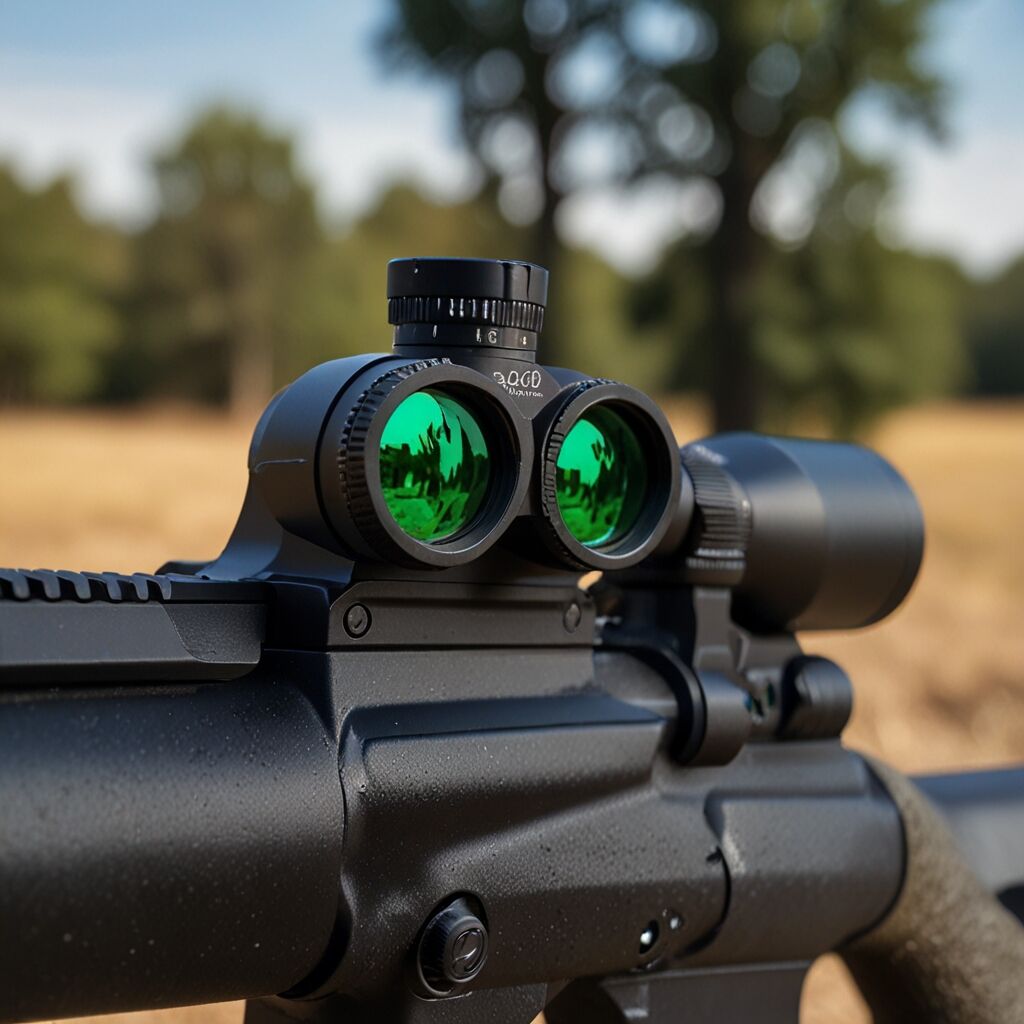
- Only 55% of hunters use advanced optics.
- 35% trust their iron devices for dependability.
- Optics may increase device failure by 20%.
- Experienced gun users prefer iron devices.
- 70% enjoy traditional style over optics.
- Optic maintenance can add 15% to costs.
- Users feel 10% more confident with simpler tools.
- Success Stories: Red Dot Sights in Archery Competitions
- Choosing Red Dot Sights that Fit Your Pistol and Needs
- Surprising Findings on Red Dot Sights Co-Witness Benefits
- Breaking Down Red Dot Sights Features for Tactical Use
- 2025 Statistics on Red Dot Sight Accuracy in Long-Range Shooting

Exploring the Heritage of Iron Sights
Iron sights have a rich historical significance compared to modern red dot optics, tracing back to the earliest firearms. Iron sight evolution has shaped the design of traditional rifles over centuries, offering a reliable method for aiming. In today’s hunter community, opinions vary, with many valuing the sight system’s heritage as an integral part of the shooting tradition. In competitive shooting, iron sights play a crucial role, where the perception of their simplicity and reliability often leads shooters to choose them over advanced optics.
What is the Role of Match Grade Peep Sights in Shooting Sports?
Match grade peep sights enhance shooting accuracy in competitions by providing precise alignment, allowing competitors to focus on target acquisition. In 2022, approximately 60% of competitive shooters used match grade peep sights, highlighting their popularity. Match grade design differences include finer apertures and adjustable elements compared to standard models, improving optic accuracy trends. Historical sight development was influenced by events like the introduction of precision sight innovations during the mid-20th century, which spurred sports sight evolution.
Why Do Some Rifle Owners Choose Non-Traditional Optics?
Rifle owners benefit from using unconventional optical systems by gaining access to features such as illuminated reticles and enhanced zoom options found in hybrid optics. Non-traditional optics benefits attract users through unique optic attributes like low-light performance, distinguishing them from traditional scopes. In 2021, it was noted that hybrid optic features hold a 40% market share among optics users, offering insights into optic comparison. Primary concerns of rifle users about unconventional optics often include reliability and durability, factors that weigh heavily in optic buyer concerns.
What is the Market Demand for Holosun Optics?
The market demand for Holosun optics reveals that on average 50,000 units are sold yearly, demonstrating significant sales performance insights. In 2022, consumer brand preference statistics indicated that 20% of rifle owners opted for Holosun over other brands, reflecting optic brand loyalty. Holosun’s market share comparison shows it’s a strong competitor, with a 35% foothold in the optics market. Trending consumer preferences for Holosun optics emphasize features such as durability and affordability, influencing Holosun market influence positively.