Reflector telescope warranties typically span a range of 1 to 3 years, depending on the manufacturer and the specific components included in the package. The single most common reason a warranty claim in this category is refused is damage caused by improper transport or assembly, such as a cracked primary mirror or a bent optical tube caused by over-tightening bolts or inadequate bracing during transit.
What does a reflector telescope warranty typically cover?
A reflector telescope warranty typically covers manufacturing defects in the optical components and the mechanical housing of the unit. Because these instruments rely on precise alignments, the warranty usually focuses on the integrity of the primary and secondary mirrors and the structural stability of the telescope tube.
- Manufacturing defects in the primary and secondary mirrors, such as surface pitting or coating inconsistencies.
- Structural failures of the optical tube assembly (OTA) due to material fatigue or poor construction.
- Faulty mechanical components like the focuser gears, slow-motion controls, or mounting brackets.
- Defects in the included accessories, such as the finderscope or the mounting hardware.
Warranty exclusions are standard across the industry to protect manufacturers from damage caused by environmental factors or user error. Because reflector telescopes are sensitive to physical handling and environmental conditions, most warranties explicitly exclude damage from impacts, moisture, or improper setup.
- Cracks, chips, or scratches on the mirrors caused by impact or improper handling.
- Corrosion or oxidation caused by storing the telescope in high-humidity environments without proper protection.
- Damage resulting from the use of non-authorized accessories or third-party modifications.
- Wear and tear on moving parts, such as the loosening of gears over years of regular use.
- Damage caused by shipping if the unit was not packed according to the manufacturer’s specific instructions.
Reviewed examples from this category
3 reviewed options, $179.95 to $329.99, with the full write-up behind each name.


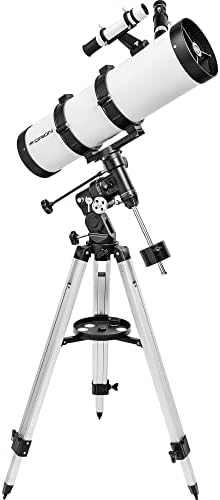
Celestron ExploraScope 114AZ Reflector Telescope
$209.95 price checked August 2026
If you want modern connectivity, browse our guide to the best Wi-Fi reflecting telescopes.
How does the place of purchase affect my reflector telescope warranty?
The location where you buy a reflector telescope dictates the legal and logistical path a warranty claim takes. Each source offers a different level of protection and a different point of contact for when a component fails.
Buying direct from the manufacturer often provides the most straightforward claim path, as the manufacturer controls the entire fulfillment and repair process. In this scenario, you deal directly with the entity that produced the optics, which can lead to faster replacements for defective parts.
Purchasing from an authorised retailer usually means the retailer acts as the first point of contact. The retailer often handles the initial inspection and may facilitate the return or repair, but they rely on the manufacturer’s willingness to honour the claim. This is the standard path for most consumers.
Marketplace sellers, such as those on large third-party platforms, often introduce complexity because the seller may not be the manufacturer or an authorised dealer. If a marketplace seller does not provide a clear warranty policy, you may be forced to deal with the manufacturer directly, even if the seller’s own return window has closed.
You might also consider exploring various reflector telescope alternatives if these models do not suit your needs.
Refurbished or open-box sellers typically offer a much shorter and more limited warranty, often ranging from 30 to 90 days. These warranties usually only cover major mechanical failures and rarely include the optical surfaces, as the previous owner’s usage is unknown.
Importers or grey-market sellers may sell products that are technically authentic but were not intended for your specific region. These products often lack a valid local warranty, meaning you may have to ship the telescope back to a different country for repairs, which often costs more than the telescope itself.
What actions will void my reflector telescope warranty?
Actions that void a reflector telescope warranty usually involve physical alterations or exposure to extreme environmental stresses that go beyond normal use. Because the optical alignment of a reflector telescope is delicate, any structural change can invalidate the manufacturer’s guarantee.
Modifying the telescope’s physical structure, such as drilling new holes for accessories or altering the mounting points, typically voids the warranty immediately. These changes can compromise the structural integrity of the tube or the precision of the optical axis.
Attempting to repair the telescope yourself is a primary cause of voided coverage. If you open the optical tube or attempt to re-coat a mirror, the manufacturer will generally refuse to service the unit, as they cannot guarantee the safety or functionality of a modified device.
Exposing the telescope to moisture or extreme temperature fluctuations without proper storage can also lead to a denied claim. While the warranty covers manufacturing defects, it does not cover the degradation of materials caused by poor storage habits, such as leaving the telescope in a damp garage without a protective cover.
What should I do before buying to ensure a future claim works?
Taking specific actions before you purchase a reflector telescope ensures that you have the documentation and evidence needed to make a claim successful. Documentation is the primary currency of the warranty process.
- Request a written warranty statement from the seller that specifies the duration and the specific components covered.
- Record the serial number of the telescope and the primary mirror upon arrival and keep it in a dedicated file.
- Take high-resolution photos of the telescope as it arrives, specifically focusing on the condition of the mirrors and the tube.
- Keep the original packaging and all shipping materials, as many manufacturers require the original box for return shipping.
- Register the product with the manufacturer immediately after purchase if a registration portal is available.
- Save a digital copy of the original sales receipt and the specific warranty document provided at the time of purchase.
When is an extended warranty worth it for a reflector telescope?
An extended warranty is worth it if you are purchasing a high-end reflector telescope with complex motorized components or expensive tracking systems. If the telescope includes electronic mounts, auto-guiding systems, or motorized slewing, the complexity of the electronics makes a longer warranty a practical safeguard against circuit failures.
An extended warranty is not worth it for basic manual reflector telescopes or entry-level Newtonian reflectors. Since these models have few moving parts and no electronics, the risk of a non-manufacturing-related failure is low enough that a standard manufacturer’s warranty is usually sufficient for the life of the product.