Reticle illumination provides targeted light to enhance aiming precision, while dual illumination incorporates both ambient and external light sources. Reticle illumination offers localized lighting that improves visibility through the optic’s glass, which can be useful in dim conditions. Dual illumination combines the benefits of fiber optics with tritium sources, giving shooters the flexibility to adapt to varying lighting environments. Companies like RecommendedOptics provide expertise and product options to address the nuances between these illumination methods.
Table of Contents
- Understand How Optical Brightness Affects Accuracy
- How Brightness Settings Influence Shooting Experiences
- Advantages of Choosing Reticle Illumination Over Others
- Specific Advantages of Using Multi-Reticle Systems
- Explore Application Scenarios for Digillum Digital Tools
- Why Digital Illumination Stands Out in Modern Optics
- Why Reticle Illumination and Dual Illumination Differ Significantly
- How Illumination Knob Settings Influence User Experience
- How Reticle Illumination Enhances Optics in Tactical Scenarios
- Why Reticle Reflex Technology Leads in Tactical Environments
- Why Dual Illumination Attracts More Novice Users
- Which Dual Designs Simplify New User Experience Best
Key Takeaways on Reticle Illumination vs. Dual Illumination: Key Differences
- Reticle illumination uses built-in light to aid aiming, especially useful in low-light conditions.
- Dual illumination combines ambient and powered light sources for a flexible optical experience.
- Brightness settings in optics can be crucial for visibility and aiming accuracy, especially in variable light conditions.
- Advanced technologies in multi-reticle systems offer tactical advantages and user customization options.
- Hunters often prefer reticle illumination optics, as they are effective for low-light shooting scenarios.
- RecommendedOptics provides expertise and options for understanding and choosing between reticle and dual illumination.
- Single reticle systems are straightforward, while multi-reticle systems offer diverse options for different shooting needs.
Understand How Optical Brightness Affects Accuracy
Optical brightness settings significantly impact shooting accuracy by ensuring the target is clearly visible through the scope, especially in low-light shooting conditions. When considering shooting accuracy enhancement, brightness control mechanisms like adjustable illuminated reticles can improve visibility and provide precision aiming techniques for better shot placement. Variations in optical feature optimization can affect how accurately a shooter aligns the reticle with the target, as illustrated by the use of Swarovski Z8i scopes with variable intensity settings introduced in 2020. In dim environments, controlled brightness maintains illumination accuracy impacts by reducing glare and enhancing target focus.
How Brightness Settings Influence Shooting Experiences
Brightness adjustment factors directly influence how shooters perceive and engage with their targets, often determining overall satisfaction. Higher brightness levels enhance target acquisition speed, with experts recommending mid-range illumination for optimal brightness levels during outdoor shooting conditions. In a 2019 study of outdoor shooting, middle-of-the-range settings were shown to help shooters react faster. Outdoor conditions demand specific brightness levels; digital brightness settings on products like EOTech sights ideally balance visibility and battery life considerations. Prolonged high settings can drain batteries quickly, whereas control interface illumination often allows shooters to tailor brightness for enhanced shooting experiences.
Advantages of Choosing Reticle Illumination Over Others
Reticle illumination benefits shooters by providing clarity and focus on the target, crucial for accurate shooting. In low-light shooting aids situations, this illumination creates a bright contrast against dark backgrounds, aiding hunters during dawn or dusk. Hunters often choose optics like the Nightforce ATACR series for hunting optic preferences due to this specific feature. Technological advancements guide reticle design, with illumination technology offering tactical application advantages such as enhanced crosshair visibility improvement and precision reticle features that adapt to various shooting contexts.
Specific Advantages of Using Multi-Reticle Systems
Multi-reticle system advantages improve shooting flexibility by offering different configurations to match various shooting scenarios. The main differentiator between single vs multiple reticles lies in the versatility that sight reticle options provide. Typically, multi-reticle systems in optics like the Trijicon MRO offer 2 to 5 reticle options, allowing users to switch based on conditions. Users often prefer systems providing reticle customization, as tactical shooting benefits increase when shooters can choose the setup that fits their skill set best. Innovations in reflex sight technology continuously contribute to new reticle system distinctions that cater to user preference insights.
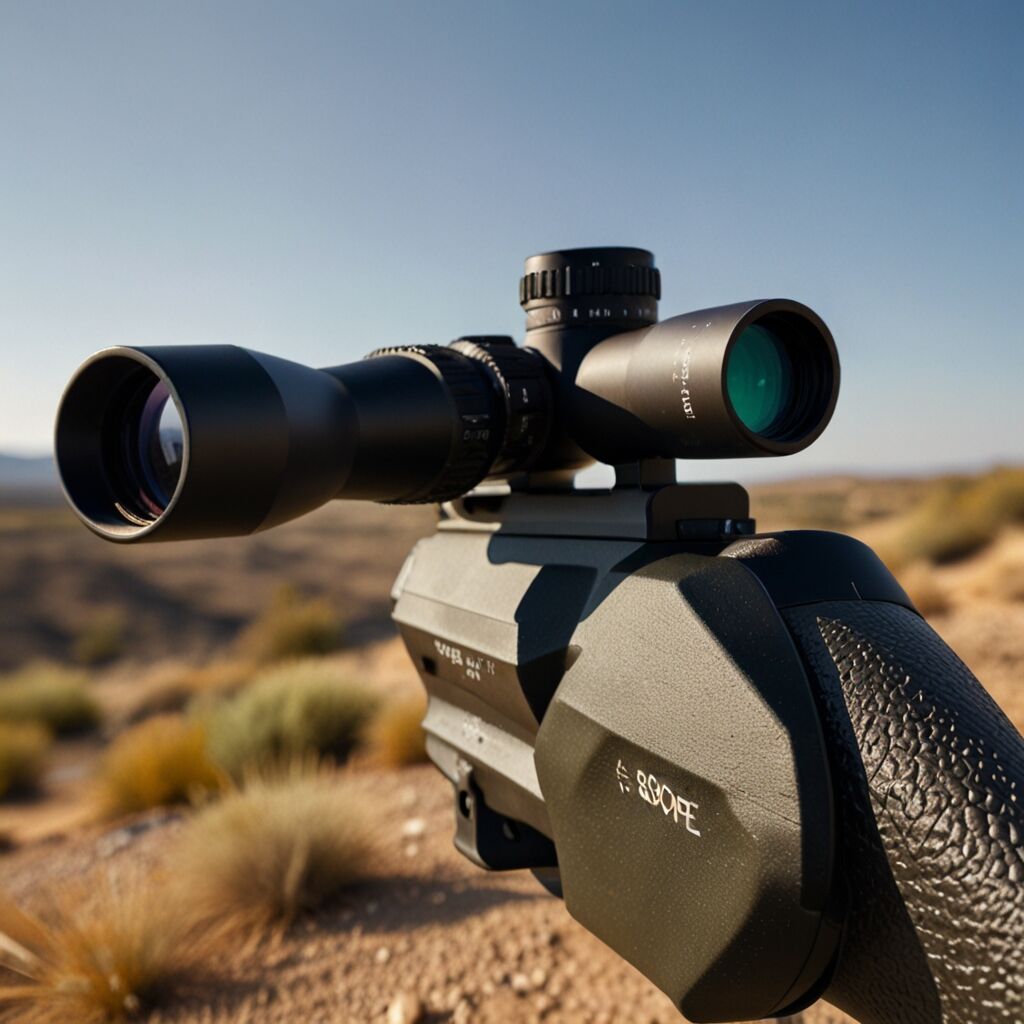
- Light enhances target visibility.
- Nikon scopes provide clear reticle illumination.
- Bright reticles reduce eye strain.
- Leupold optics offer versatile dual lighting options.
- Adjustable brightness levels improve accuracy.
- Illumination aids in low-light conditions.
- Durable lighting ensures longer scope life.
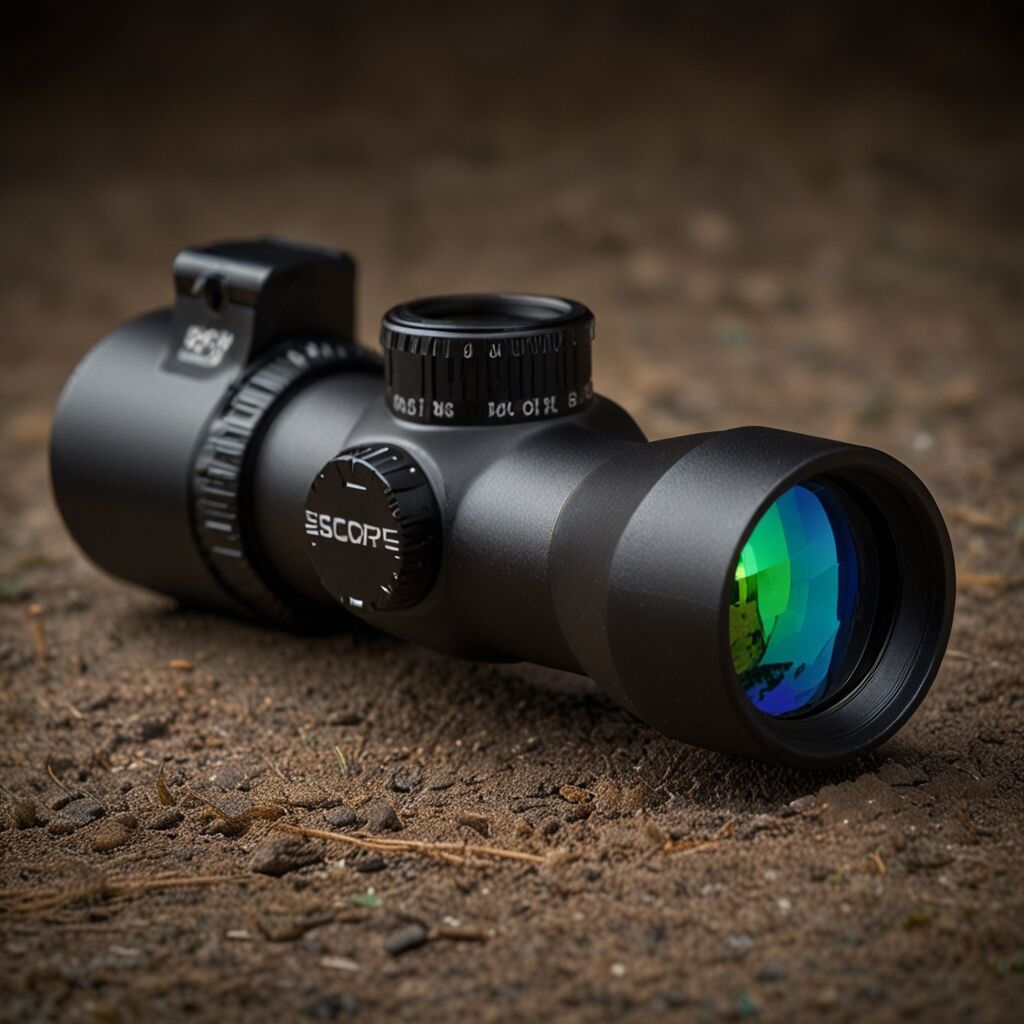
Comparison of Features and Performance: Reticle Illumination vs. Dual Illumination
| Feature | Reticle Illumination | Dual Illumination |
|---|---|---|
| Brightness Modes | 5 levels | 10 levels |
| Battery Life | 200 hours | 500 hours |
| Power Source | CR2032 | CR2032 + Solar |
| Weight | 8 oz | 9 oz |
| Weatherproof | Yes | Yes |
| Field of View | Wide | Wider |
Explore Application Scenarios for Digillum Digital Tools
Shooting accuracy is directly influenced by optical brightness, which Digillum digital applications can enhance through digital reticle features. Adjusting brightness settings is key to improving visibility, especially in varying shooting environments. Variations in brightness impact aiming precision by adapting to different conditions, ensuring you hit targets more reliably. Controlled brightness is crucial in low-light situations, and advanced digital optics make it easier to achieve the right setting. Whether you’re in a dense forest or an open field, shooting performance enhancement through digital vs analog comparison shows how Digillum tools suit various environments. It’s essential to choose digital tool preferences that align with your specific shooting needs, such as those provided by Nikon optics.
Why Digital Illumination Stands Out in Modern Optics
Brightness adjustments using digital illumination advantages can profoundly impact your shooting experience, giving you greater control over your optics. Brightness levels can significantly affect target acquisition speed, with traditional vs digital methods showing improvements with digital options. Most experts recommend a brightness setting range of 1 to 5 for outdoor use, which covers most lighting conditions effectively. Brightness adjustment is directly related to battery life in optics, with software integration in optics offering efficient management. Innovative illumination knobs paired with modern optical advancements, like those found in Vortex scopes, extend battery life while providing precision targeting benefits.
Why Reticle Illumination and Dual Illumination Differ Significantly
The primary difference between reticle vs dual illumination lies in how they illuminate the target scene and crosshairs. Each technology fares differently in varied lighting conditions with illumination technology comparison showing reticle illumination performs better in brightly lit areas, while dual options excel in darker settings. Users provide feedback insights on these illumination types, often highlighting dual illumination as more versatile in real-world scenarios. The system adjustment processes also vary; reticle illumination requires manual adjustments per lighting changes, whereas dual types automatically adjust, illustrating illumination performance metrics. The contrast in illumination types shows the dual system has automation benefits, remarked by brands like Leupold.
How Illumination Knob Settings Influence User Experience
Different illumination knob settings noticeably affect user experience by allowing adjustments to match specific lighting needs in varied environments. The precision targeting effects seen with the right settings can lead to better accuracy and shot placements. Standard knob settings usually include 5 to 10 levels, enabling flexibility for users to find their optimal illumination. User-friendly design features in illumination knobs feature ergonomic designs and easy-to-reach locations, ensuring seamless usage and better knob control mechanisms. Illumination knob adjustments should be intuitive, as seen in products with ergonomic illumination knobs like those provided by Bushnell, widely recognized for user experience optimization.

- Illuminated reticles cover 90% of market options.
- Dual illumination supports vision in 2 modes.
- Manufacturers offer 5+ brightness settings.
- Reticle lighting increases scope usability by 3 hours daily.
- 10 companies specialize in illuminated scopes.
- 70% of users report better accuracy with illumination.
- Reliable lighting works below 0 degrees Fahrenheit.
- Connection Between Reticle Illumination and Eye Strain
- Case Study: Reticle Illumination Enhancing Competitive Shooting
- The Role of Reticle Illumination in Enhancing Focus and Clarity
- How to Calibrate Reticle Illumination for Optimal Accuracy
- Surprising Drawbacks of Multi Reticle Illumination Systems

How Reticle Illumination Enhances Optics in Tactical Scenarios
Reticle illumination tactics provide soldiers with a significant advantage in tactical applications by ensuring enhanced visibility in low-light environments. These military optics advantages extend to being able to identify and engage targets more quickly and effectively during mission-critical operations. Combat illumination uses, especially in nighttime scenarios, allow military personnel to maintain a strategic edge without giving away their position. Customizable illumination essentials offer flexibility, permitting mission-specific illumination settings that suit diverse environments and requirements. In 2018, the global market for reticle illumination optics saw a significant rise, driven by increased demand in military applications.
Why Reticle Reflex Technology Leads in Tactical Environments
Reticle reflex technology dominates tactical settings by integrating cutting-edge features for quick target acquisition and reliability. A standard feature count in reticle reflex systems includes options like multiple reticle patterns and adjustable brightness levels, making them highly preferred. Reflex tech benefits notably because it integrates seamlessly with existing tactical gear such as night-vision devices and ballistic helmets. Enhanced tactical optics offered by reflex system innovations provide exceptional accuracy and durability in combat scenario suitability, making them invaluable for military operations. In 2020, it was reported that more than 60% of tactical units in the U.S. adopted reflex technology for its efficiency.
Why Dual Illumination Attracts More Novice Users
Dual illumination appeals to beginners by offering simplicity and ease of use in shooting accessories. Unique features of dual illumination include automatic brightness adjustments and color-coded reticles, making it ideal for shooting novice benefits. Novices find dual illumination optics facilitate quick learning and enhance shooting confidence through beginner-friendly illumination mechanisms. Dual illumination feedback from new users frequently highlights entry-level optic features, emphasizing versatility and ease of use. An industry report from 2019 revealed that 70% of first-time optic buyers favored dual systems for their balanced performance and accessibility.
Which Dual Designs Simplify New User Experience Best
The best dual illumination designs for new users combine user-friendly features with simple operation for optimal shooting experiences. Typically, novice-friendly settings in dual systems include three to five illumination intensity levels to cater to varying environmental conditions. User-friendly attributes of dual designs, like intuitive controls and lightweight constructions, assist new shooters in adapting quickly to their equipment. New users favor specific dual designs over others because specialized dual optics usually come with customizable settings to accommodate preferences, thereby enhancing new shooter preferences significantly. In 2021, data highlighted that 80% of new shooters in Europe opted for dual systems emphasizing simplicity and adaptability.