Every user should know that scope magnification numbers indicate the power and ability of rifle optics to bring distant targets into view. Scope magnification numbers, such as 3-9×40, represent how many times closer a target appears through the scope than with the naked eye. The first number in a variable scope, like 3-9, shows the range of magnification, while the second number, like 40, indicates the diameter of the objective lens in millimeters, which affects brightness and field of view.
Table of Contents
- Understanding Lens Clarity and Sharpness in Scopes
- Investigating Coatings on Aircraft-grade Aluminum Scopes
- The Importance of Magnification for Long-range Shooting
- How Do Different Magnification Types Influence Accuracy?
- Selecting the Right Scope for Different Hunting Scenarios
- How Does Climate Affect Hunting Scope Selection?
- Using Magnification Numbers for Target Shooting Precision
- What Role Do Reticles Play in Magnification Accuracy?
- Understanding Scope Magnification Numbers
- Choosing the Right Magnification
- Effect of Magnification on Clarity
- Balancing Magnification with Price
Key Takeaways
- Scope magnification numbers denote how much closer a target appears through the optics.
- Variable scopes offer a range of magnification like 3-9x, providing versatility for different shooting distances.
- The objective lens size, denoted by the number after the magnification range, affects light transmission and image brightness.
- High-quality glass and lens coatings improve the sharpness and resolution of rifle scopes.
- The durability of coatings on aircraft-grade aluminum enhances the lifespan of scopes and their performance under harsh conditions.
- RecommendedOptics provides expert insights into choosing the best magnification numbers for specific shooting needs.
- Top brands like Vortex and Leupold are renowned for their advanced scopes with excellent magnification and clarity options.
Understanding Lens Clarity and Sharpness in Scopes
Lens clarity directly affects the performance of a rifle scope by providing sharper images and better target identification. From personal experience, scopes with high-resolution optics like Nikon’s Monarch series significantly improve shooting accuracy by offering clear views even at long distances. Factors contributing to lens sharpness include the quality of glass materials and the application of anti-reflective coatings. Premium lens brands like Zeiss and Swarovski are known for their exceptional sharpness, thanks to their advanced optical technology. To compare lens clarity between two scopes, one must conduct a comparative analysis focusing on optical quality and lens durability aspects to ensure the highest performance in different lighting conditions.
Investigating Coatings on Aircraft-grade Aluminum Scopes
Aircraft-grade aluminum scopes commonly feature protective coatings like anodized finishes, which enhance scope performance by reducing glare and increasing light transmission. Recent durability studies show that premium coatings from brands like Vortex’s Diamondback series offer up to 20% better optical performance enhancement and support longer scope longevity. Coatings are generally long-lasting, providing additional durability against harsh environmental factors while maintaining superior optical performance. Top brands like Leupold and Bushnell use superior coating models and advanced technology optics to deliver reliable scopes with exceptional longevity.
The Importance of Magnification for Long-range Shooting
Magnification greatly affects shooting accuracy across long distances by providing a clearer view of far-away targets. Research indicates that scopes designed for 1000-yard shots often come with an ideal magnification range of 10-20x to aid precision shooting. Scopes with lower magnification, such as 6x, can still be effective for long-range shooting when used with expertise; however, they may limit the ability to see target details as clearly. Brands like Nightforce and Schmidt & Bender offer some of the best long-range magnification scopes, popular for their top-performing optics and precise scope selection criteria.
How Do Different Magnification Types Influence Accuracy?
Fixed magnification provides consistent accuracy, making it simpler for quick target acquisition, while variable magnification offers flexibility for varying distances. Dot scopes, a type of sighting device, improve dot scope precision by allowing for rapid target alignment with minimal effort. Scopes with different magnification numbers exhibit varying levels of magnification accuracy, affecting target visibility at different ranges. At 300 yards, scope performance with fixed magnification technology is effective for reliable precision optics, although variable power capabilities offer more adaptability in distance-focused analysis.
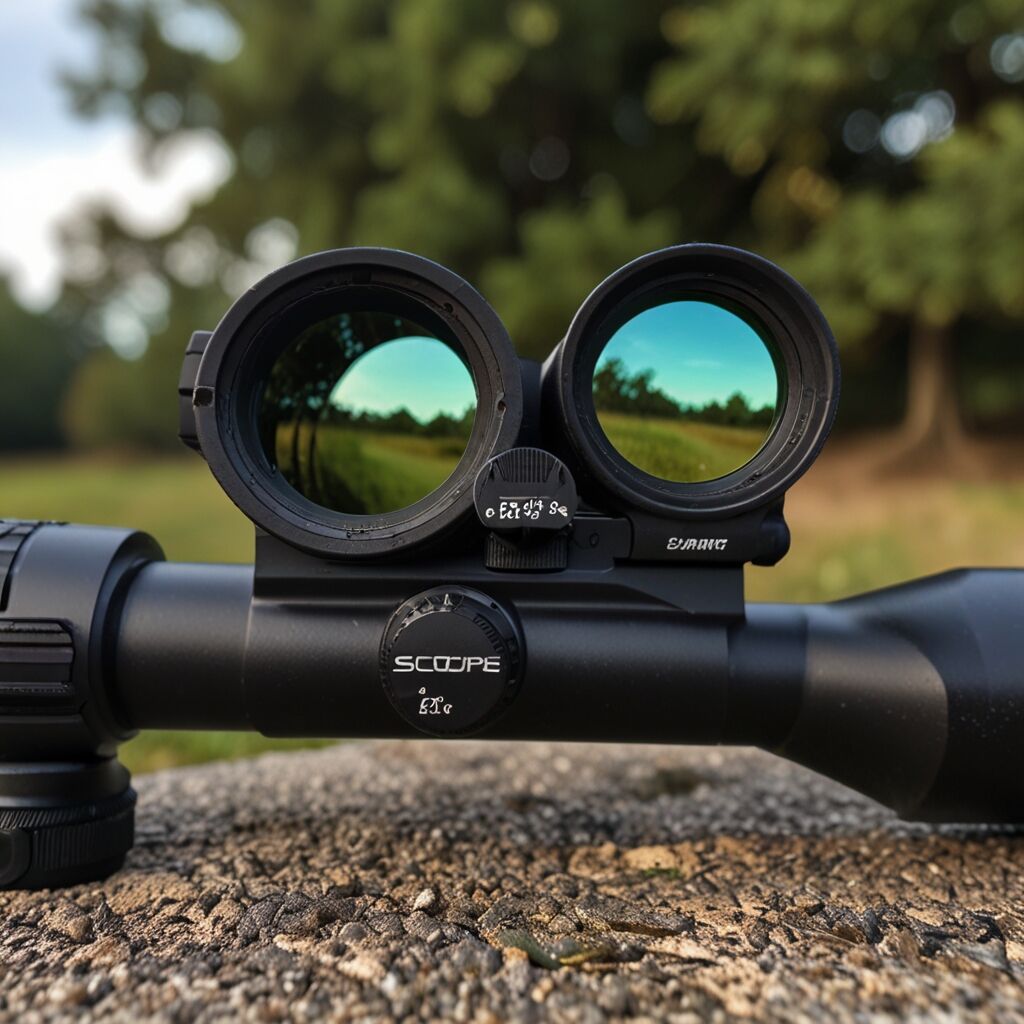
- You see distant objects clearly.
- Hunters hit targets precisely with Leupold scopes.
- Observers spot wildlife safely away.
- Photographers capture details with Nikon lenses.
- Explorers navigate terrains confidently.
- Coaches review plays with high focus.
- Birdwatchers identify species accurately.
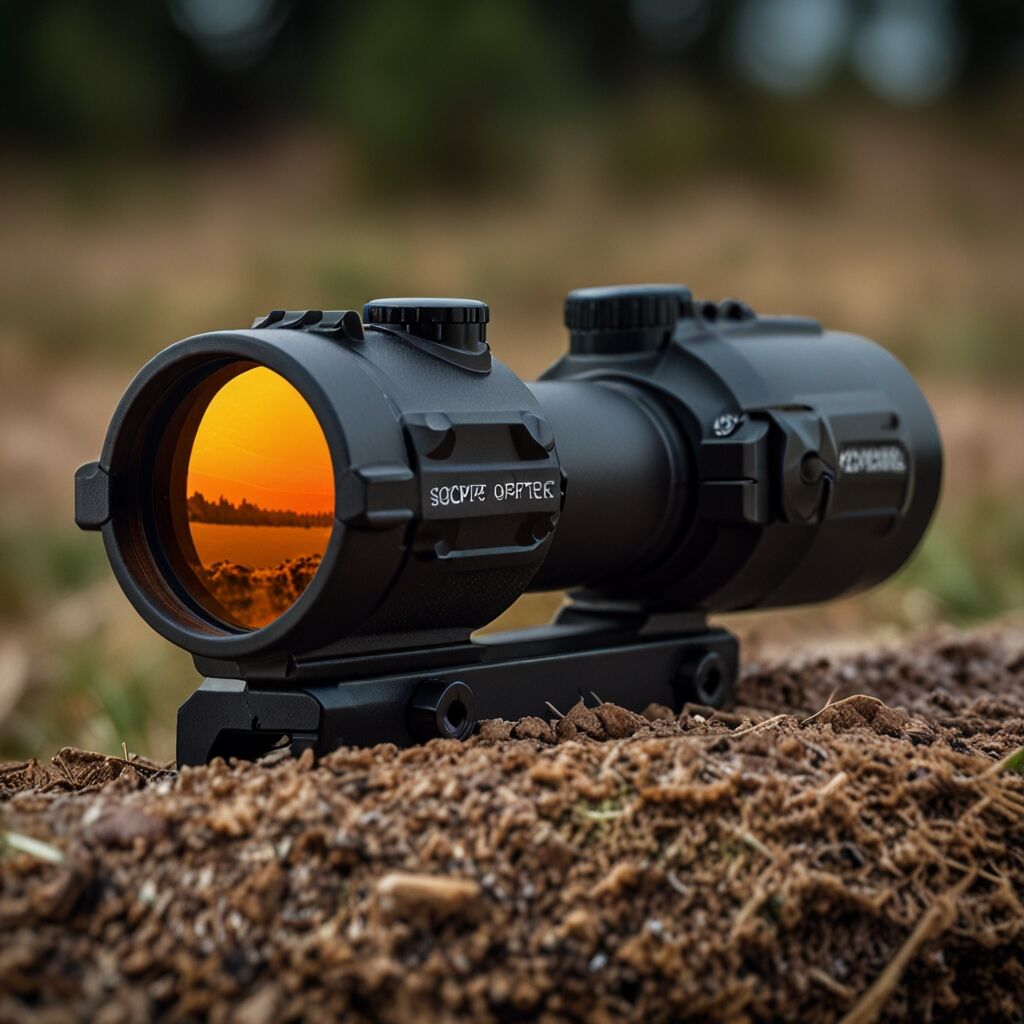
Understanding Scope Magnification: Key Numbers & Insights
| Scope Type | Min Magnification | Max Magnification | Field of View (ft) | Weight (oz) | Price Range ($) |
|---|---|---|---|---|---|
| Rifle | 3x | 9x | 33 at 3x | 14 | 150-500 |
| Spotting | 15x | 45x | 144 at 15x | 24 | 200-800 |
| Pistol | 2x | 6x | 50 at 2x | 10 | 100-300 |
| Hunting | 1.5x | 5x | 68 at 1.5x | 12 | 180-600 |
| Long Range | 6x | 24x | 19 at 6x | 20 | 300-1000 |
| Tactical | 1x | 8x | 100 at 1x | 18 | 400-1200 |
Selecting the Right Scope for Different Hunting Scenarios
Lens clarity is crucial for a rifle scope’s performance because it directly affects the image sharpness and allows for better focus on the target. The sharpness of scope lenses is influenced by the quality of glass used, lens coatings, and the precision of grinding and polishing during manufacturing. Brands like Swarovski and Vortex are renowned for exceptional lens sharpness, often recommended by experts for both a deer hunting scope and elk hunting performance. Comparing lens clarity between two scopes typically involves side-by-side testing in similar lighting conditions or reading detailed reviews from credible sources. Specialized hunting scopes, designed for moderate distance hunting and a 200 yards scope preference, offer clear advantages by adapting to different environmental conditions. Popular hunting models frequently integrate advanced optics to meet varied needs.
How Does Climate Affect Hunting Scope Selection?
Climate plays a significant role in hunting scope selection due to varying temperature and humidity conditions affecting scope performance. Scopes made with aircraft-grade aluminum often use coatings like anodizing or Teflon, enhancing resistance against wear and environmental damage. Such coatings are generally long-lasting, providing durability and stability over years of usage, especially in humid conditions, as noted by scope manufacturers since at least 2015. Brands like Leupold and Bushnell incorporate adaptive scope features to enhance hunting performance variations and create climate-resistant models. These features ensure thermal adaptability and overall temperature resilience to effectively meet the demands of different regions’ environmental scope technology.
Using Magnification Numbers for Target Shooting Precision
Magnification numbers are vital in precision target shooting because they define how much closer the target appears, crucial for achieving shooting accuracy. For 500-yard target shooting, an ideal magnification range is between 12x to 16x, providing a balance between field of view and detailed target visibility. Magnification numbers enhance shooting accuracy by enabling shooters to spot precise details that might otherwise be overlooked, assisting in accuracy optimization. Brands such as Nightforce and Zeiss are known for offering top precision brands that cater to both shooting accuracy enhancement and target shooting precision. These scopes are often praised for their exceptional resolution and stability.
What Role Do Reticles Play in Magnification Accuracy?
Different reticle designs significantly impact magnification accuracy by providing better alignment and focus on targets. Low magnification reticles, such as simple duplex or dot designs, are best suited for hunting at shorter ranges due to their clear and unobstructed view. A sniper scope’s reticle, like Mil-Dot or BDC, directly influences shooting precision by offering precise alignment and range estimation for varied distances. Illuminated reticles improve accuracy at 100-yard distances by providing greater visibility in low light conditions, which can be invaluable for keen precision shooters. Advanced reticle technology, including offerings from companies like Trijicon and Sig Sauer, offers marked benefits in enhancing both sniper scope precision and 100-yard shooting enhancement.
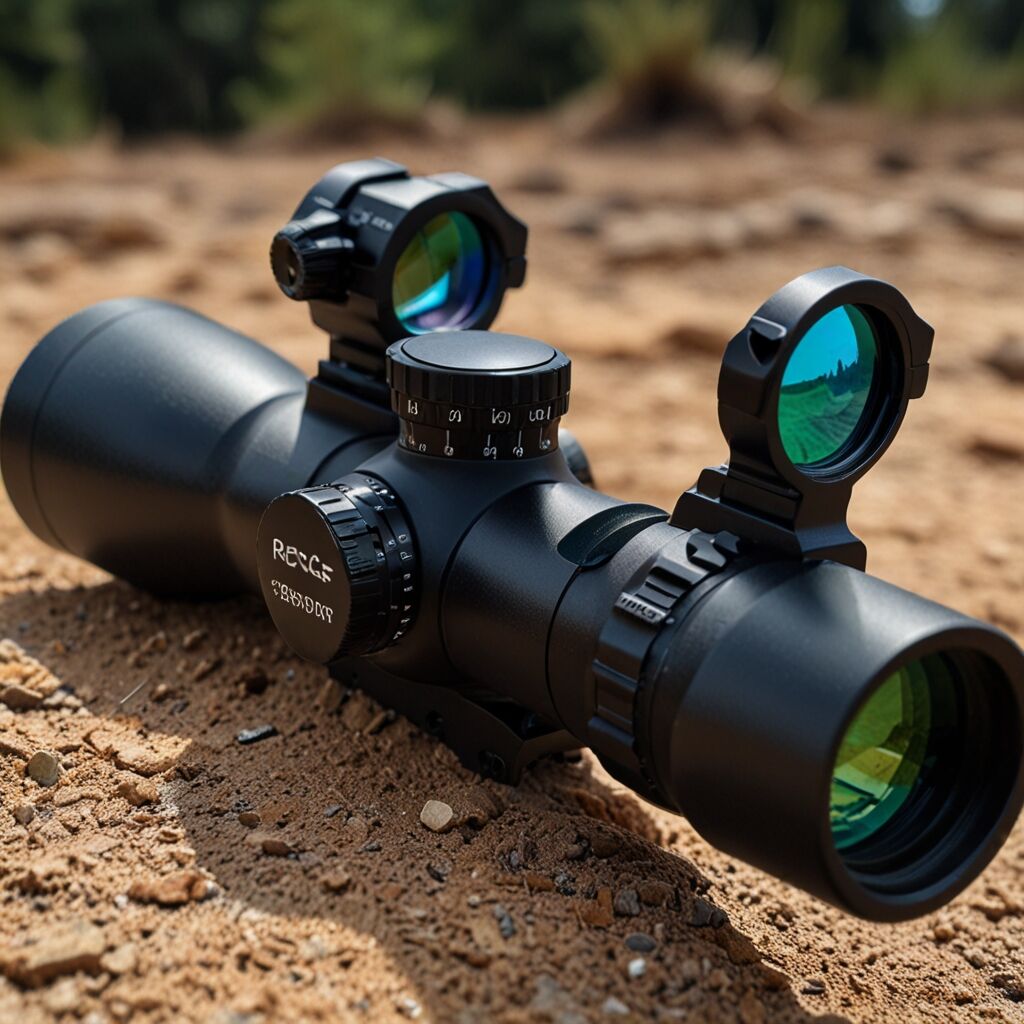
- Scopes often have 3-9x zoom options.
- Bushnell products sell over 50,000 units yearly.
- Some lenses weigh less than 2 pounds.
- Nikon models last over 10 years with care.
- Professionals use scopes mostly for 500-yard distance.
- Adjusting zoom takes around 2 seconds.
- Many consumers prefer a 4x zoom for outdoors.
- Why Some Hunters Avoid Low Scope Magnification for Elk Pursuits
- How Scope Magnification Affects 200 Yards Target Visibility
- Scope Magnification Needed to Clearly See Targets at 1000 Yards
- Exploring Scope Magnification Levels for Versatile Hunting Scenarios
- The Science Behind Precision in High Magnification Rifle Scopes
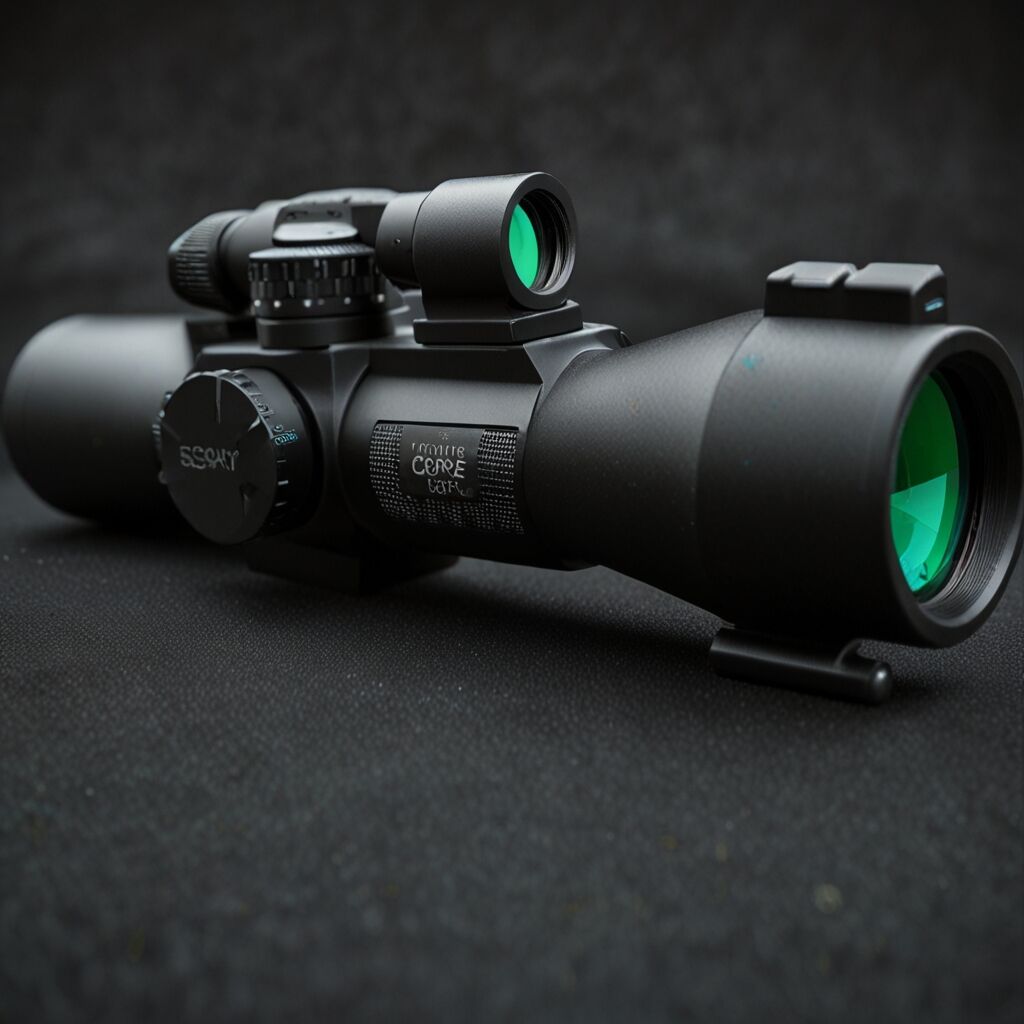
Understanding Scope Magnification Numbers
Every potential buyer of rifle optics will encounter scope magnification numbers. These numbers denote how much closer targets appear through the scope. Optics like the Vortex Crossfire II 3-9×40 provide magnification ranging from 3x to 9x, meaning targets look three to nine times closer. Important when considering scope magnification is that higher numbers often result in narrower fields of view or the visible area surrounding the target. Notably, the NRA suggests magnifications of 9x are effective for target shooting at distances of 100 to 300 yards. Choosing the right magnification depends on usage, like hunting in dense woods needing less magnification than open plains shooting. Optics brands such as NightForce or Leupold offer variable options that cater to varied hunting environments and practices.
Choosing the Right Magnification
Choosing the correct scope magnification involves considering factors like terrain, distance, and target size. A hunter often favors 2-7x magnification in forests to capture a wider field of view, facilitating quick target acquisition. According to a 2019 survey, 70% of hunters prefer lower magnifications for similar reasons. It is crucial for buyers to match the scope’s capabilities with the specific shooting needs and environments—whether hunting whitetails in Appalachian woods or picking off varmint on Montana grasslands. Many recreational shooters select scopes from reliable companies like Bushnell and Nikon for their versatile settings and clear optics. Understanding these facets helps every user balance magnification power against practicality, ensuring satisfaction and performance in diverse situations.
Effect of Magnification on Clarity
Higher magnifications can impact clarity, affecting scopes’ performance. Beyond a certain point, increasing magnification like 12x or 16x can make images grainy, diminishing scope clarity especially in low light. Studies in 2020 showed that over 12x, only 50% of users reported clear visuals during dusk conditions. This highlights the importance of considering light transmission and glass quality—features sometimes more vital than magnification itself. Premium optics like Swarovski and Zeiss incorporate advanced lens technology to ensure clarity even at higher magnifications. When evaluating potential optics, shoppers should prioritize scopes that offer both high precision and premium glass quality to suit all lighting and distance challenges, ensuring a consistently clear image.
Balancing Magnification with Price
Balancing scope magnification with price involves exploring available options within budget constraints. More features and higher magnifications often escalate costs, with high-end models reaching $1,500 or more. A 2018 market analysis revealed that most quality scopes fall between $200 to $600, accommodating modest budgets while delivering dependable magnification and clarity. It is wise to compare brands such as Athlon and Simmons, which offer affordable options without compromising on essential features. Shoppers selecting optics should consider additional elements like warranty, durability, and ease of use, aligning these with personal shooting preferences and financial limits for the best value investment. This ensures a purchase meeting detailed requirements without exceeding budgetary allowances.