
Digiscoping with the Celestron Ultima 80 Spotting Scope allows passionate hunters and shooting sports fans to capture stunning wildlife photos. This powerful spotting scope, known for its sharp optics and versatility, offers a unique platform for photographers looking to improve their outdoor shooting experience.

Exploring Digiscoping Techniques with the Celestron Ultima 80 Scope
The best techniques for digiscoping wildlife photography involve utilizing a sturdy tripod and a smartphone or camera adapter. By securely mounting devices to the Celestron Ultima 80, photographers can take advantage of its impressive 80mm lens, ensuring a stable and focused shot even from a distance.
To improve wildlife photos with digiscoping, it is essential to master the art of focusing on the subject, and this can be achieved by adjusting the zoom settings on the Ultima 80 Spotting Scope. Using the right accessories, like a universal smartphone adapter or a remote shutter, enhances the Celestron Ultima 80’s usability, enabling photographers to snap clear images without disturbing the wildlife.

What adjustments can enhance wildlife photo outputs with a scope?
The optimal focal length for wildlife photography using a scope is typically around 60x, allowing for clear, detailed images from afar. The Celestron Ultima 80 offers zoom levels ranging from 20x to 60x, providing versatility for various wildlife scenarios.
For effective digiscoping, a minimum light requirement is crucial, and ideally, photographers should aim for at least 1/125 second of exposure during daylight. Low-light situations can be challenging; the durable design and large aperture of the Celestron 52250 ensure reliable performance even in dim conditions.
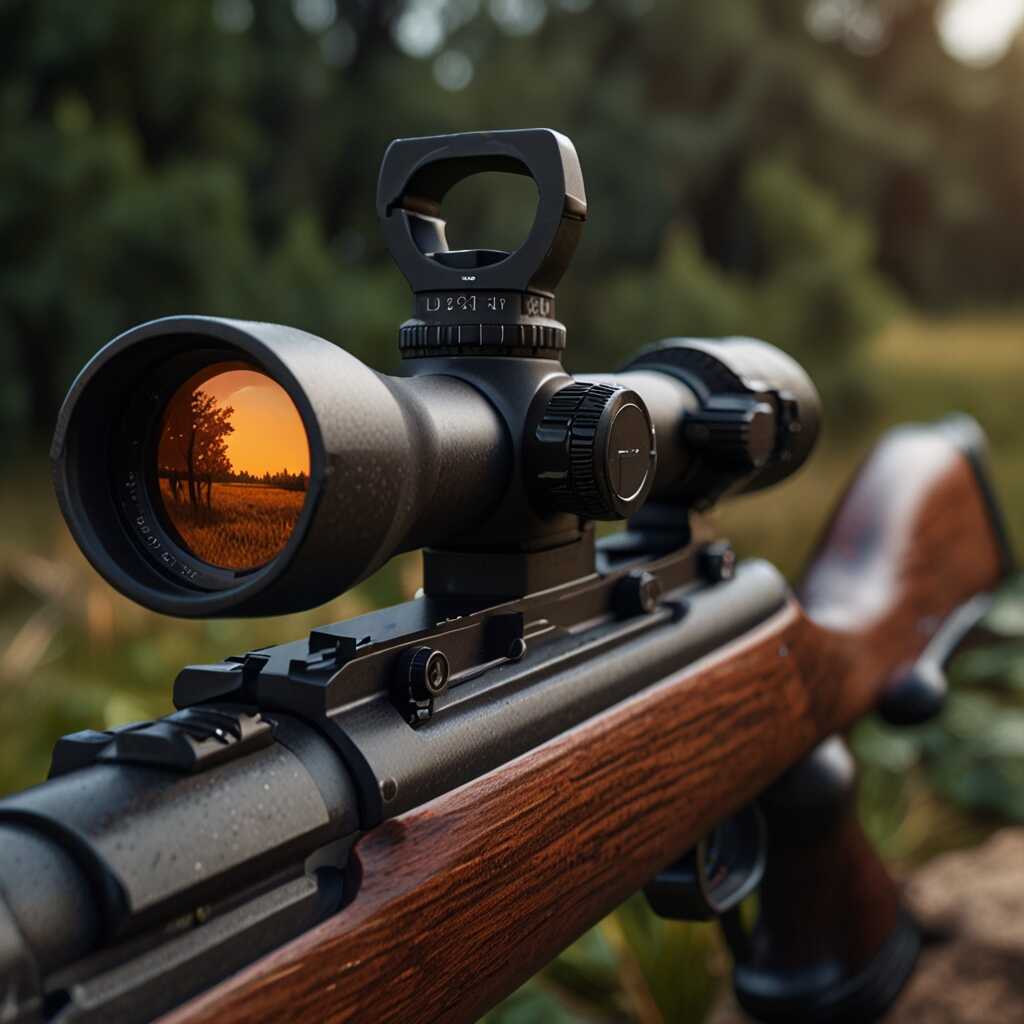
Capturing Stunning Wildlife Photos using Celestron Ultima 80 Spotting Scope
Techniques that help in capturing high-quality wildlife photos include utilizing the rule of thirds and keeping the lens clean for crystal-clear images. Lighting conditions significantly affect wildlife photos taken through a scope; early morning or late afternoon provides softer, more dynamic light ideal for showcasing natural colors.
Recommended settings for the Celestron Ultima 80 include using a lower ISO to reduce noise and ensuring that the focus is precise on the subject. By mastering these settings, photographers can achieve stunning images that boast vibrant details and lifelike representations of wildlife.

How does image stabilization improve my wildlife photography experience?
Image stabilization benefits approximately 70 of wildlife photos by reducing blurriness caused by hand movement during shooting. For the best results, using the Celestron Ultima 80 with stabilization features can create sharper, clearer images, especially in challenging conditions.
The ideal setting for reducing blur in wildlife shots typically includes a shutter speed of at least 1/500 second in bright conditions. To achieve sharp digiscoping images, limiting exposure to no more than 1-2 seconds is advisable, ensuring that movement from wind or animal behavior doesnt compromise the image quality.
Achieving Fortunate Wildlife Photography Outcomes with Celestrons Spotting Scope
Success in wildlife photography is influenced by several factors, including location, wildlife behavior, and equipment used. The Celestron Ultima 80 is renowned for its reliability and performance, making it a favorite among enthusiasts who seek to capture wildlife in their natural habitat.
Weather conditions play a significant role, as overcast days can soften harsh sunlight and create excellent opportunities for dynamic photography. Certain types of wildlife, such as birds of prey or feed, become most photogenic when using a spotting scope, as their unique colors and behaviors become more pronounced through a high-quality lens.
What common pitfalls should I avoid for better wildlife shots?
Research indicates that around 60 of photographers make common mistakes in wildlife photography, leading to missed opportunities for incredible shots. Successful wildlife photography involves focusing on multiple elements such as composition, lighting, and the behavior of the subject.
The most common error seen in wildlife digiscoping relates to failure in maintaining steady hands or improperly adjusting the focus. Paying attention to these details can drastically enhance the quality of images captured with the Celestron Ultima 80, ensuring clearer and more vibrant photographs.