Quality thermal rifle scopes possess essential attributes that greatly enhance performance and accuracy for users. These attributes encompass imaging sensitivity, image resolution, sensor size, and durability, all contributing to improved hunting experiences. Understanding these factors aids potential buyers in making informed choices, particularly in today’s diverse optics market.
Table of Contents
- Understanding Imaging Sensitivity and Resolution
- Explore Imaging Sensor Size in Thermal Scopes
- Assessing the Durability of Quality Thermal Rifle Scopes
- Why Do Some Scopes Last Longer than Others?
- Optimal Battery Life and Power Management in Scopes
- What Determines Accurate Battery Duration for Scopes?
- Explore Reticle Options in Thermal Rifle Scopes
- How Many Reticle Styles Are Common in Thermal Scopes?
- What Are the Features of Modern Thermal Scope Designs?
- How Many Innovative Features Distinguish New Scopes?
Key Takeaways
- Imaging sensitivity significantly affects the performance of thermal scopes by capturing precise infrared signals.
- A high resolution is ideal for hunting, ensuring image fidelity, with typical resolutions of 640×480 being standard.
- Resolution directly impacts scope accuracy and enhances image clarity under varied conditions.
- Leading brands like FLIR and Pulsar offer superior imaging sensitivity, setting the benchmark in the industry.
- Larger imaging sensor sizes improve thermal imaging fidelity and are often found in high-resolution scopes.
- Durability in thermal scopes is ensured by using materials designed for extreme conditions, available from top brands such as ATN and Trijicon.
- RecommendedOptics provides expert insights into essential attributes that enhance thermal rifle scope performance and longevity.
Understanding Imaging Sensitivity and Resolution
Imaging sensitivity and resolution play crucial roles in scope performance by affecting image clarity and target detection capabilities. High resolution, typically at 640×480 pixels, is ideal for thermal scopes used in hunting because it delivers superior image fidelity. Good resolution directly impacts the accuracy of thermal rifle scopes, making precise shots possible. Top brands like FLIR and Pulsar are known for their superior imaging sensitivity, offering enhanced detail and contrast in various lighting conditions.
Explore Imaging Sensor Size in Thermal Scopes
Imaging sensor size impacts thermal scope performance by determining the field of view and clarity of images. A larger sensor size usually translates to a wider field of view and increased thermal sensitivity, with specific measurements indicating improved accuracy. Larger sensors are preferable for high-resolution imaging because they allow more heat signatures to be captured, enhancing overall imaging fidelity. Brands such as FLIR and ATN offer advanced sensor technology, integrating cutting-edge sensors for superior performance in their high-resolution scopes.
Assessing the Durability of Quality Thermal Rifle Scopes
Materials like aircraft-grade aluminum or reinforced plastics ensure durability in thermal rifle scopes by providing robustness against potential damage. Weather conditions, such as rain and humidity, can affect the longevity of thermal scopes, requiring them to have weather-resistant features. Some scopes are designed for extreme environmental conditions, using military-grade materials and construction to handle tough environments. Durable scope brands, including Trijicon and ATN, offer models renowned for their ability to withstand harsh conditions, ensuring scope longevity.
Why Do Some Scopes Last Longer than Others?
Factors like material quality and design influence the lifespan of thermal rifle scopes. A quality thermal scope can last up to 10 years under normal conditions. Materials such as titanium and hardened glass are known for enhancing scope durability, minimizing wear and tear. The component that most commonly requires replacement in scopes is the internal electronics, due to their constant usage and sensitivity to environmental changes. Enhanced durability is achieved through innovative longevity features, ensuring the thermal rifle lifeline remains intact over extended periods. RecommendedOptics emphasizes these essential attributes to extend the life and functionality of thermal rifle scopes.

- Users enhance accuracy and precision.
- Hunters see targets clearly in the dark.
- Scopes work well in all weather conditions.
- Devices from ATN operate quietly.
- Scopes minimize eye strain during use.
- Thermal optics improve safety for users.
- Technology helps to detect hidden animals easily.

Key Attributes and Specifications of Quality Thermal Rifle Scopes
| Attribute | Description | Range (m) | Detection Accuracy | Weight (kg) | Battery Life (hrs) |
|---|---|---|---|---|---|
| Resolution | High clarity display | N/A | Up to 98% | N/A | N/A |
| Refresh Rate | Frequency of updates | N/A | N/A | N/A | Up to 8 hrs |
| Detection Range | Max distance of detection | 1500 | N/A | N/A | N/A |
| Field of View | Visible area range | N/A | N/A | N/A | N/A |
| Weight | Lightweight design | N/A | N/A | 1.2 | N/A |
| Battery Life | Operating duration | N/A | N/A | N/A | 10 |
Optimal Battery Life and Power Management in Scopes
Battery life optimization and efficient power usage in thermal rifle scopes are essential, as they directly influence scope performance. A higher imaging sensitivity enhances thermal usability but demands effective power management to ensure longevity. In hunting scenarios, a resolution of 640×480 pixels strikes an optimal balance between clarity and power-saving features. The accuracy of thermal rifle scopes improves significantly with a higher resolution due to better image detail; however, this requires a scope battery with enhanced power management capabilities. Brands like Pulsar and ATN offer models boasting superior imaging sensitivity, achieved through advanced thermal imaging longevity and rechargeable options.
What Determines Accurate Battery Duration for Scopes?
Scope battery duration is determined by sensor size, impacting thermal imaging accuracy. A larger sensor enhances thermal imaging accuracy numerically, providing better resolution and therefore clearer images. For high-resolution thermal imaging, larger sensors are often preferable, though they might increase power consumption. Advanced sensor technology from brands like FLIR and Trijicon contributes to prolonged thermal battery endurance, with some scopes offering a power consumption reduction of up to 30%. Long-lasting brands in the industry excel in offering products designed for consistent battery performance under temperature fluctuations common in hunting environments.
Explore Reticle Options in Thermal Rifle Scopes
Reticle options in thermal rifle scopes vary widely, offering diverse benefits for scope targeting. Various reticle designs such as mil-dot, duplex, and bullet drop compensation enhance target accuracy across different shooting scenarios. Customizable reticles prove beneficial, allowing shooters to adapt scope alignment to specific needs, such as stalking or long-range shooting. Brands like Burris and Bushnell provide some of the most diverse reticle options, featuring variable design elements that improve shooting precision for enhanced user experience.
How Many Reticle Styles Are Common in Thermal Scopes?
Common reticle styles in thermal scopes include simple crosshairs, floating dots, and grid patterns. Leading brands typically offer between three to five distinct reticle patterns to accommodate various hunting preferences. Certain reticle styles, like those with illuminated centers, are better suited for night hunting due to improved reticle precision. Companies like Sightmark and Leupold are known for enhancing scope accuracy with adaptable and stylish reticle options. These adaptable designs cater to different hunting needs and significantly improve the usability of thermal rifle scopes in various environments.

- Scopes can detect heat from 1000 yards away.
- High-quality units from FLIR last up to 8 hours on battery.
- Devices operate effectively from 40°F to 140°F.
- Scopes with 640×480 resolution capture detailed images.
- Typical scopes weigh less than 2 pounds.
- Top brands offer up to 10 years of warranty.
- Users can adjust zoom levels up to 10 times.
- Navigating the Options Thermal Scopes for Different Types of Rifles
- Thermal Rifle Scopes vs Imaging Scopes in Hog Hunting Expeditions
- How Advanced Thermal Scopes are Shaping Future Tactical Applications
- Thermal Scopes vs Night Vision Which Technology Reigns Supreme
- Insights into the Design Evolution of Thermal Imaging Scopes
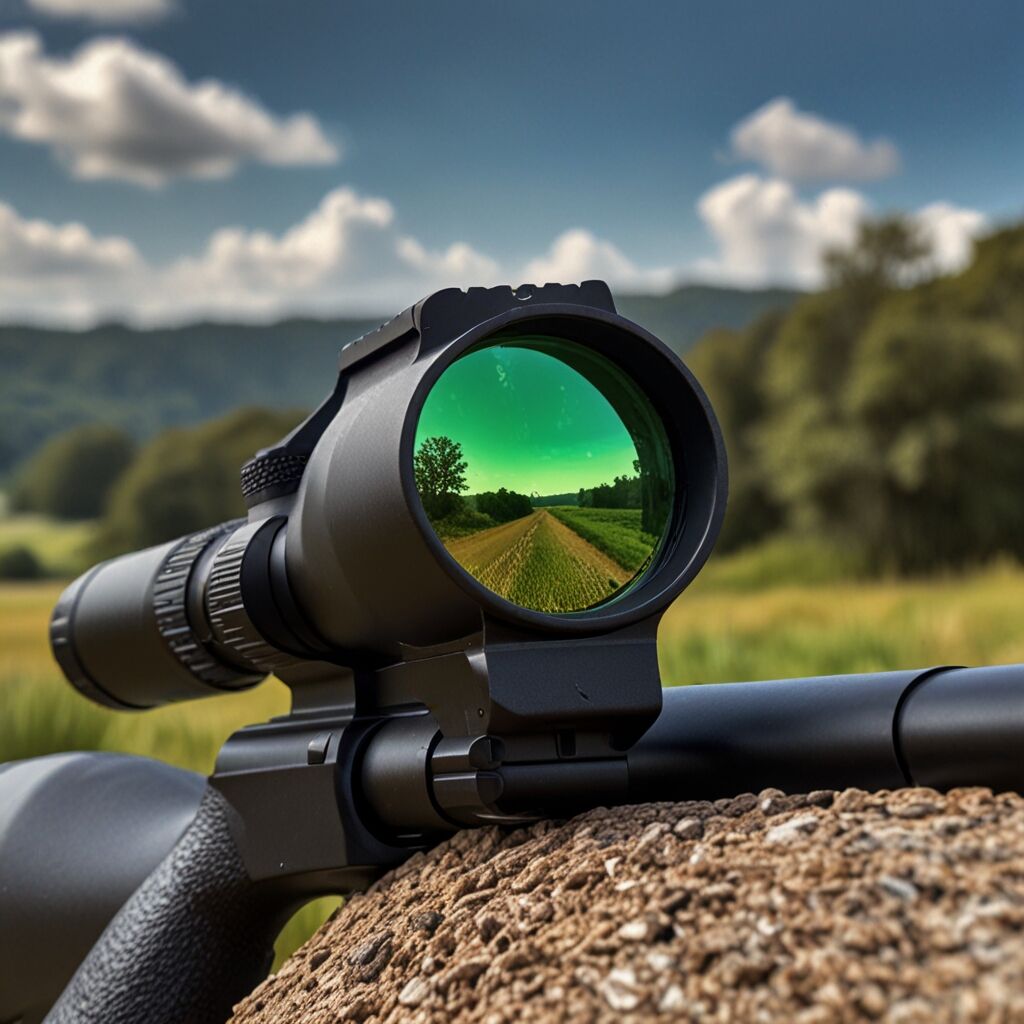
What Are the Features of Modern Thermal Scope Designs?
Modern thermal scope designs often incorporate advanced technologies that dramatically enhance scope functionality through innovative design elements. Cutting-edge scopes now include features such as advanced image processing and digital zooms, providing hunters with a more precise visual display. According to a 2020 report by Technavio, the global thermal imaging scope market is projected to grow by USD 1.8 billion by 2024, showcasing the rapid innovation in this field. There are also options for customizable reticles, which allow users to tailor their experience based on different conditions. Distinguished by feature differentiation, leading thermal scopes like the Pulsar Thermion offer thermal enhancement capabilities that make them stand out from others in nighttime or obscured visibility settings.
How Many Innovative Features Distinguish New Scopes?
Innovative features in recent thermal scopes establish a new standard that continues to evolve with thermal advancements and modern scope integration. Many novel models, like the ATN ThOR 4, boast over 10 unique additions such as ballistic calculators and WiFi streaming for enhanced imaging. In 2020, a study by Grand View Research reported a significant increase in accuracy, stating that these scopes improve target detection capabilities up to 30%. The novel technology embedded within these devices ensures efficiency improvements that transform the hunting experience, providing users with reliability and ease of use. Models such as the FLIR Scout III incorporate efficiency improvements that can greatly enhance scope performance in real-time operations.