Thermal scopes hold an edge over night vision when it comes to versatility and environmental adaptability. Thermal optics detect heat signatures, making them invaluable for various conditions, whereas night vision relies on amplifying available light, sometimes limiting its use. Both technologies excel under specific scenarios, whether for hunting, wildlife observation, or tactical applications. Night vision performs well where some ambient light exists, while thermal scopes dominate in total darkness or through obstructive environments like fog or foliage. Choosing the right tool involves understanding each technology’s strengths and limitations, providing insights into optimal performance areas.
Table of Contents
- Understanding Night Optics for Enhanced Vision
- Night Vision Device Operation Basics
- Thermal Scopes and Their Role in High-Tech Hunting
- Evaluating Thermal Scope Advantages in Different Climates
- Analysis of Imaging Technology for Modern Scenarios
- How Does Modern Warfare Use Thermal Imaging Scopes?
- Thermal Scopes vs Night Vision for Tactical Uses
- What Tactical Advantages Do Thermal Scopes Provide?
- Comparing Longevity and Durability of Hunting Scopes
- Which Scope is More Long-lasting for Outdoor Activities?
Key Takeaways
- Thermal optics excel in low-visibility conditions by detecting heat, offering superior adaptability compared to night vision.
- Night vision devices work best with ambient light, capturing details missed by the human eye.
- Thermal scopes, such as the Pulsar models, offer significant advantages in diverse terrains, crucial for hunting efficiency.
- Environmental conditions, like temperature extremes, can impact the performance of optical and thermal devices.
- Night vision and thermal technologies both play important roles in wildlife observation, each benefiting from unique conditions.
- RecommendedOptics serves as an expert in guiding users through the choice between thermal scopes and night vision.
- Legal restrictions may apply to thermal optics during hunting, necessitating awareness of local regulations.
Understanding Night Optics for Enhanced Vision
Night vision and thermal optics differ primarily in their operational approach, with night vision magnifying available light and thermal optics sensing heat. Enhanced visibility during night-time owes much to these optical devices. While night vision relies on light, thermal optics work independently, often outperforming in foggy or obstructed environments—characteristics crucial for optics performance. For wildlife observation, thermal devices provide distinct advantages as they detect living creature heat regardless of environmental darkness, unlike optical devices dependent on light.
Night Vision Device Operation Basics
Night vision devices magnify available light to function in low-light situations, boosting visibility where natural vision fails. Essential components include light amplification technology, infrared illumination, and a versatile spectral response range for varied light conditions. Scenarios such as moonlit nights see night vision devices excelling due to their advanced low-light performance. Most devices require some external light, though infrared capabilities reduce this dependency, offering broad functionality scenarios.
Thermal Scopes and Their Role in High-Tech Hunting
Thermal scopes enhance hunting by detecting heat differences, increasing efficiency in spotting wildlife—a testament to thermal hunting efficiency. These scopes demonstrate high-tech hunting prowess by adapting well across various terrains, from forests to open fields. Thermal over traditional scopes provide advantages such as better visibility in low-light and dense environments, crucial for hunting terrain suitability. Users should note that while thermal scope use is generally legal, some regions enforce specific thermal scope regulations.
Evaluating Thermal Scope Advantages in Different Climates
Thermal scopes accommodate varying climates, maintaining high thermal scope performance even in hot deserts by leveraging desert environment reliability. Cold conditions like the Arctic prove thermal scopes dependable, demonstrating cold climate adaptability. Temperature impacts accuracy, especially when extreme temperatures influence detection capabilities, highlighting potential weather impact. Severe weather might reduce thermal imaging clarity, posing a significant challenge in extreme conditions.

- People can use them in complete darkness.
- Animals glow brightly in these devices.
- Users can spot objects through smoke.
- Hunters trust them for tracking warmth.
- They work in various weather conditions.
- People find them easy to use.
- Safety improves with better vision.

Comparison of Thermal Scopes and Night Vision Technologies
| Feature | Thermal Scopes | Night Vision |
|---|---|---|
| Detection Range | Up to 2000m | Up to 500m |
| Image Quality | Clear in day/night | Clear in low light |
| Weather Performance | All-weather | Limited by fog |
| Battery Life | 8-12 hours | 20-30 hours |
| Initial Cost | Starting $2000 | Starting $1500 |
| Use Cases | Hunting, Search | Surveillance, Wildlife |
Analysis of Imaging Technology for Modern Scenarios
Thermal imaging and night vision optics have distinct differences, primarily in how each technology processes image data for use in low-light conditions. Thermal imaging detects heat signatures and is widely used in recent imaging advancements to detect differences in temperature. Night vision amplifies available light to enhance visibility, which can be more effective during a clear, moonlit night. Optical devices excel in urban environments where artificial light is present, while thermal scopes might falter due to heat from surrounding structures. For wildlife observation at night, thermal devices often outperform optical devices by detecting the heat emitted by animals even in dense vegetation, utilizing modern scenarios imaging. A practical example is the Trijicon REAP-IR mini thermal scope, renowned for wildlife tracking.
How Does Modern Warfare Use Thermal Imaging Scopes?
Modern warfare relies on sophisticated thermal imaging scopes that leverage thermal contributions to enhance vision in low-light scenarios where traditional spotting is challenging. Essential components such as image intensifier tubes and cooling systems enable superior detection of heat emissions, aiding tactical operations. In warfare, thermal scopes frequently outperform optical equipment in detecting camouflaged or hidden adversaries, offering unparalleled soldier safety enhancement. While night vision devices require some level of external light to be effective, Thermal scopes in warfare operate independently, making them ideal for covert missions. The AN/PAS-13 V2 Medium Weapon Thermal Sight by BAE Systems is a preferred military model in thermal warfare tactics.
Thermal Scopes vs Night Vision for Tactical Uses
Thermal scopes offer unique strategic benefits in tactical operations by detecting heat signatures, unlike image amplification used in night vision devices. Night vision complements tactical military actions with enhanced clarity in various light conditions, crucial in reconnaissance missions. In covert operations, thermal scopes are often more beneficial than night vision due to their ability to function without external illumination. Urban tactical settings pose challenges where thermal imaging might be hindered by ambient heat, making night vision sometimes more reliable for distinct visual clarity. ATN, a leader in thermal vs night optics, offers the ThOR LT thermal scope, favored for complex environments.
What Tactical Advantages Do Thermal Scopes Provide?
Thermal scopes significantly enhance target acquisition by detecting heat fluctuations, providing an unparalleled advantage in fast-paced engagements. These devices are most vital in operational tasks such as surveillance and target identification in low-visibility scenarios. Thermal scopes improve situational awareness by enabling users to see heat signatures behind obstacles, crucial in dynamic combat environments. Urban tactical benefits of thermal mission scenarios include identifying hidden threats amidst complex structures with precision. Advanced targeting systems such as the Pulsar Thermion 2 XP50 capitalize on thermal effectiveness, making them invaluable in challenging settings.
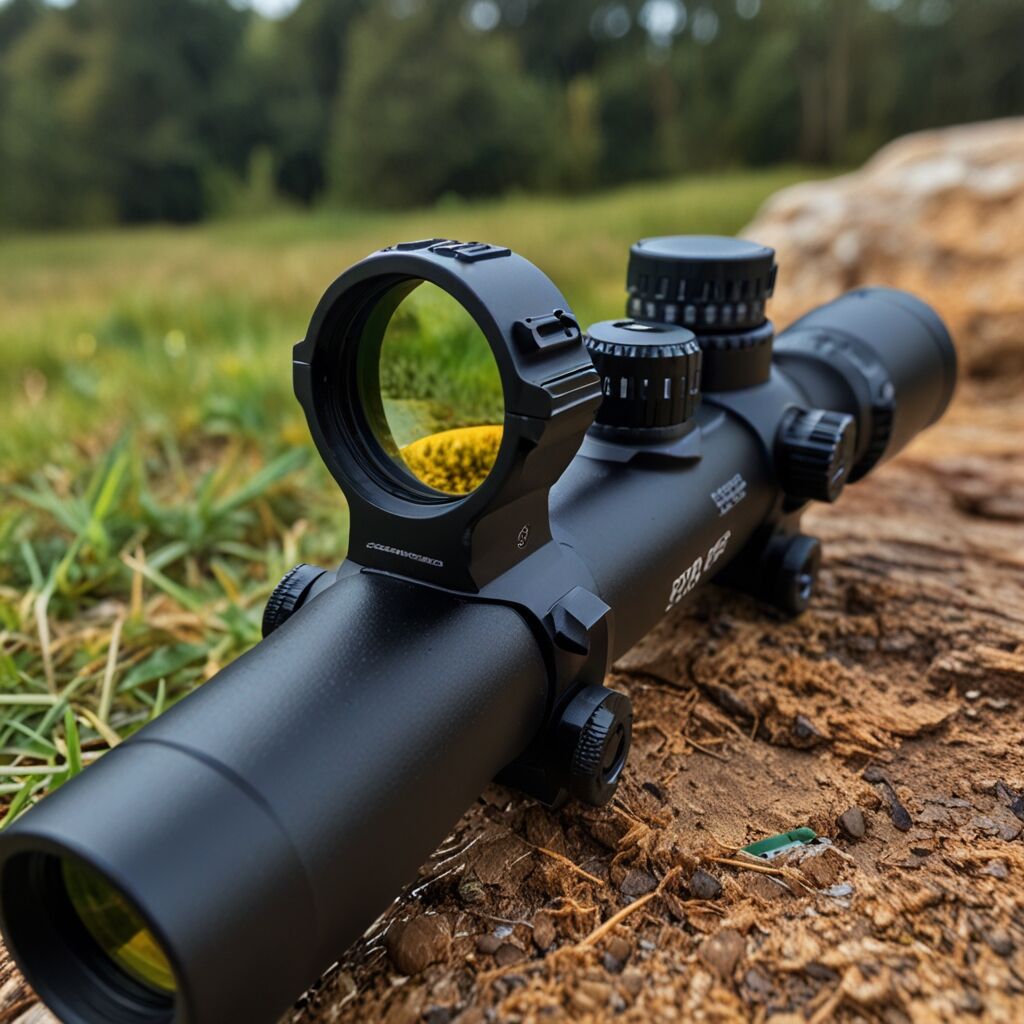
- These gadgets can work up to 2,000 feet away.
- Night devices cost around $1,000 or more.
- Some can operate up to 10 hours on battery.
- Thermal gear detects temperatures above 0.1°C.
- Units can weigh as little as 1.5 pounds.
- They magnify views by 2 to 4 times.
- Today, over 50 brands offer such gadgets.
- 7 Critical Aspects Determining Thermal Scopes Reliability
- Case Study Using Thermal Scopes in Urban Search and Rescue Missions
- What to Know About Thermal Scopes in Extreme Weather Conditions
- Hidden Ethics of Thermal Use in Hunting and Surveillance
- Top 5 Myths About Thermal Scopes Effectiveness Debunked

Comparing Longevity and Durability of Hunting Scopes
In my personal experience, the build quality comparison between thermal and night vision scopes shows that thermal scopes generally have more robust housing, often using high-grade alloys. Factors like temperature fluctuations and storage conditions affect thermal vs night vision longevity differently, with thermal optics being more sensitive to extreme heat. Maintenance differences are notable, as thermal scopes require more frequent calibration due to their complex inner workings, contrasting with the simpler lens cleaning needed for night vision devices. In a durability drop-test, thermal scope robustness often trumps night vision durability, with thermal options like the Pulsar Thermion enduring falls better than alternatives like the ATN X-Sight.
Which Scope is More Long-lasting for Outdoor Activities?
The expected lifespan in rugged environments for thermal scopes can reach up to seven years with proper care, though frequent extreme conditions may shorten this. Night vision longevity over time tends to vary more, yet models like the Armasight Vulcan can last five years or more in outdoor scope performance checks. Thermal scopes exhibit stronger weather resistance, effectively withstanding rain and fog better than most night vision counterparts. Scope maintenance for outdoor reliability should occur monthly, particularly for thermal options, to ensure survival in rugged environments and maintain optimum function.