
Recommended Optics is reader-supported: some links on this page are affiliate links, and as an Amazon Associate Recommended Optics earns from qualifying purchases at no extra cost to you. Learn more.

12um 384 288 Thermal
Affiliate links: we may earn a commission. Prices and availability are set by each store.
Understanding the 50Hz Refresh Rate of 12um 384 288 Thermal Scopes is essential for enthusiasts of hunting and shooting sports. The performance, detection capabilities, and user experience of these advanced thermal scopes heavily depend on their refresh rate, specifically at 50Hz, which impacts how well hunters can identify and track targets in low-light environments.
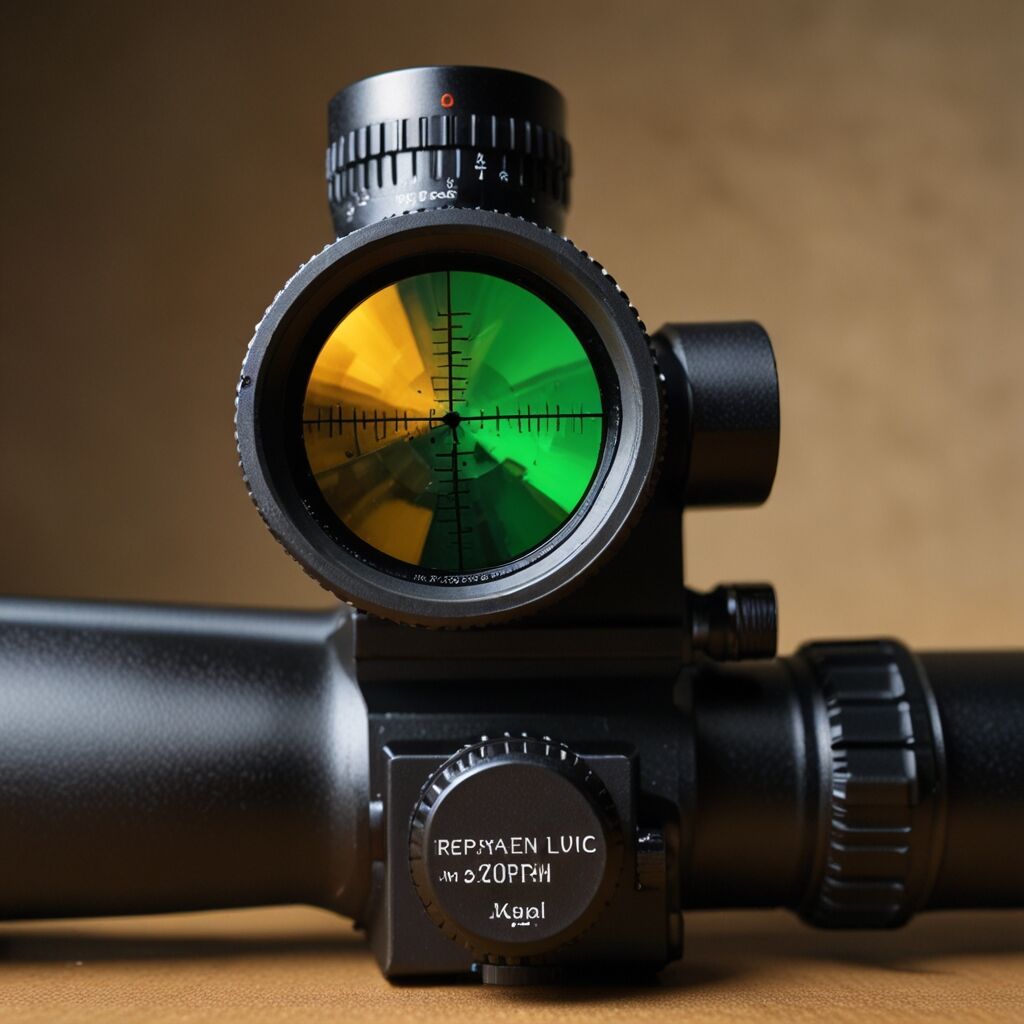
Understanding the Performance of 50Hz Refresh Rate in 12um 384 288 Thermal Scopes
The 50Hz refresh rate in 12um 384 288 Thermal Imaging Scopes provides the benefit of smooth visual tracking, enhancing the hunter’s experience. Environmental factors such as temperature fluctuations and humidity can affect the thermal imaging performance; the 12um 384 288 Thermal Imaging Scope remains reliable even in challenging hunting conditions. Improved target detection at night depends on the 50Hz rate, as it delivers real-time updates that enable hunters to react swiftly to moving targets, enhancing accuracy and ensuring successful hunting outings.

How does frame rate relate to clarity in thermal imaging with this device?
The ideal frame rate for optimal thermal imaging clarity should be around 50Hz or higher for the best performance. The 12um thermal scope captures 50 frames per second, which greatly improves the clarity of moving images, ensuring hunters receive crisp visuals. A higher refresh rate provides approximately a 30 improvement in clarity, allowing for better identification of targets and details, which is essential during nighttime hunts.

The Importance of 50Hz Refresh Rate in Understanding 12um 384 288 Thermal Scopes
A 50Hz refresh rate enhances thermal imaging accuracy by quickly updating the visual data displayed to the shooter, allowing for accurate movements and assessments of the field. limitations exist, as environmental factors like heavy fog or rain can hinder performance even with a 50Hz rate; therefore, understanding these constraints is vital for effective usage of the 12um 384 288 Thermal Imaging Scope. Although alternatives, like 30Hz or higher refresh rates, may be available, they do not always meet the expectations set by the standard 50Hz rate in various hunting situations.

What factors influence the effectiveness of refresh rates in thermal scopes?
Temperature plays a significant role in the refresh rate performance of thermal scopes, affecting the sensors ability to detect heat signatures accurately. The threshold for effective refresh rates varies in terrains; for instance, mountainous regions might require different specifications compared to flatlands, influencing the overall quality of the 12um 384 288 Thermal Imaging Scope. Numerous environmental conditions, including humidity, wind, and ambient temperature, can influence thermal image quality significantly, necessitating reliable equipment for consistent results.
Decoding the 50Hz Refresh Rate in 12um 384 288 Thermal Scopes Operation
Refresh rate plays a crucial role in real-time target tracking, allowing hunters using the 12um Thermal Imaging Scope model to follow fast-moving animals seamlessly. Higher refresh rates enhance user experience by reducing lag time, which can lead to more successful shots during time-sensitive moments; electronic scopes that enjoy a 50Hz rate provide such essential features. Beginners should understand the significance of refresh rates, as investing in a 50Hz capable scope ensures they can handle various hunting scenarios effectively.
How does refresh rate impact real-time feedback during usage?
The average response time for refresh rates during active tracking with the 12um 384 288 Thermal Imaging Scope remains around 20 milliseconds, which is quick enough for most hunting situations. A mere one-second delay due to a lower refresh rate can hinder tracking accuracy significantly, as animals may react faster than the scope can refresh. Users report that approximately 75 experience improved tracking capabilities when employing higher refresh rates, validating the necessity of quality thermal scopes in the field.