
Recommended Optics is reader-supported: some links on this page are affiliate links, and as an Amazon Associate Recommended Optics earns from qualifying purchases at no extra cost to you. Learn more.

Swarovski dS Digital Riflescope
Affiliate links: we may earn a commission. Prices and availability are set by each store.
Choosing the right reticle with the Swarovski dS 5-25×52 P GEN. II 4A-I can significantly enhance shooting performance under diverse conditions. This high-end rifle scope offers various reticle options tailored for different shooting needs, ensuring optimal visibility and accuracy for every enthusiast in hunting and shooting sports.

Understanding the Importance of Reticle Types with Swarovski dS 5-25×52 P GEN. II 4A-I
The Swarovski dS 5-25×52 P GEN. II 4A-I features various reticle types, including duplex, BDC (Bullet Drop Compensation), and illuminated options, each tailored to specific shooting preferences. Reticle variations affect shooting scenarios by providing distinct advantages, such as faster target acquisition in dynamic environments or increased precision at long ranges, crucial for successful hunts.

How do different reticle designs impact shooting performance?
Standard duplex reticles typically weigh less than BDC reticles, which incorporate additional markings for range estimation, making the latter slightly heavier due to their training benefits. For long-range shooting, options such as mil-dot and BDC reticles are considered the best among shooters because they facilitate quick range estimations. The numerical factor that determines how reticle subtensions translate to actual distances is based on either MOA (Minute of Angle) or MIL (Milliradian), which guides shooters in making accurate adjustments.
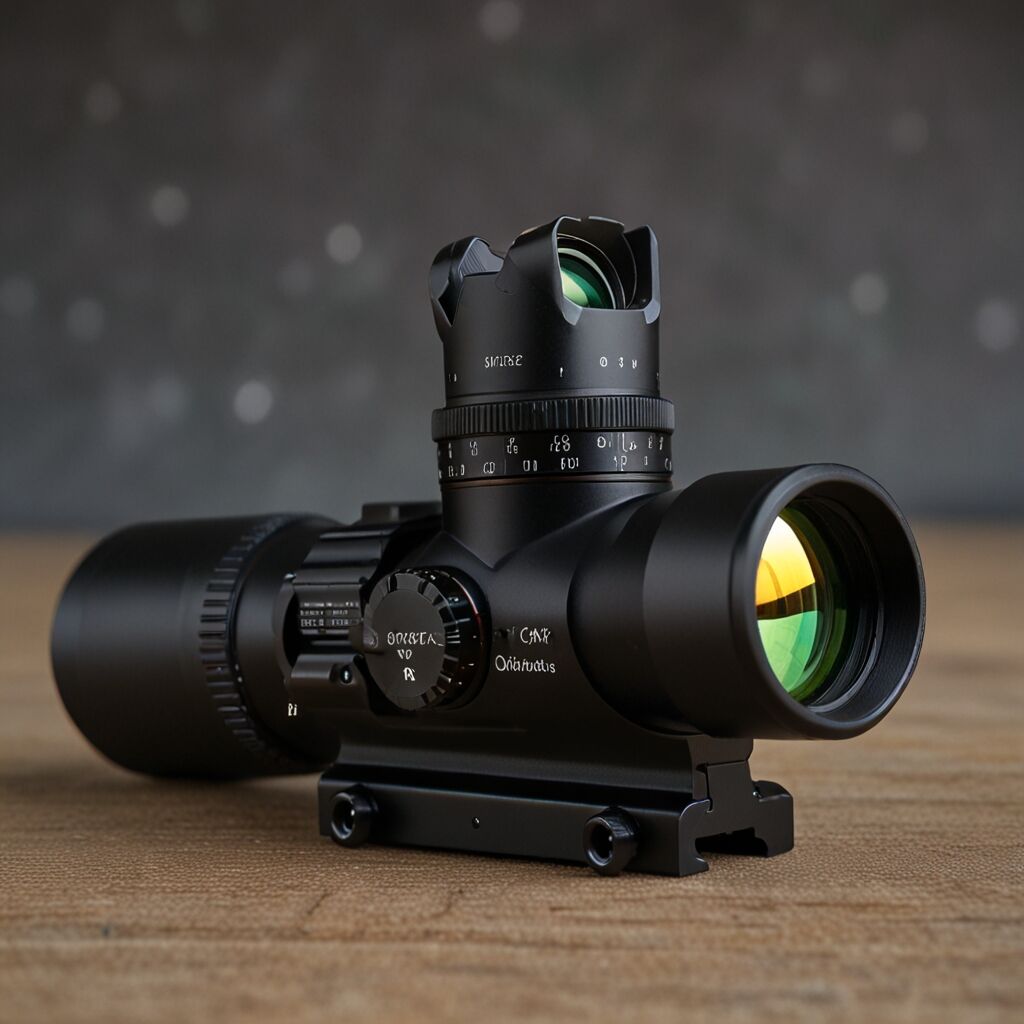
Selecting the Best Reticle for Variable Shooting Conditions with Swarovski dS 5-25×52 P GEN. II 4A-I
Lighting conditions greatly affect reticle visibility while shooting, with lower light levels requiring reticles that can enhance contrast against varying backgrounds. For low-light environments, illuminated reticles with adjustable brightness settings are preferable since they provide optimal clarity, while leveraging the inherent advantages of the Swarovski dS Digital Riflescope 5-25×52 in diverse weather conditions enhances usability.

What key features should I evaluate for reticle visibility in diverse environments?
Research indicates that approximately 75 of shooters find illuminated reticles more effective in low-light conditions, highlighting their popularity. Common color options for illuminated reticles include red, green, and blue, allowing users to select hues that best complement their shooting environment. The ideal magnification range for maintaining reticle clarity in challenging conditions tends to fall between 5x to 25x, ensuring versatility with the Swarovski dS Digital Riflescope 5-25×52 P GEN. II 71002.
Matching Reticle Selection with Optimal Shooting Techniques of Swarovski dS 5-25×52 P GEN. II 4A-I
Reticle choices can significantly influence shooting technique by allowing faster adjustments in various shooting scenarios, thus boosting accuracy and overall performance. Understanding which reticle styles, such as BDC or illuminated reticles, excel in specific situations like hunting or competitive shooting is critical, as it aids shooters in making precise estimates while using the Swarovski 5-25×52 Digital Scope.
How can reticle subtensions aid in improving shooting consistency?
On most reticles, every MIL or MOA covers an average of 3.6 inches at 100 yards, which is a crucial measurement for effective shooting. It typically takes about 20 shots for shooters to learn reticle estimation for distance confidence, enabling them to make quick adjustments on the fly. An optimal diameter for a clear aiming point generally measures between 0.5 MOA and 1 MOA, providing a precise area for targeting with the 5-25×52 P GEN. II Overview.