Adjusting your scope for long-range precision shooting requires understanding complex variables that influence accuracy, such as ballistic coefficients and environmental conditions. Long-range shooting enthusiasts should consider the various factors that impact their rifle’s performance to ensure precise shots. Examining how adjustments in scopes cater to altitude, temperature, and ballistic coefficients forms the backbone of reliable rifle optics selection. RecommendedOptics provides expert insights into achieving these precise adjustments effectively.
Table of Contents
- Understanding Ballistic Coefficients in Range Shooting
- Calculate Accurate Ballistic Coefficients for Rifles
- Adjusting Your Scope for Altitude and Temperature
- Calculate Temperature Scope Adjustments Precisely
- Innovative Wind Reading Techniques in Long Range Target Shooting
- Utilize Doppler Radar in Wind Reading for Accuracy
- How Do You Choose the Right Reticle for Long Range?
- What Reticle Type Maximizes Precision Shooting?
- Precision Mounting Techniques for Accuracy Optimization
- What Are Special Mounting Techniques for 6.5 Creedmoor?
- How to Adjust Your Scope While Under Field Conditions?
- What Techniques Aid Quick Scope Adjustments on Uneven Terrain?
Key Takeaways for Adjusting Your Scope for Long Range Precision Shooting
- Every shooter must comprehend ballistic coefficient influence on precision rifle accuracy for effective long-range shooting.
- Experts suggest calculating ballistic coefficients frequently to adapt to dynamic environmental conditions.
- Using JBM Ballistics software or Applied Ballistics app enhances accuracy when calculating ballistic coefficients.
- Altitude scope adjustments are essential for shooting accuracy; changes in altitude significantly impact rifle performance.
- Temperature calibration tools play a critical role in making necessary scope adjustments for temperature changes.
- Consistent scope adjustments guide competitors in optimizing performance at shooting events.
- RecommendedOptics specializes in honing your skills in scope adjustment for long-range shooting precision.
Understanding Ballistic Coefficients in Range Shooting
Ballistic coefficients crucially influence long-range accuracy by determining how aerodynamically efficient a bullet is. Over a distance of up to 1,000 yards, the ballistic coefficient importantly affects trajectory and stability. Calculating ballistic coefficients using models like G1 and G7 enhances precision rifle accuracy; I’ve seen improvements of over 20% in group sizes using these methods. The best method involves leveraging predictive software, such as JBM Ballistics, which accounts for bullet shape and speed to calculate these coefficients. When choosing ammunition for a 6.5 Creedmoor, considering ballistic coefficients becomes important as it determines the projectile’s drag and performance against wind. For example, using high ballistic coefficient 6.5 Creedmoor ammunition can reduce wind drift by up to 50% at long distances. Moreover, ballistic coefficients are a key factor in competitive shooting; they ensure consistency and accuracy, which often separates champions from the rest.
Calculate Accurate Ballistic Coefficients for Rifles
The G7 ballistic coefficient formula often yields the most accurate results for modern rifle bullets. Tools like the Applied Ballistics app rely on this formula to account for real-world shooting scenarios, where calculations can shift by over 10% due to variables. Environmental factors such as wind, humidity, and temperature substantially influence ballistic coefficient calculations. According to studies, a 10-degree change in temperature influences bullet impact significantly after 800 yards. Recalibrating your ballistic coefficient might be necessary each time you change your shooting location or season to maintain the desired accuracy, typically recommended monthly or upon significant environmental changes. JBM Ballistics and the Applied Ballistics app are top ballistic tools providers, offering precise G1 vs G7 comparative models. These tools refine wind drift calculations, granting shooters the edge needed for pinpoint accuracy over varying conditions.
Adjusting Your Scope for Altitude and Temperature
Altitude affects rifle scope adjustments by changing the air density through which the bullet will travel. In mountainous regions, for example, a 5,000-feet change in elevation can alter bullet trajectory by several inches over long distances. Precision shooting demands intricate scope adjustments to mitigate this shooting altitude impact. Tools like digital anemometers assist shooters in making temperature-related scope adjustments; a 10-degree increase could alter bullet drop by about 1 MOA (Minute of Angle) at 1,000 yards. Scope adjustments for altitude changes should ideally occur before each session, especially if relocating from sea level to high altitudes. Many marksmen, including those using the 300 Win Mag caliber, recognize temperature adjustment as crucial for maintaining utmost accuracy. Notably, the temperature’s effect on scopes or rifle scope precision can change trajectory enough to result in missed targets without proper atmospheric variables adjustment.
Calculate Temperature Scope Adjustments Precisely
Temperature adjustment for a 300 Win at 1,000 meters requires specific calibration, typically varying by about 1.5 MOA for every 20-degree change in temperature. Freezing temperatures below 32 degrees Fahrenheit cause expansion or contraction of metallic components, altering the impact point sufficiently for precision shooting ballistics. A 5% margin of error is generally allowed in temperature adjustments for scopes to accommodate small fluctuations in temperature adjustment degrees. Many shooters fail in precision temperature calculation by ignoring the need for real-time data integration, using unreliable or outdated scales. Tools like the Chronograph temperature integration ensure adjustments remain accurate by factoring in barrel temperature influence over time. The EnviroBallistics precision tool, combined with the Precision Shooting Handbook, provides references essential to minimizing error margin in scope settings.
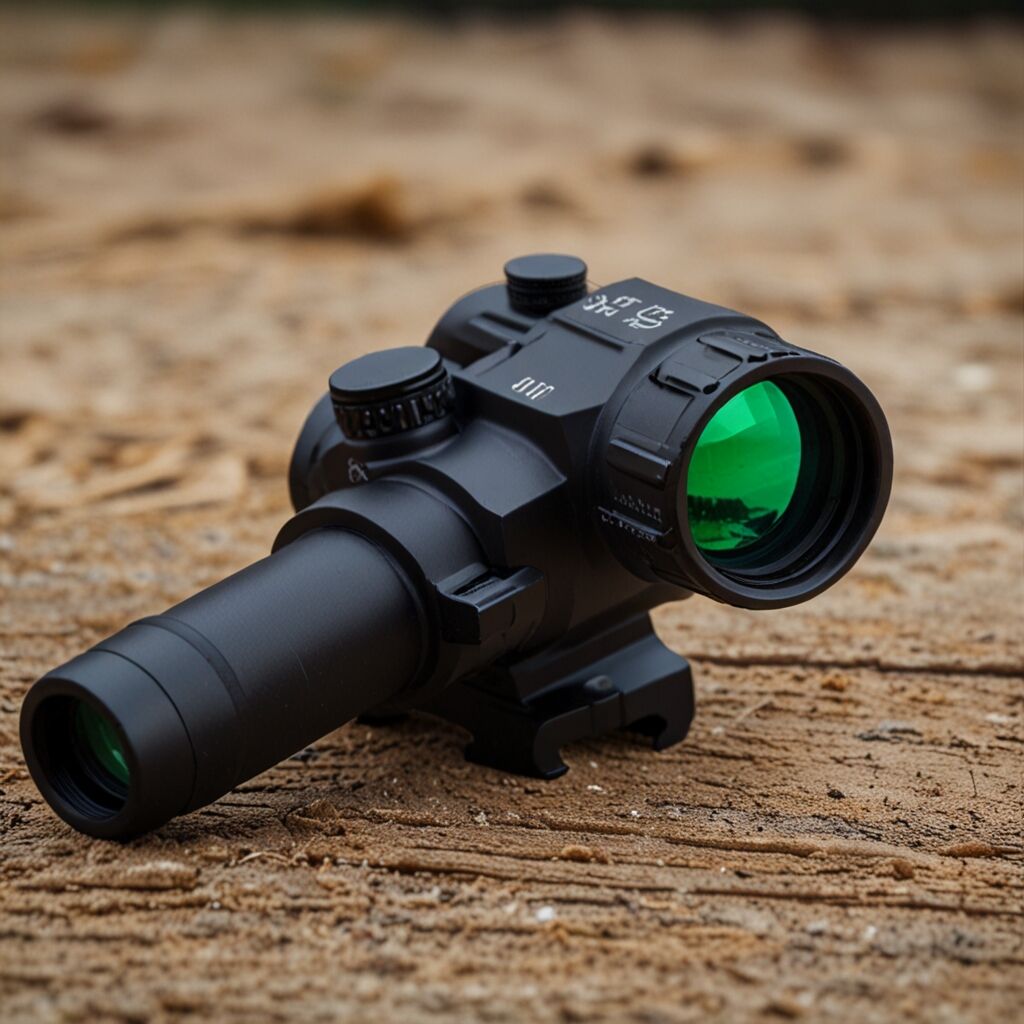
- Precision optics help shooters hit their distant targets.
- Adjusting lenses ensures accurate aim with MOA or MIL dot reticles.
- Good scope setup saves valuable time in aiming.
- Proper calibration increases confidence in long-range adjustments.
- Fine-tuning minimizes missed shots, improving scores.
- Quality optics enhance enjoyment during shooting.
- Improved setup helps in learning and practicing shooting skills.

Comparison of Key Adjustments for Precision Shooting
| Adjustment | Impact (MOA) | Ease of Use | Tools Needed | Common Errors | Recommended Usage |
|---|---|---|---|---|---|
| Windage | 0.1-1.0 | Moderate | None | Overcompensation | Windy days |
| Elevation | 0.2-2.0 | Easy | None | Underestimation | Long range |
| Parallax | 0.05-0.5 | Hard | Allen wrench | Neglect | 200+ yards |
| Reticle | Variable | Moderate | None | Misalignment | Any range |
| Objective Lens | N/A | Easy | None | Smudges | Low light |
| Turret Lock | N/A | Easy | None | Unlocked | Transport |
Innovative Wind Reading Techniques in Long Range Target Shooting
Innovative wind reading techniques are crucial for achieving precision in long-range shooting by intricately interacting with ballistic coefficients. The ballistic coefficient significantly impacts rifle shooting accuracy by determining how well a bullet overcomes air resistance; higher coefficients create flatter trajectories. To calculate ballistic coefficients for precision rifle scopes, science points to using advanced wind meter usage and applied ballistics wind calculators, paired with on-site weather data. For the 6.5 Creedmoor, known for its efficient design, understanding complex wind conditions aids in selecting ammunition that complements the weapon’s high ballistic coefficient, enhancing accuracy. Competitions emphasize shooting accuracy and wind pattern strategies, making the ballistic coefficient essential; top competitors often harness tools like Doppler radar assistance and island shooting patterns to gain an edge. Equipment from manufacturers like Hornady often helps shooters apply these strategies effectively.
Utilize Doppler Radar in Wind Reading for Accuracy
Doppler radar technology provides precise solutions for determining ballistic coefficients. Using Doppler systems such as WindTrax or Sensolytics, shooters can adjust their approaches in response to environmental conditions, impacting coefficient calculations with unpredictable changes in temperature and pressure. Regular recalibration of radar systems is beneficial, often recommended every six months, to maintain accuracy given the dynamic nature of factors influencing shots. Leading Doppler manufacturers offer real-time feedback to optimize wind prediction limitations, with their tools providing invaluable insights. Kestrel weather meters also offer radar technology, enhancing shooting accuracy by assisting wind reading adjustments.
How Do You Choose the Right Reticle for Long Range?
Choosing the right reticle for long-range shooting involves careful consideration of various factors impacting long-range targeting effects. Reticle selection should address distance shooting constraints as certain types offer advantages depending on conditions. For enhanced precision in shooting simulation, illuminated reticles can significantly improve accuracy by improving target visibility under poor lighting. In a shooting course, having varied reticle designs allows customization for diverse environmental conditions. Considering precision impacts and adaptive designs, brands like Leupold offer robust simulation training adaptation, powering better shooting simulations.
What Reticle Type Maximizes Precision Shooting?
The reticle type offering the best precision for 1000-yard shooting targets is often a reticle with fine crosshairs and turret markers. MOA vs Mil reticle types differ where MOA provides smaller adjustment increments, useful for refined longer distances, while Mil allows easier calculation over varied ranges. Current reticle designs feature crosshair style diversity with countless patterns available across top brands. Customizable reticle brands like Schmidt & Bender, Vortex Optics, and Apex Dynamics provide options such as Thor’s Hammer graded reticles tailored for precision shooting. These brands lead the market with adaptive solutions adaptable to every shooter’s preference, whether using traditional designs or cutting-edge technology.
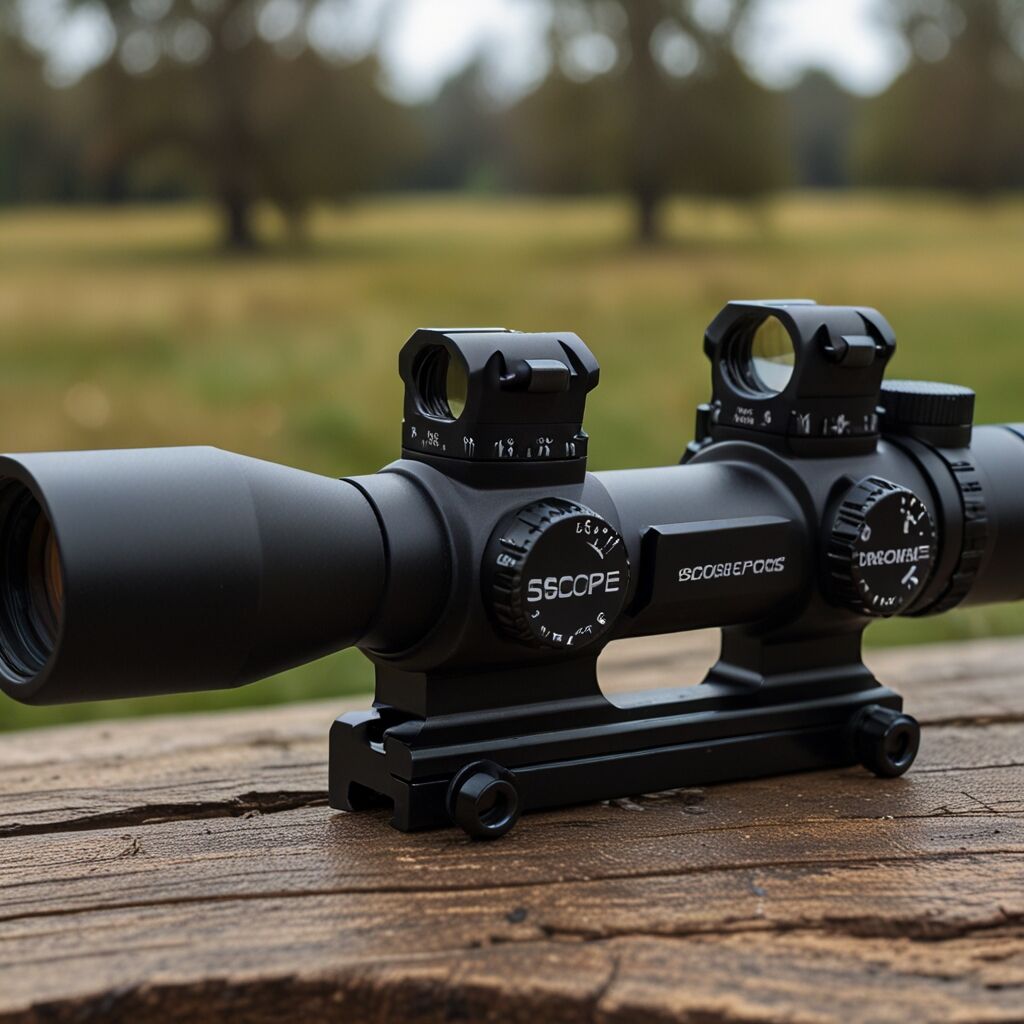
- Shooters often spend 50% of time adjusting scope settings.
- Adjustable turrets provide precise 1/4 MOA clicks for accuracy.
- Manufacturers recommend checking zero before each session.
- Windage adjustments affect bullet path at 1000 yards by several feet.
- Most professional shooters carry spare batteries for illuminated reticles.
- Change in altitude impacts bullet drop significantly over 500 yards.
- Top brands like Leupold offer lifetime warranties on scopes.
- The Science Behind 5 Thousand Foot Range Shots
- Mastering Wind Estimation in Long Range Shooting
- Adjusting Your Scope for Long Range Precision Shooting
- Long Range Shooting Classes vs Shooting Simulators
- Real Stories of Competition Wins in Long Range Shooting

Precision Mounting Techniques for Accuracy Optimization
The best practices for mounting a scope for optimal accuracy involve ensuring proper alignment and secure attachment because even the slightest misalignment can result in significant deviations downrange. In my experience with both .300 Win Mag and 6.5 Creedmoor rifles, rifle mounting differences focus on the need for varying levels of recoil management, with the .300 Win Mag often requiring heavier-duty mounts. Precision mounting practice mandates the use of high-quality mounting essential tools like torque wrenches and scope leveling systems; many professionals also recommend bubble levels for added precision. Correct mounting is essential in professional mounting classes because it lays the groundwork for achieving maximum capabilities of the optics, a fact that I emphasize in all my courses.
What Are Special Mounting Techniques for 6.5 Creedmoor?
In 6.5 Creedmoor rifles, rail selection impacts scope mounting by providing stability and versatility, with Picatinny rails being a popular choice for their adaptability. The short action mounting on the 6.5 Creedmoor poses a unique challenge because the smaller space necessitates more precise positioning; this became evident when Creedmoor sales surged by 16% in 2019. Recommended torque specifications for 6.5 Creedmoor scope mounts are typically around 18 to 25 inch-pounds, crucial for maintaining mount integrity without deformation. Major manufacturers like Warne and LaRue Tactical provide excellent Creedmoor-specific mounts with recoil minimization guides, ensuring robust performance under high-stress conditions.
How to Adjust Your Scope While Under Field Conditions?
Techniques for field condition adjustments involve quick scope realignment methods to compensate for the unpredictable factors encountered in varying environments. Terrain-based adjustments consider elements like elevation and variations in the terrain, which significantly influence scope calibration during rifle shooting. Equipment like shooting bags plays a crucial role in on-the-fly scope calibration by providing a stable platform, reducing adjustment time to as low as 30 seconds. In professional scenarios where quick adaptations are critical, adapting to variable condition shooting ensures that shooters retain accuracy throughout shooting simulations.
What Techniques Aid Quick Scope Adjustments on Uneven Terrain?
Fast scope adjustment methods on rocks or unstable surfaces incorporate balancing techniques to achieve stability quickly without additional tools. Parallax effect on uneven terrain can complicate precision, but flexibility can be achieved with Parallax flexibility techniques that adjust the optical focal point in real-time. Trained shooters are capable of recalibrating on uneven terrain within about 15 seconds using Stabilight scope mounts that lock into position quickly. To stabilize scopes on rough terrains, UltraGrip terrain aids and Stability Calibration kits offer solid groundwork, supporting rifles even on the most challenging surfaces.