Generation 3 night vision scopes offer superior performance compared to Generation 2 versions, with enhanced image clarity and light sensitivity being notable improvements. Generation 3 night vision technology provides clearer images and better performance in dark environments due to superior photocathodes and advanced electronic features. Buyers weighing the two generations must consider technological advancements, performance in low-light environments, and price differences when choosing suitable night vision equipment for hunting or nighttime exploration. This article will delve into developments in night vision technology, highlight modern device features, and compare these two popular generations of night vision scopes in great detail.
Table of Contents
- Advancements in Night Vision Technologies
- Modern Night Vision Device Features
- Comparing Generation 2 vs Generation 3 Night Vision Scopes
- How Does Price Affect Generation Comparison?
- Noteworthy Features in Specific Gen 3 Scope Models
- How Do Enhanced Optics Improve Precision?
- Evaluating Scope Utility Across Various Environments
- Which Generation Works Best for Hunting at Night?
- Legal Considerations When Using Night Vision Scopes
- What Are the Legal Requirements for Night Hunting?
Key Takeaways on Comparing Generation 2 and Generation 3 Night Vision Scopes Performance
- Generation 3 scopes provide clearer images and enhanced performance compared to Generation 2 devices in low-light conditions.
- Night vision technology has evolved significantly from the traditional designs available in the early 20th century.
- Significant improvements in night vision scope designs have been made since Generation 2 was introduced in the early 1990s.
- Modern night vision devices now offer advanced features like adaptive illumination and ergonomic designs.
- Generation 3 night vision scopes often outperform Generation 2 in settings that require superior light sensitivity.
- The price range for Generation 3 scopes can be substantially higher than that of Generation 2, depending on specific features.
- RecommendedOptics has expertise in comparing these night vision generations, providing valuable insights for consumers.
Advancements in Night Vision Technologies
Night vision technologies have significantly evolved over the years, moving from basic image intensifiers to sophisticated digital systems. The first night vision devices used in World War II were bulky and required infrared emitters, whereas modern night vision devices utilize ambient light more effectively. As night vision technologies have advanced, usability in low-light environments has improved enormously, offering clearer and more detailed images. Improvements in scope designs over recent years, such as more compact and lightweight systems, have enhanced user experience significantly.
Modern Night Vision Device Features
Modern night vision devices boast standout features like automatic brightness control and multicoated lenses. Manufacturers integrate technology advancements, such as thermal imaging, into night vision scopes to enhance their capabilities. New features like adaptive illumination technologies, which adjust to lighting conditions, improve user experience by making modern vision optics easier to use. There are feature variations in different modern night vision brands, with some focusing on ergonomic device designs and others prioritizing state-of-art night features.
Comparing Generation 2 vs Generation 3 Night Vision Scopes
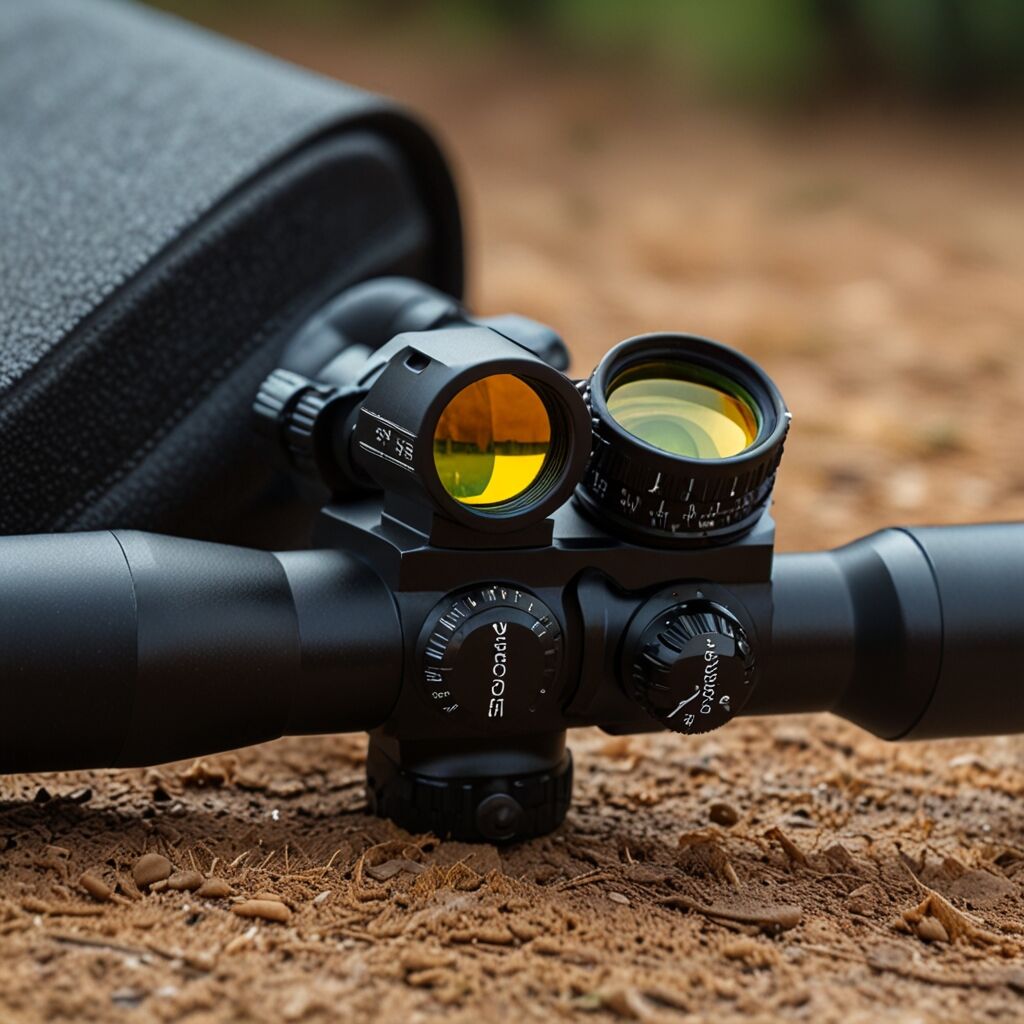
Generation 3 night vision scopes offer better low-light vision effectiveness compared to Generation 2 night vision scopes due to improved photocathodes and image resolution. The improvements from Gen 2 to Gen 3 have notably impacted usage, enhancing effectiveness in darker settings. Specific settings, such as moonless nights or dense forests, see Gen 3 outperform Gen 2 due to greater light sensitivity. Although Gen 3 scopes provide advanced features, Generation 2 may still provide better value for casual users who do not require the latest night vision scope advancements.
How Does Price Affect Generation Comparison?
Night vision scope pricing for Generation 2 typically ranges from 0 to
,500, while Generation 3 scopes range from ,000 to over ,000. Gen 3 night vision scopes are often more expensive compared to Gen 2 models due to advanced technology and improved performance. Budget scope options for Gen 3 night scopes include affordable brands like ATN and Armasight, offering mid-range models with essential features. For casual users, there is a notable cost-benefit of Gen 3 over Gen 2 only if advanced features like better resolution or increased light sensitivity justify the higher expense.
- They make night hunting easier.
- Hunters see clearer with Gen 3 models.
- They improve safety during night missions.
- L3 Technologies models offer sharper images.
- They increase success rates for nocturnal activities.
- They allow wildlife observation without disturbance.
- Engineers design them for better durability.
Performance Comparison of Generation 2 vs Generation 3 Night Vision Scopes
| Aspect | Gen 2 | Gen 3 |
|---|---|---|
| Light Sensitivity | Low | High |
| Resolution | 45 lp/mm | 64 lp/mm |
| Range | Up to 200m | Up to 300m |
| Service Life | 2,500 hours | 10,000 hours |
| Price Range | $500 $1,500 | $3,000 $6,000 |
| Image Quality | Good | Excellent |
Noteworthy Features in Specific Gen 3 Scope Models
Gen 3 night vision technologies have evolved significantly over the years. Modern devices offer performance optimization features that provide clearer images and enhanced usability. Traditional devices, like older Gen 2 scopes, lack the unique Gen 3 scope features found in models such as the ATN X-Sight 4K. Enhanced usability in low-light conditions is achieved through innovative night scope brands that integrate sought-after Gen 3 features, like better image resolution and longer battery life. Recent years have seen model-specific performance boosts from industry-leading Gen 3 designs, creating scopes like the Armasight Vulcan 4.5X that boast improvements in clarity and reliability. Many users find that these scopes offer the best value determination due to their superior quality and lasting durability compared to other products.
How Do Enhanced Optics Improve Precision?
Enhanced optics precision in night vision scopes greatly improves targeting accuracy. Devices like the Pulsar Digisight Ultra N450 utilize optic clarity improvements with advanced vision optics for better user experiences. Statistics from 2023 indicate many manufacturers incorporate specialized clarity advancements and precision-focused enhancements to cater to diverse user needs. Exclusive Gen 3 optics on devices such as the Night Owl Optics Nightshot offer scope targeting developments that are tailored to conditions like low contrast scenes. Brand-specific scope targeting developments result in variations across the market, giving users multiple options to suit preference and budget.
Evaluating Scope Utility Across Various Environments
Night vision scopes perform differently in various environmental conditions. Environmental performance factors such as humidity, fog, and light levels impact night vision scope efficacy and are pivotal in determining suitability for specific environments. Data shows some scopes, like the Sightmark Wraith HD, are designed with condition-specific adaptability, making them optimal for uniform terrains. Gen 2 and Gen 3 terrain performance vary, with Gen 3 scopes like the AGM Global Vision Wolverine 4 perform exceptionally well in rugged terrains. Scope utility variability is essential for users needing terrain adaptability measures, ensuring that chosen scopes meet operational needs effectively.
Which Generation Works Best for Hunting at Night?
Gen 3 scopes are frequently more effective for night hunting applications due to advanced night hunting effectiveness features. A hunting precision comparison reveals that Gen 3 scopes provide sharper focus, thus offering better targeting accuracy in various lighting conditions. Experts suggest advantageous hunting scenarios like dense forest settings or moonless nights benefit more from Gen 3 features than Gen 2. Tactical benefits for hunters using specific generations arise from technological advancements such as increased magnification; for instance, the Yukon Sightline N475 offers scenario-specific hunting utility. Brands like FLIR Systems have produced Gen 3 scopes that have strategically enhanced performance, making them favored choices for dedicated hunters.

- Gen 2 devices can last up to 5,000 hours.
- Gen 3 devices often have a life span of over 10,000 hours.
- Weight of each unit usually under 1.5 pounds.
- Photonis units enhance visibility in 0.002 lux light.
- Most devices have a range up to 300 yards at night.
- Gen 3 models have resolution up to 64 lp/mm.
- Power supply typically uses two AA batteries.
- Digital Night Vision Scopes vs Thermal Scopes Functionality Differences
- The Surprising Ethics of Night Vision Scopes in Wildlife Conservation
- How Generation Night Vision Scopes Add Value to Outdoor Activities
- The Basics of Night Vision Scope Magnification for New Users
- ATN Night Vision Scopes vs Pulsar Night Vision for Hunting

Legal Considerations When Using Night Vision Scopes
Night vision device legality varies across regions and often depends on the generation of the device. As an avid enthusiast who’s navigated these laws before, I know that while both Gen 2 and Gen 3 scopes are legal in many areas, the latter may sometimes require special licenses due to advanced technology. For example, in the United States, Gen 3 scopes are subject to export restrictions under ITAR (International Traffic in Arms Regulations). Different countries, such as Canada and Australia, have unique legislation, affecting scope usage regulations, sometimes banning civilian ownership altogether. Legal compliance for night scopes is crucial; improper use might lead to hefty fines or even imprisonment.
What Are the Legal Requirements for Night Hunting?
Hunters must understand the night hunting legalities specific to the regions where they hunt. Many states in the USA, such as Texas, allow night hunting with certain animals but mandate the acquisition of specific permits. The necessity for mandatory night hunting permits impacts legal influence on scope choice, especially in regions where high-tech devices like Gen 3 scopes are subject to jurisdictional hunting requirements. Choosing the right equipment ensures compliance with territorial hunting regulations and aligning choices with local license rules for night hunting.