Recommended Optics is reader-supported: some links on this page are affiliate links, and as an Amazon Associate Recommended Optics earns from qualifying purchases at no extra cost to you. Learn more.

AGM Global Vision VARMINT V2 LRF
Affiliate links: we may earn a commission. Prices and availability are set by each store.
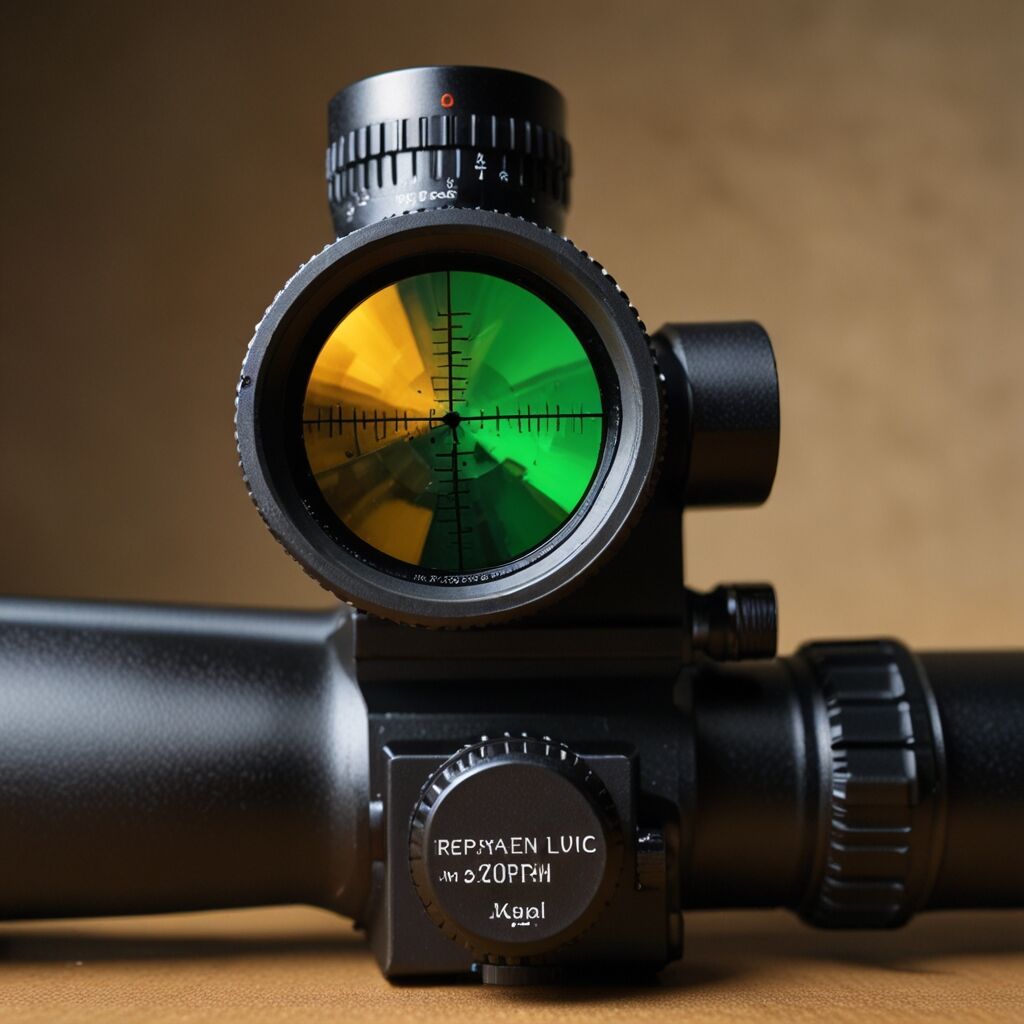
Using AGM Global Vision Varmint V2 LRF for nighttime wildlife observation enhances every hunting experience. This advanced thermal imaging rifle scope provides excellent low-light performance, allowing enthusiasts to observe nocturnal wildlife comfortably and effectively.

Using AGM Global Vision Varmint V2 LRF for Effective Nighttime Observation
The AGM Global Vision Varmint V2 LRF features superior thermal imaging technology that provides high sensitivity and clear images in complete darkness. With a recommended effective range of up to 1,000 meters, this thermal scope stands out in terms of value compared to other night vision devices, usually retailing around $2,500, making it an attractive option for shooting sports fans.

What are the key advantages of using thermal imaging for wildlife observation?
Thermal imaging technology is significantly more sensitive than standard night vision, detecting heat signatures from animals, even in total darkness. Typical detection ranges for thermal imaging devices often reach up to 3,200 meters, allowing enthusiasts to spot various wildlife species effectively, including deer, foxes, and raccoons.

Maximizing Nighttime Wildlife Viewing with AGM Global Vision Varmint V2 LRF
Techniques such as using silent movement and remaining undetectable can greatly enhance nighttime wildlife viewing experiences. Adjusting the Varmint V2 LRFs settings for different wildlife types, like modifying the contrast for smaller animals or increasing sensitivity for larger game, can yield better results, while weather conditions like fog and rain may impact the device’s performance, so always plan accordingly.
How can I improve my night observation skills with optical technology?
The average training time required to become proficient in using optical technology like the Varmint V2 LRF is typically around 20 to 30 hours, allowing users to familiarize themselves with the device features and functions. Under ideal conditions, an observer can spot 10 to 15 different species in a single night, and practicing night observation for at least two to three hours each week can significantly enhance skills.
Understanding AGM Global Vision Varmint V2 LRF’s Impact on Night Wildlife Observation
Using the AGM Global Vision Varmint V2 LRF offers significant benefits, such as unparalleled clarity, allowing observers to engage with nocturnal wildlife effectively. User experiences may differ, with some valuing specific features like its compact design and others preferring the adjustable settings that enhance usability, while advancements in sensor technology and image processing have greatly improved nighttime wildlife observation capabilities.
What common challenges do observers face when using night vision equipment?
The average failure rate of night vision devices like the AGM thermal scopes during outdoor use hovers around 5, particularly if users neglect regular maintenance. Users typically need to make a few adjustments for optimal night observation, with studies showing that nearly 30 of wildlife remains unseen without effective night vision technology, emphasizing the importance of reliable thermal imaging devices for successful wildlife observation.