Recommended Optics is reader-supported: some links on this page are affiliate links, and as an Amazon Associate Recommended Optics earns from qualifying purchases at no extra cost to you. Learn more.

Burris Optics Thermal Scope
Affiliate links: we may earn a commission. Prices and availability are set by each store.
Utilizing the Burris BTC35 V2 Thermal Scope for wildlife observation and tracking greatly enhances the hunting experience. This advanced thermal imaging equipment provides clear visibility of animal movements in various environmental conditions, making wildlife observation more productive and enjoyable.

Understanding the Burris BTC35 V2 Thermal Scope for Wildlife Studies
The Burris BTC35 V2 Thermal Scope excels in wildlife observation due to its high-resolution thermal imaging capabilities and a wide field of view. It improves tracking of animals at night by providing seamless visibility in complete darkness, using advanced heat detection technology to identify animals based on thermal signatures, ensuring hunters can find their targets quickly and reliably.
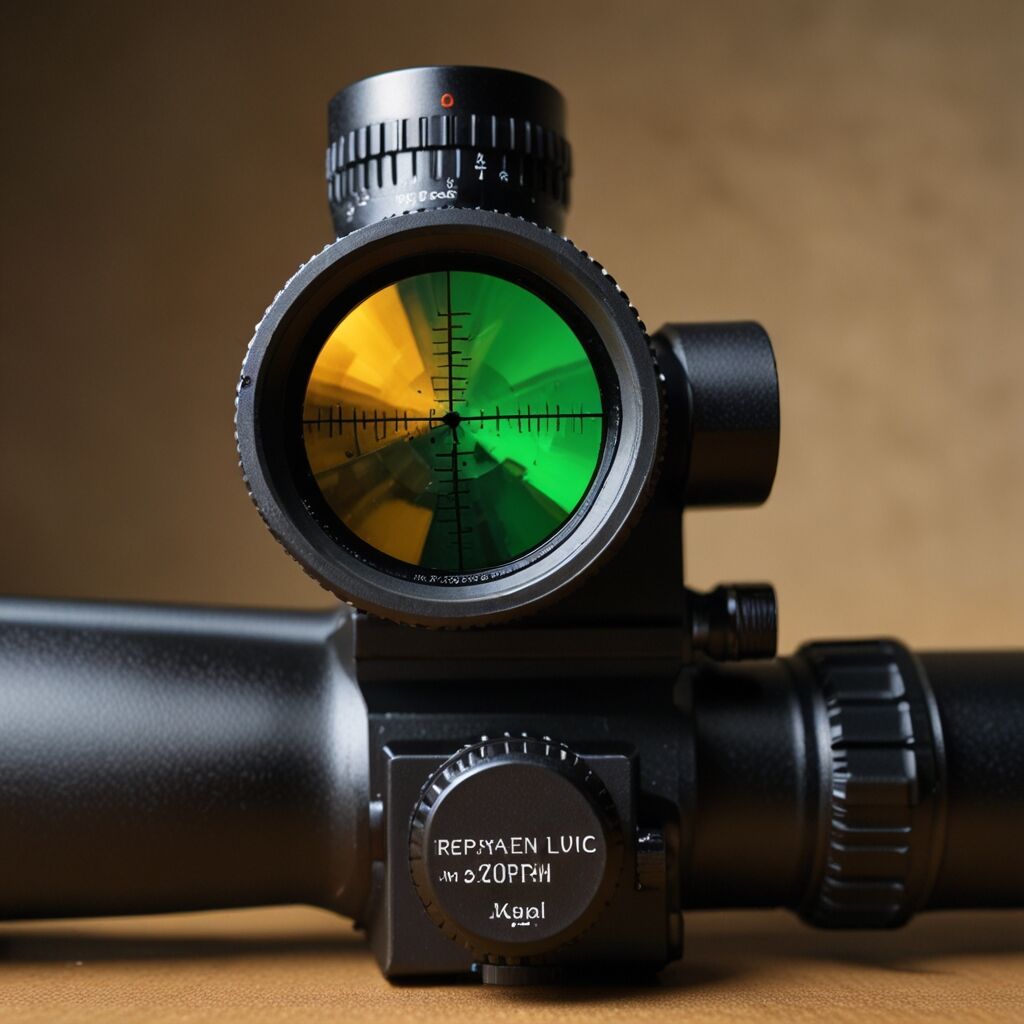
How Can Thermal Imaging Enhance Animal Tracking in the Wild?
The effective detection range of the Burris BTC35 V2 is impressive, allowing users to spot wildlife up to 1,800 yards away under ideal conditions. Thermal scopes like the Burris BTC35 V2 can identify up to 10 distinct thermal signatures in a given area, capturing about 70 of animal movements with their advanced imaging technology.

Best Practices for Using the Burris BTC35 V2 for Wildlife Monitoring
Top tips for effectively observing wildlife with thermal scopes include ensuring a stable setup and using the zoom feature to get clear visuals. Setting up the Burris BTC35 V2 for optimal wildlife observation involves adjusting the contrast and brightness, and the best time for animal tracking generally falls during dawn and dusk when wildlife is most active.

What Settings Should Be Adjusted for Nighttime Wildlife Observation?
The Burris BTC35 V2 offers multiple brightness levels, typically ranging from 8 to 10 settings for nighttime use which optimizes visibility according to ambient light. Ideal zoom levels for observing wildlife at night sit between 4x and 8x, while the battery life allows for approximately 8 to 10 hours of continuous tracking during nighttime excursions.
Challenges to Consider When Utilizing the Burris BTC35 V2 in Wildlife Tracking
Common challenges faced when using thermal scopes for wildlife observation include limited visibility in heavy vegetation and false signals from heat sources like rocks or structures. Environmental factors such as temperature fluctuations and humidity can affect the performance of the Burris BTC35 V2, making it essential for users to be aware of thermal imaging limitations during their expeditions.
How Do Weather Conditions Impact Thermal Imaging Performance?
The maximum temperature range for effective thermal imaging with the Burris BTC35 V2 typically falls between 20C to +50C, allowing reliable use in various climates. Weather conditions, such as rain, fog, and snow, can influence thermal scope performance, as these elements can absorb or scatter heat signatures, while optimal humidity levels of around 40-60 can enhance imaging clarity.