
Digiscoping combines the use of binoculars or spotting scopes with digital cameras to capture high-quality photographs of wildlife and nature. The Swarovski Optik STS-65 HD Spotting Scope stands out in this category by offering stunning image quality, exceptional clarity, and reliability, making it an ideal tool for fans of hunting and shooting sports who seek to enhance their visual experiences in the field.

Understanding the Benefits of Digiscoping with Swarovski Optik STS-65 HD
The main advantages of using a spotting scope for digiscoping include increased magnification and superior optical quality compared to standard cameras. The STS-65 HD enhances photo quality by providing a focal length and optical coating that produce sharper images with vibrant colors and contrast, making it easier to capture stunning nature scenes or wildlife in fine detail.
Digiscoping can indeed be used for both birdwatching and capturing landscapes or nature photography. This flexibility allows outdoor enthusiasts to engage deeply with their environment while documenting their adventures through impressive photographic records.
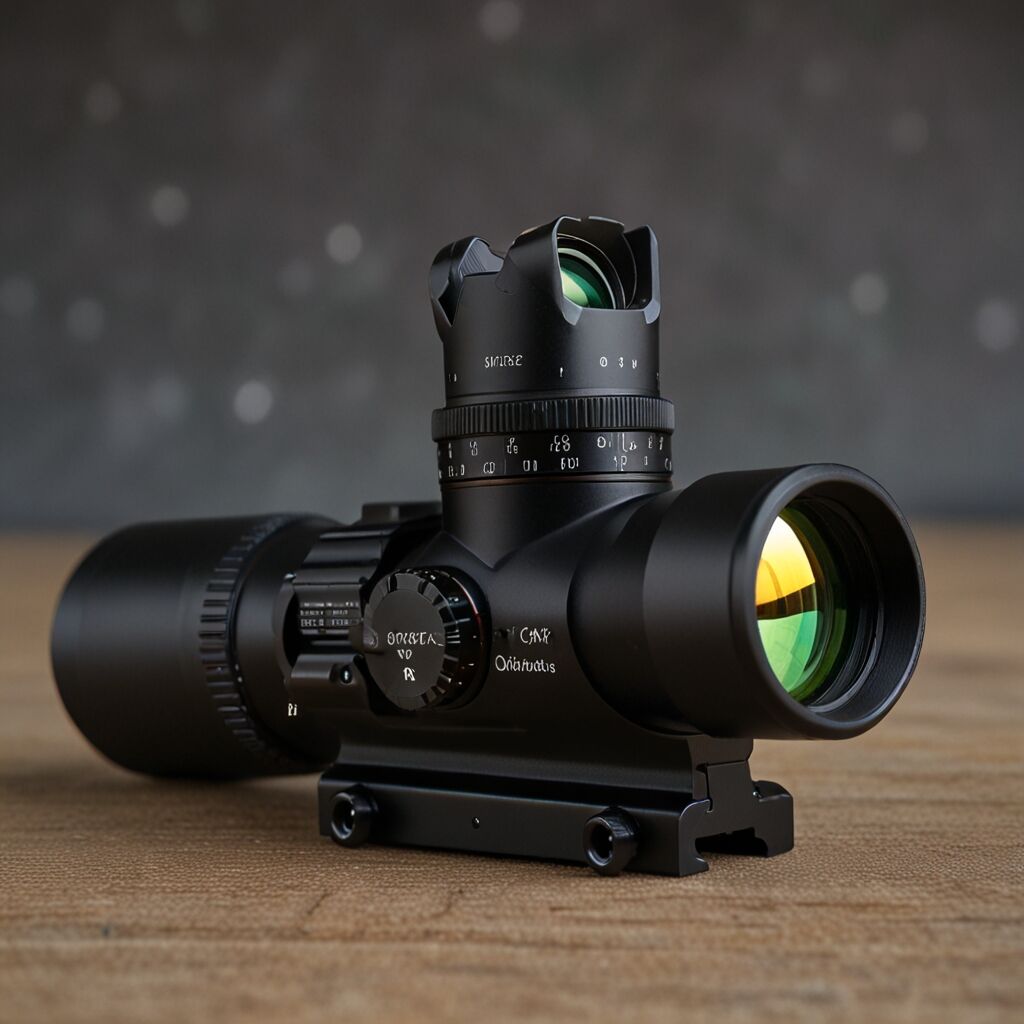
How does digiscoping enhance wildlife observation experiences with a scope?
Digiscoping significantly increases detail in images and observations, allowing users to capture wildlife behavior up to 40 times closer than with traditional binoculars. This technique opens up a world of observation possibilities, with various types of wildlife like birds, deer, and even insects observable effectively from distances between 15 and 300 yards.

Choosing the Right Accessories for Digiscoping with Swarovski Optik STS-65 HD
Essential accessories needed for effective digiscoping include a sturdy tripod, a compatible camera adapter, and protective cases for the Swarovski STS-65 86318. Selecting the best camera adapter depends on the camera model and brand; options like the Swarovski 55210 Adapter are designed to fit securely, ensuring compatibility and performance.
The price range for quality digiscoping accessories typically varies from $50 to $300, depending on the brand and features. Investing in reliable accessories like these enhances the overall digiscoping experience and improves photo capturing efficiency.

What accessory options boost performance when digiscoping with a spotting scope?
Several camera adapters, including those from brands like Manfrotto and Kowa, are compatible with the STS-65 HD, with at least four main types available for different camera systems. A typical magnification range needed for digiscoping accessories is between 15x to 60x, providing users with ample options to tailor their setup for specific wildlife photography needs.
For a full day of digiscoping, users should aim for at least 10 hours of battery life to ensure uninterrupted shooting. This duration helps capture various wildlife moments without the need for frequent recharging, which can be cumbersome in the field.
Techniques for Achieving Great Images with Swarovski Optik STS-65 HD Spotting Scope
Improving image clarity when using a spotting scope involves techniques like focusing on the subject, using a tripod for stability, and adjusting the camera’s exposure settings. Stabilizing the scope is crucial; actions like using a weighted tripod or leaning against a sturdy surface can enhance picture quality dramatically.
The recommended exposure time for digiscoping photography often ranges between 1/125 to 1/500 seconds, depending on light conditions and the subject’s movement. Understanding these settings allows users to adjust their approach, capturing clear images of fast-moving wildlife or serene landscapes effectively.
What are the best practices for capturing high-quality photos when digiscoping?
To achieve optimal image stabilization, follow methods such as using a tripod, employing a remote shutter release, and maintaining a steady breathing technique when shooting. The typical ISO setting recommended for wildlife photography is around 400 to 800, which balances sensitivity and noise for clearer images.
Focusing on multiple focal points can enhance image clarity; generally, two to three focal points work well for detailed wildlife photography. Utilizing these best practices ensures that hobbyists and professionals alike capture the best images possible when digiscoping with the Swarovski Optik STS-65 86318.