Recommended Optics is reader-supported: some links on this page are affiliate links, and as an Amazon Associate Recommended Optics earns from qualifying purchases at no extra cost to you. Learn more.

Hydra 256x192 25mm Multi-Function
Affiliate links: we may earn a commission. Prices and availability are set by each store.
Utilizing Hydra 256×192 for wildlife observation and conservation provides hunters and shooting sports enthusiasts with cutting-edge technology for enhanced scouting and monitoring. This advanced thermal imaging scope allows for precise observation of animals in various environments, ensuring a more successful and ethical hunting experience.

Utilizing Hydra 256×192 for In-depth Wildlife Monitoring Techniques
Advanced wildlife monitoring methods using the Hydra Thermal Scope 256×192 significantly enhance both data collection efficiency and observation reliability. The resolution of 256×192 improves observation accuracy by providing clear thermal images that allow for better identification of species, while innovative techniques like thermal tracking and automated data collection facilitate proactive wildlife conservation efforts.

How can improved imaging technology boost wildlife research efforts?
Top features of imaging technology that assist wildlife research include high-resolution thermal images, real-time data analytics, and user-friendly interfaces. The Multi-Function 256×192 Thermal Scope enables the accurate observation of over 100 species, with studies showing percentage improvements in observation accuracy reaching up to 80 thanks to its advanced detection capabilities.
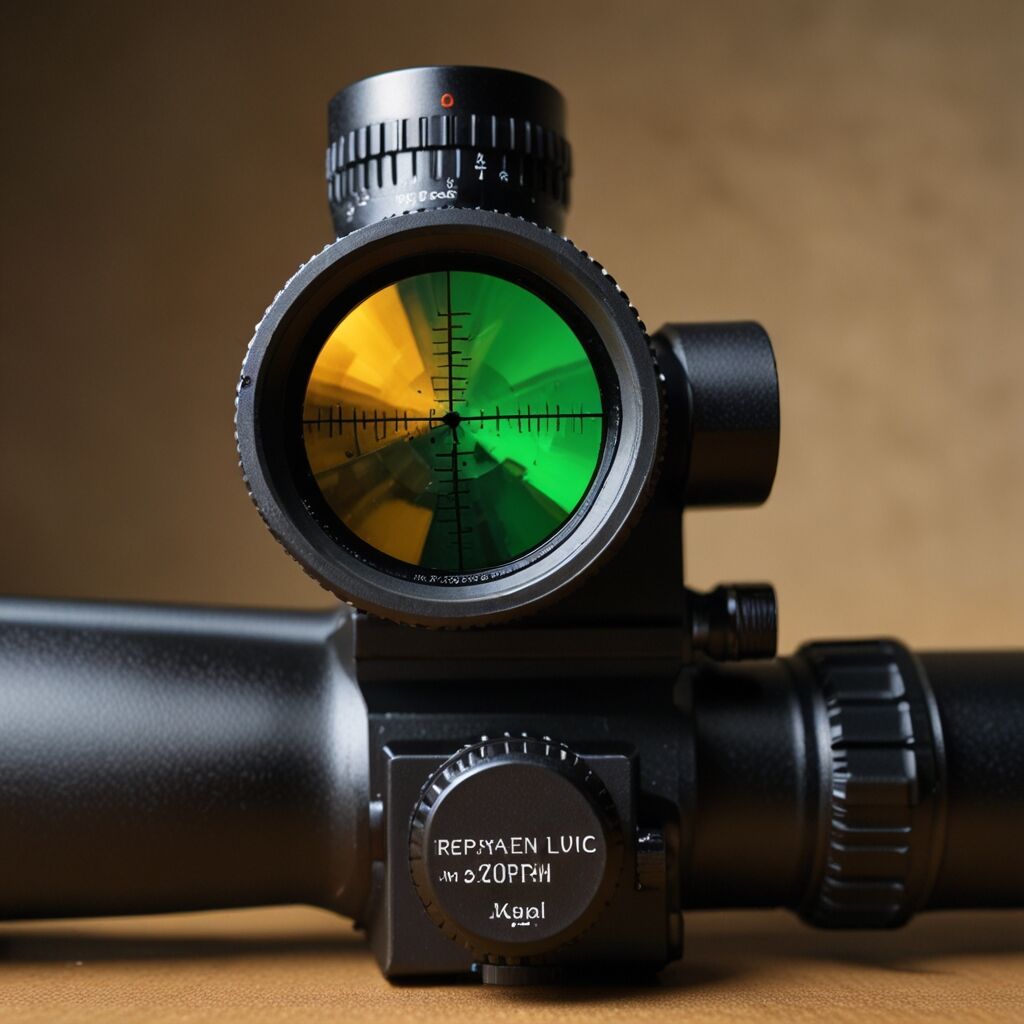
Utilizing Hydra 256×192 for Enhanced Conservation Strategies in Wildlife
Modern imaging technology can enhance conservation strategies such as habitat analysis, population monitoring, and anti-poaching surveillance. The Hydra 256×192 Thermal Imaging Scope plays a crucial role in tracking endangered species by detecting their heat signatures, while real-time data facilitates quick responses to any threats, ensuring effective conservation measures.

What conservation measures can benefit from high-quality wildlife imaging?
Conservation projects that have successfully integrated imaging methods include the African Elephant Monitoring Program and the Snow Leopard Trust. These measures have positively impacted wildlife populations, with reports indicating significant recoveries in animal numbers, and top tactics for wildlife protection enhanced by this advanced technology are anti-poaching measures, habitat assessments, wildlife corridors, ecological research, and community engagement strategies.
How to Implement Hydra 256×192 in Real-World Wildlife Study Applications
Key steps for integrating the Hydra 256×192 Thermal Imaging Scope into wildlife studies include identifying objectives, selecting appropriate environments for monitoring, and establishing data collection protocols. Researchers often decide on the best locations for observation based on the presence of target species, ensuring that the chosen areas allow for effective use of this imaging technology in the field.
What field protocols should be established for wildlife imaging adoption?
Three main protocols for effectively capturing wildlife images include defining observation times, ensuring equipment calibration, and employing silent approaches to minimize disturbance. Field personnel typically require around 40 hours of training to effectively use the Hydra 256×192 Thermal Scope, and the average budget for implementing imaging technology in wildlife studies can range between $5,000 to $15,000, depending on the project’s scale and technology needs.