Recommended Optics is reader-supported: some links on this page are affiliate links, and as an Amazon Associate Recommended Optics earns from qualifying purchases at no extra cost to you. Learn more.

Vortex Optics Viper HS-T
Affiliate links: we may earn a commission. Prices and availability are set by each store.
Optimizing Vortex Optics Viper HS-T Second Focal Plane for hunting applications significantly enhances the shooting experience for enthusiasts. By focusing on adjustments, reticle settings, and magnification levels, hunters can improve their precision, resulting in more successful outings in diverse terrains.

Optimizing Vortex Optics Viper HS-T Second Focal Plane Reticle for Precision in Hunting
The ideal reticle setting for the Vortex Viper HS-T Riflescope in diverse hunting scenarios usually ranges between 4-16x magnification. This setting allows hunters to see targets clearly, whether hunting deer in heavy woods or spotting smaller game at long distances. Adjustments such as zeroing the rifle scope according to specific distances and ensuring accurate windage setting improve accuracy with this specific scope. Improved tracking with the Viper HS-T 6-24×50 helps eliminate variance caused by bullet drop, ensuring consistent hits. Different magnification levels impact overall hunting performance by providing versatility; lower magnification allows for quick target acquisition, while higher levels enhance detail for precision shooting at extended ranges.

How can I enhance my shot precision with an adjustable reticle?
The maximum effective range for shots taken with the Vortex Optics Viper HS-T 6-24×50 typically reaches up to 1,000 yards under optimal conditions. This superb capability is supported by various reticle options available, including fine crosshairs and illuminated variants for low-light scenarios. The average correction needed for bullet drop at 300 yards usually varies based on caliber but often demands an adjustment of about 1.5 to 2 MOA. Understanding this ensures that hunters compensate for elevation accurately, thereby increasing shot precision.
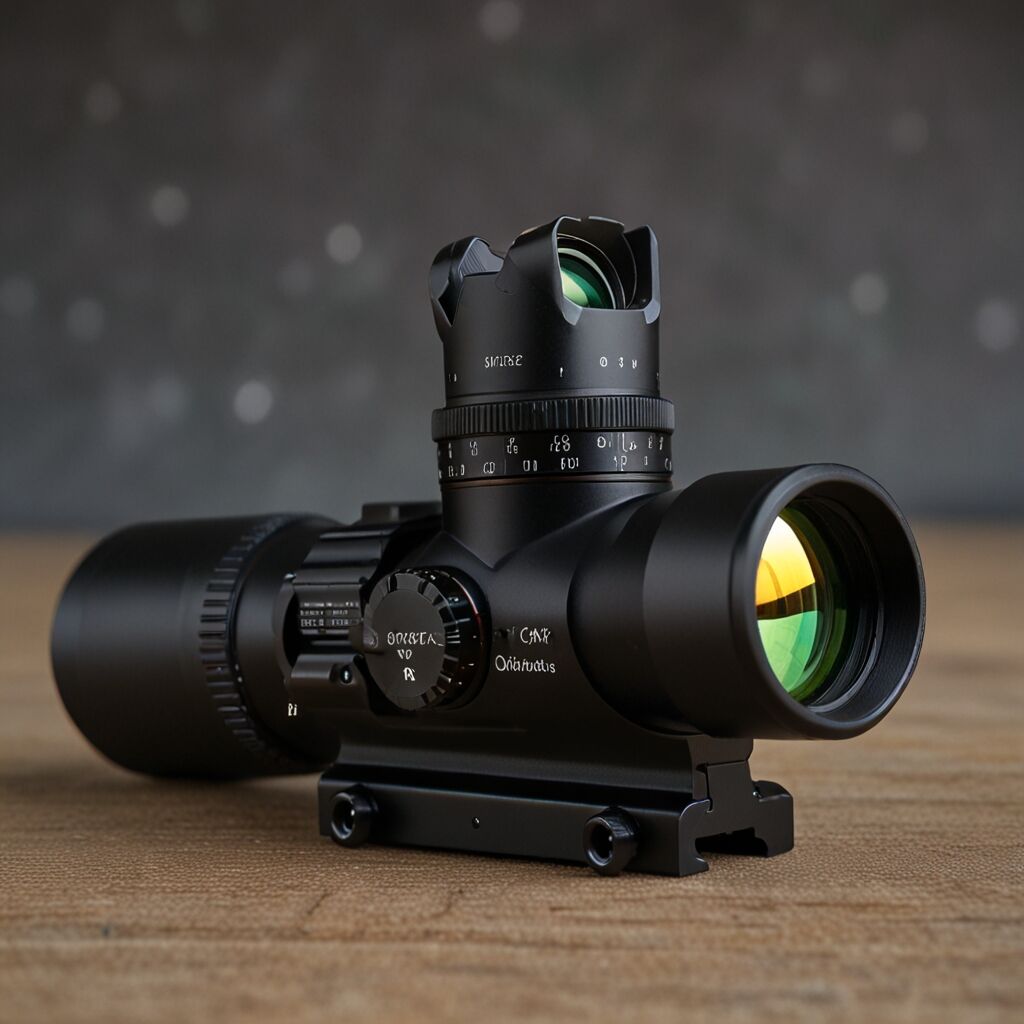
Featuring the Vortex Optics Viper HS-T Second Focal Plane Adjustments for Optimal Use
Critical scope adjustments for different hunting environments include elevation, windage, and parallax settings specific to the Viper HS-T Riflescope. It is essential to know when to adjust windage and elevation settings by considering wind speed and bullet travel time based on range and shot conditions. Hunters need basic tools like a torque wrench and bubble level for efficient scope calibration before their hunting adventures. Ensuring these adjustments are on point makes a significant difference during the hunt.

What are the best practices for achieving optimal adjustments on scopes?
The typical adjustment range in MOA for the Vortex Viper HS-T Riflescope is generally between 1/4 to 1/2 MOA per click. Each click of the windage adjustment usually modifies the setting by 1/4 MOA, allowing precise corrections. The recommended zeroing distance for the best results is typically 100 yards, ensuring hunters can engage targets accurately at various distances. Following these practices helps achieve optimal performance during critical shooting scenarios.
Selecting Vortex Optics Viper HS-T Second Focal Plane Features for Game Hunting
Scope features most beneficial for hunting specific game types include reticle design, magnification range, and lens clarity with the Vortex Optics Viper HS-T 6-24×50. High-quality lens impact the hunting experience significantly; superb optics provide excellent light transmission for low-light conditions, making spotting game easier. Furthermore, durable materials such as aircraft-grade aluminum enhance the ruggedness of this scope, ensuring reliability in tough terrains and adverse weather. This combination of features supports enhanced hunting efficiency.
How do I choose essential features for hunting success with my scope?
The lens coating quality rating for the Vortex Viper HS-T typically comes highly rated, often featuring fully multi-coated elements for optimal light transmission. Ideally, three to four magnification levels are beneficial for hunting various game types, allowing flexibility from close-range deer hunts to distant varmint shooting. The average weight of this scope usually rests around 30 ounces, making it easy to carry during long treks in outdoor sports environments. Keeping these essential features in mind ensures successful hunting outings.