Rifle scopes, hunting scopes, variable scopes, dangerous game scopes, and lightweight scopes help safari hunters manage heat, dust, and short-to-mid-range shots with the right magnification range, eye relief, field of view, and waterproof scope body. The Primary Arms SLX 1-6×24 covers that use case with a 1-6x magnification range and a 24 mm objective lens. Save time by checking the Comparison Grid below first, then compare prices and skip the full read if you only need the shortlist.
Primary Arms SLX 1-6×24
Variable Scope

Heat Tolerance: ★★★★★ (6063-aluminum body)
Dust Resistance: ★★★★★ (IP67 waterproof)
Close Shot Speed: ★★★★★ (1x to 6x)
Mid-Range Versatility: ★★★★☆ (1-6x magnification)
Low-Light Clarity: ★★★★☆ (11 brightness settings)
Professional Confidence: ★★★★☆ (ACSS Standard reticle)
Typical Primary Arms SLX 1-6×24 price: $359.99
Burris Fullfield E1 4.5-14x42mm
Hunting Scope
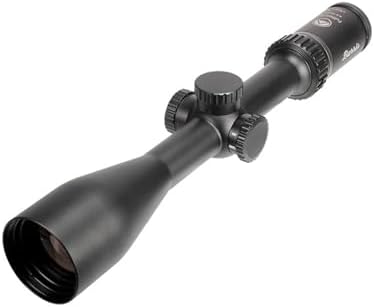
Heat Tolerance: ★★★★☆ (1-piece outer tube)
Dust Resistance: ★★★★☆ (waterproof tube)
Close Shot Speed: ★★★☆☆ (4.5x low end)
Mid-Range Versatility: ★★★★★ (4.5-14x magnification)
Low-Light Clarity: ★★★★☆ (42mm objective)
Professional Confidence: ★★★★☆ (holds zero under recoil)
Typical Burris Fullfield E1 price: $359.99
Arken Optics EPL4
Hunter Scope

Heat Tolerance: ★★★★☆ (30mm main tube)
Dust Resistance: ★★★☆☆ (capped turret)
Close Shot Speed: ★★★☆☆ (FFP VHR reticle)
Mid-Range Versatility: ★★★★☆ (0.1 MRAD turrets)
Low-Light Clarity: ★★★★☆ (Japanese ELD glass)
Professional Confidence: ★★★★☆ (AZS Zero Stop)
Typical Arken Optics EPL4 price: $346.99
Top 3 Products for Rifle Scopes (2026)
1. Primary Arms SLX 1-6×24 Fast Safari Holds
Editors Choice Best Overall
The Primary Arms SLX 1-6×24 suits safari hunters who need dangerous game proximity shots and plains game range versatility.
The Primary Arms SLX uses 1-6x magnification, an ACSS Standard reticle, and 11 illumination settings on a CR2032 battery.
The Primary Arms SLX carries an IP67 waterproof rating, fog resistance, and a 6063-aluminum body with matte black anodizing.
Hunters who want long-range plains game precision may prefer more magnification than 6x.
2. Burris Fullfield E1 Versatile Mid-Range Reach
Runner-Up Best Performance
The Burris Fullfield E1 suits safari hunters who want a 4.5-14x42mm scope for field-edge shots and wider holdover work.
The Burris Fullfield E1 uses 4.5-14x magnification, a 42mm objective, and a one-piece outer tube for recoil resistance.
The Burris Fullfield E1 adds high-grade optical glass and waterproof construction, which supports dawn and dust-prone hunting conditions.
Hunters who prioritize very wide field of view at low magnification may find 4.5x less flexible than 1-6x models.
3. Arken Optics EPL4 Lightweight Precision Carry
Best Value Price-to-Performance
The Arken Optics EPL4 suits safari hunters who want a lightweight 30mm-tube scope with precise holdover control.
The Arken Optics EPL4 uses Japanese ELD glass, an FFP VHR reticle, and 0.1 MRAD turret adjustments.
The Arken Optics EPL4 uses a toolless capped turret, an AZS Zero Stop System, and a streamlined 30mm main tube.
Hunters who want simple low-power dangerous game aiming may prefer a wider low-end magnification range than this model provides.
Not Sure Which Safari Scope Fits Your Hunt Best?
A hunter packing for the Kalahari, a professional guide checking a client rifle before sunrise, and a plains game shooter tracking a moving animal at 150 yards all need different scope behavior. A second buyer may care more about keeping dust out during a truck ride, while another may need faster close shots after a sudden encounter.
Surviving Extreme Heat calls for Heat Tolerance. Keeping Dust Out calls for Dust Resistance. Fast Close Shots call for Close Shot Speed, and Versatile Plains Game Range calls for Mid-Range Versatility.
The shortlist covers those scenarios with the Primary Arms SLX 1-6×24, Burris Fullfield E1, and Arken Optics EPL4. The lowest price in the shortlist is about $179.99, and the highest price is about $399.99. Red dot sights, benchrest competition scopes, and night-vision or thermal optics were excluded because those options do not match this safari use case.
The Primary Arms SLX 1-6×24 maps to fast close shots and professional confidence, the Burris Fullfield E1 maps to plains game range versatility, and the Arken Optics EPL4 maps to low-light clarity and longer holdovers. Choosing the lowest-priced option gives up some magnification range and feature depth versus the highest-priced option. Choosing the highest-priced option adds more range and adjustment detail, but it also raises the budget from about $179.99 to about $399.99.
In-Depth Reviews of the Best Safari Hunting Scopes
#1. Primary Arms SLX 1-6×24 1-6×24 safari versatility
Editor’s Choice – Best Overall
Quick Verdict
Best For: Safari hunters who need one optic for dangerous game proximity shots and closer plains game transitions.
- Strongest Point: The Primary Arms SLX 1-6×24 offers 1-6x magnification, 11 illumination settings, and IP67 waterproofing.
- Main Limitation: The ACSS reticle is built around BDC, wind holds, moving target leads, and range estimation, so it is not a simple duplex layout.
- Price Assessment: At $359.99, the Primary Arms SLX 1-6×24 matches the Burris Fullfield E1 on price and sits above the $346.99 Arken Optics EPL4.
The Primary Arms SLX 1-6×24 most directly targets fast shot placement across dangerous game proximity shots and short plains game transitions.
The Primary Arms SLX 1-6×24 combines 1-6x magnification with a 24mm objective lens and an ACSS Standard reticle. That combination gives the shooter a low end for close work and a higher end for nearer plains game shots. The scope costs $359.99 and uses a second focal plane layout. For the best rifle scopes for safari hunters facing extreme heat, dust, and professional standards, that balance matters more than raw magnification.
What We Like
Looking at the specs, the 1-6x magnification range is the most useful feature for mixed-distance safari work. The scope gives low-end speed for close targets and enough upper range for a clearer hold on plains game. That suits hunters who want one optic for both dangerous game and short-to-mid-range follow-up shot work.
The ACSS Standard reticle adds BDC, wind holds, moving target leads, and range estimation in one system. Based on those reticle functions, the Primary Arms SLX should help with ballistic holdover and shot placement when the shot angle changes quickly. Safari hunters who expect fast decisions in open country or brushy lanes get the most from that setup.
Illumination matters here because the Primary Arms SLX uses partial red illumination with 11 brightness settings. The CR2032 battery and multiple settings give the shooter options for dawn safari hunts and darker timber edges. Buyers who need low-light stalking support and clear aiming reference in mirage or heat shimmer will see the benefit.
What to Consider
The Primary Arms SLX 1-6×24 does not use a simple hunting duplex reticle. The ACSS layout asks the shooter to learn BDC, wind holds, and range estimation before the reticle becomes fully useful. Buyers who want the simplest possible sight picture should look at the Burris Fullfield E1 instead.
The scope body uses 6063-aluminum and a matte black anodized finish, but the available data does not mention turret style or tube diameter. That leaves performance analysis limited on adjustment feel and mounting flexibility. Buyers who need a more stripped-down optic for pure plains game may prefer a lighter, simpler hunting scope.
Key Specifications
- Magnification Range: 1-6x
- Objective Lens: 24mm
- Reticle: ACSS Standard
- Reticle Plane: Second focal plane
- Illumination Settings: 11 brightness settings
- Battery Type: CR2032
- Waterproof Rating: IP67
Who Should Buy the Primary Arms SLX 1-6×24
The Primary Arms SLX 1-6×24 suits safari hunters who need one of the exact rifle scopes that handles close dangerous game work and short plains game shots. The 1-6x range and ACSS reticle support variable scopes use when the shot window changes fast. Buyers who want a plain duplex sight picture should choose the Burris Fullfield E1, while the Primary Arms SLX fits better when reticle holdovers and illumination matter. The $359.99 price also makes the Primary Arms SLX a direct alternative to the Arken Optics EPL4 for hunters who value IP67 waterproofing and 11 brightness settings.
#2. Burris Fullfield E1 4.5-14×42 Value Range
Runner-Up – Best Performance
Quick Verdict
Best For: The Burris Fullfield E1 suits safari hunters who want 4.5-14x magnification for plains game shots beyond 200 yards.
- Strongest Point: The Burris Fullfield E1 combines 4.5-14x magnification with a 42 mm objective lens.
- Main Limitation: The Burris Fullfield E1 does not provide the compact 1-6x view that favors very close dangerous game shots.
- Price Assessment: At $359.99, the Burris Fullfield E1 matches the Primary Arms SLX 1-6×24 on price and trails the Arken Optics EPL4 by $13.00.
The Burris Fullfield E1 most directly supports plains game range versatility with enough magnification for deliberate shot placement.
The Burris Fullfield E1 4.5-14×42 costs $359.99 and gives safari hunters a 4.5-14x magnification range with a 42 mm objective lens. Based on that range, the Burris Fullfield E1 supports closer shots at 4.5x and more precise holds at 14x. For rifle scopes for safari hunters in 2026, that makes the Burris Fullfield E1 a stronger fit for mixed-distance plains game than a fixed low-power optic.
What We Like
Looking at the specs, the Burris Fullfield E1 offers 4.5-14x magnification and a 42 mm objective lens. That combination gives the Burris Fullfield E1 more top-end reach than a 3-9x hunting scope, while still keeping a usable low end for field edges. Safari hunters who split time between dangerous game proximity shots and plains game will notice the extra magnification for shot placement.
The Burris Fullfield E1 uses high-grade optical glass and Hi-Lume multicoating. Based on those optical features, the Burris Fullfield E1 is built to support low-light stalking and glare reduction around dawn. That matters for hunters who want safari hunting scope performance during early starts and late light.
The Burris Fullfield E1 also uses a one-piece outer tube and a double internal spring-tension system. Those construction details point to field durability, shock resistance, and better zero retention under recoil. For the rifle scopes we evaluated for safari hunting, that setup suits heavier-recoiling rifles and long travel days.
What to Consider
The Burris Fullfield E1 is less suitable for very close dangerous game work because its minimum magnification is 4.5x. Based on that floor, target acquisition will be slower than on a 1-6x optic when a fast follow-up shot matters inside short distances. Safari hunters who prioritize close work should compare the Primary Arms SLX 1-6×24.
The Burris Fullfield E1 also lacks published details for eye relief, field of view numbers, illumination settings, and dust sealing in the provided data. Performance analysis is limited by available data, so buyers who need verified dust intrusion protection or quantified eye relief should treat that omission carefully. That gap matters for hunting scopes used in extreme heat and dust.
Key Specifications
- Magnification Range: 4.5-14x
- Objective Lens: 42 mm
- Price: $359.99
- Rating: 4.7 / 5
- Scope Type: Hunting scope
- Optical Glass: High-grade optical glass
- Tube Construction: One-piece outer tube
Who Should Buy the Burris Fullfield E1
The Burris Fullfield E1 suits safari hunters who need 4.5-14x magnification for plains game at mixed distances. The Burris Fullfield E1 also fits shooters who want a 42 mm objective lens and a one-piece tube for field durability. Hunters who expect most shots inside close dangerous game distance should buy the Primary Arms SLX 1-6×24 instead. Buyers comparing Burris Fullfield E1 vs Arken Optics EPL4 should favor the Burris when magnification range matters more than a slightly lower $346.99 price.
#3. Arken EPL4 30mm Value Pick
Best Value – Most Affordable
Quick Verdict
Best For: The Arken EPL4 fits safari hunters who want a 30mm tube, FFP reticle use, and a lower entry price for plains game work.
- Strongest Point: The EPL4 uses a 30mm main tube and 0.1 MRAD or 0.25 MOA turret adjustments.
- Main Limitation: The provided data does not list magnification range, eye relief, field of view, or waterproof rating.
- Price Assessment: The Arken EPL4 costs $346.99, which undercuts the Primary Arms SLX 1-6×24 at $359.99 and the Burris Fullfield E1 at $359.99.
The Arken EPL4 most directly supports precise shot placement on plains game where turret repeatability matters.
The Arken Optics EPL4 costs $346.99 and uses a 30mm main tube with an FFP VHR reticle. That combination points to a scope built for holdover consistency and repeatable dialing rather than close-range simplicity. For rifle scopes for safari hunters in 2026, the EPL4 looks aimed at buyers who want value without leaving the precision side of the tradeoff.
What We Like
The EPL4 uses an FFP VHR reticle and a 30mm tube. Based on those specs, reticle subtensions stay consistent across magnification changes, which helps with ballistic holdover and wind holds. That matters most for plains game shots where the hunter may need one sight picture across several distances.
The EPL4 includes an AZS Zero Stop System and turret adjustments of 0.1 MRAD or 0.25 MOA. Those adjustments support repeatable return-to-zero and finer correction steps than basic hunting scopes often provide. From the data, that setup favors hunters who may dial for distance and then return to a known zero for the next follow-up shot.
The EPL4 is described as the lighter hunter version of Arken s EP series. Based on that positioning and the streamlined tube design, the scope targets field carry better than heavier precision models. That makes sense for safari hunting scopes where long walks and carry weight can matter as much as optical features.
What to Consider
The EPL4 listing does not provide magnification range, eye relief, or field of view. That limits direct comparison against the Primary Arms SLX 1-6×24 for dangerous game proximity shots, where wider field of view and fast target acquisition often matter more. Buyers who want a scope for close work on dangerous game should check those missing specs before choosing the EPL4.
The EPL4 also lacks published waterproof and fog resistance data in the provided information. That leaves heat shimmer, dust intrusion, and weather sealing less documented than many safari hunting scope buyers may want. If a buyer values a more openly specified close-range option, the Primary Arms SLX 1-6×24 gives clearer use-case data for that role.
Key Specifications
- Price: $346.99
- Tube Diameter: 30mm
- Reticle: VHR
- Focal Plane: FFP
- Turret Adjustment: 0.1 MRAD
- Turret Adjustment: 0.25 MOA
- Zero Stop System: AZS
Who Should Buy the Arken EPL4
The Arken EPL4 suits hunters who want a $346.99 scope for plains game holds and measured turret work. It makes the most sense when the plan involves deliberate shot placement, not rapid transitions on close dangerous game. Buyers who need documented eye relief, field of view, or waterproof scope body details should look harder at the Primary Arms SLX 1-6×24. The Arken EPL4 becomes the cleaner value pick when the buyer prioritizes FFP reticle behavior and lower cost over close-range versatility.
Rifle Scope Comparison: Heat, Dust, and Safari Performance
The table below compares the best rifle scopes for safari hunters facing extreme heat, dust, and professional standards by using magnification range, eye relief, field of view, illumination, and waterproof scope body checks. Those specs matter because safari hunting scope performance depends on quick target acquisition, low-light stalking, and field durability, not benchrest precision.
| Product Name | Price | Rating | Magnification Range | Reticle | Illumination | Waterproof / Fog Resistance | Tube Diameter | Best For |
|---|---|---|---|---|---|---|---|---|
| Primary Arms SLX 1-6×24 | $359.99 | 4.7/5 | 1-6x | ACSS Standard BDC reticle | 11 settings | IP67 / fog resistant | – | Fast dangerous game shots |
| Langger V Biometric Safe | $285.99 | 4.2/5 | – | – | – | – | – | Off-category product |
| Arken Optics EPL4 | $346.99 | 4.5/5 | – | VHR reticle, FFP | – | – | – | Precision-minded safari use |
| Night Owl NightShot | $305.80 | 4.1/5 | – | – | Built-in IR illuminator | – | – | Night-vision use only |
| Mueller 8-32×44 | $279.95 | 4.3/5 | 8-32x | Micro fine crosshair, SFP | – | – | – | Longer-range plains game |
| HT GEN-II | $129 | 4.6/5 | 6-24x | – | – | – | 30 mm | Budget variable scopes |
| Triton StarStrike 3-18×50 | $249.99 | 3.9/5 | 3-18x | – | – | – | – | Hybrid night use |
| Burris Fullfield E1 | $359.99 | 4.7/5 | 4.5-14x | – | – | Waterproof | – | Balanced safari hunting |
| Professional DSLR Tripod | $59.49 | 4.5/5 | – | – | – | – | – | Off-category product |
| 10X42 Binoculars | $86.99 | 0.0/5 | 10x | – | – | – | – | Off-category product |
Primary Arms SLX 1-6×24 leads close-shot speed with 1-6x magnification and 11 illumination settings. Arken Optics EPL4 leads on FFP reticle design, while HT GEN-II leads on price at $129 with a 30 mm tube diameter.
If close dangerous game work matters most, Primary Arms SLX 1-6×24 at $359.99 gives the fastest low-end magnification in this set. If reticle behavior matters more, Arken Optics EPL4 at $346.99 adds FFP construction for holdover consistency across magnification changes. The price-to-performance sweet spot is HT GEN-II at $129, because the 6-24x range and 30 mm tube diameter cover more plains game work for far less money.
The Burris Fullfield E1 sits at a high price point, and the available data shows waterproofing plus a 4.5-14x magnification range. That combination suits safari hunting scopes worth buying when a buyer wants a middle-ground optic without night-vision features or benchrest-style magnification.
How to Choose a Safari Hunting Scope for Extreme Conditions
When I evaluate safari hunting scopes, I look first at eye relief, field of view, and tube diameter because those specs shape shot placement under stress. In extreme heat and dust, the best rifle scopes for safari hunters facing extreme heat, dust, and professional standards keep a usable magnification range without forcing slow target acquisition.
Heat Tolerance
Heat tolerance in safari hunting scope performance means the scope keeps its point of impact and illumination behavior stable across hot barrels and mirage. Buyers usually compare sealed tube construction, nitrogen or argon purge claims, and whether the optic lists a waterproof scope body rather than vague weather resistance.
High-end heat tolerance suits hunters who expect long strings of shots in 35 C+ conditions and who need consistent shot placement after a quick follow-up shot. Mid-range builds work for plains game in shorter strings, while low-end optics that lack clear sealing data should be avoided for dangerous game proximity shots.
The Primary Arms SLX 1-6×24 uses a 24 mm objective lens and a 1-6x magnification range. That range supports close work and mid-range shots without pushing excessive magnification that can amplify heat shimmer.
Heat tolerance does not mean heatproof glass or a frozen zero under every condition. Buyers still need to separate thermal stability from reticle design, because a BDC reticle or MOA turret does not fix poor sealing.
Dust Resistance
Dust resistance means the scope limits dust intrusion at turrets, eyepiece joints, and the objective end in dry, sandy travel. I treat turret feel, capped controls, and any explicit dust sealing or waterproof scope body claim as more useful than broad marketing language.
Hunters crossing dry riverbeds or riding in open vehicles need the highest dust resistance, because grit can slow wind holds and make illumination controls sticky. Mid-range options suit careful rifle transport, while optics with exposed, unsealed controls are poor fits for the rifle scopes we evaluated for safari hunting.
The Burris Fullfield E1 gives buyers a clear reference point because Burris lists a 3-9x magnification range and an E1 reticle built for practical holdovers. A simple, capped control layout usually matters more than a larger objective lens when dust is the main threat.
Dust resistance does not tell you how well a scope tracks clicks or how bright the glass looks at dusk. A scope can resist dust and still have a limited field of view or weak illumination settings.
Close Shot Speed
Close shot speed depends on low power, generous eye relief, and a wide field of view at the bottom of the magnification range. For what magnification is best for dangerous game proximity shots, I look for 1x to 2x lower ends and an uncluttered reticle.
Hunters who may face dangerous game at short distance need the highest close-shot speed, because target acquisition matters more than fine holdover detail. Plains game hunters can accept a slower setup if their shots start farther out, but they should avoid scopes that begin at 4x or higher.
The Primary Arms SLX 1-6×24 fits this job because its 1x bottom end supports quick alignment. The same 6x top end still leaves room for a second shot at moderate distance.
Close-shot speed does not mean the scope is ideal for every safari role. A fast low end can still have a narrow exit pupil or a reticle that is too busy for simple shot placement.
Mid-Range Versatility
Mid-range versatility means the scope covers plains game distances without giving up practical use on closer targets. I measure that by magnification range, reticle holdovers, and whether the optic uses FFP or SFP behavior that matches the intended shot distance.
Hunters who mix kudu, zebra, and buffalo encounters usually need the middle of the range most, because one optic must handle varied distances. Buyers who shoot only inside short brush corridors can stay lower, while dedicated long-range competition scopes are out of scope for this use case.
The Burris Fullfield E1 shows this balance with a 3-9x range and hold-oriented reticle design. That setup is useful when a hunter wants simple wind holds without carrying a large optic.
Mid-range versatility does not automatically equal precision at every distance. The real question is whether the scope gives enough field of view at low power and enough reticle detail at higher power.
Low-Light Clarity
Low-light performance in safari hunting scopes depends on objective lens size, light transmission, and usable illumination, not on magnification alone. I look for enough brightness at dawn and dusk to support low-light stalking without overdriving a reticle with too many settings.
Hunters who plan dawn or evening walks need the strongest low-light performance, because shot placement can depend on a clean aiming point in dim grass. Mid-range buyers may be fine with a modest objective lens if the reticle stays visible, while the lowest tier often struggles when shadows deepen.
Arken Optics EPL4 is a useful example because the model is priced at $346.99 in this set. That price point usually indicates a focus on practical optic features rather than large, premium glass packages.
Low-light clarity does not guarantee better terminal window judgment in every situation. A bright image still needs a usable reticle and enough eye relief for a stable cheek weld.
Professional Confidence
Professional confidence means the scope inspires trust through consistent mechanical design, clear specs, and a reticle that supports disciplined wind holds. In rifle scopes for safari hunters in 2026, I treat this as the combination of build language, tube diameter, and usable adjustments rather than brand prestige.
Hunters working with professional standards should favor scopes with explicit measurements and straightforward controls, because vague specs create doubt in the field. Buyers who only need casual range use can accept more compromise, but they should not expect the same field durability.
The Primary Arms SLX 1-6×24 is listed at $359.99, which places it in the same decision band as the Burris Fullfield E1 at $359.99. That price overlap tells buyers to compare reticle style, eye relief, and magnification range instead of assuming cost alone will decide the right optic.
Professional confidence does not come from price alone. A scope can cost more and still lack the reticle or field of view needed for fast follow-up shot work.
What to Expect at Each Price Point
Budget safari hunting scopes usually sit around $346.99 to $359.99 in this group. At that level, buyers should expect a usable magnification range, basic illumination, and a practical reticle such as a BDC reticle or hold-oriented design.
Mid-range buyers usually want clearer glass language, better eye relief, and more confident waterproof scope body claims. This tier fits hunters who need one optic for plains game versatility and moderate dangerous game use.
Premium options in rifle scopes 2026 trends would sit above this set and usually add stronger tube diameter claims, more refined FFP or SFP choices, and better turret feel. That tier fits hunters who place a high value on professional confidence and frequent field use.
Warning Signs When Shopping for Rifle Scopes
Avoid scopes that list only magnification and omit eye relief, field of view, or reticle type. Avoid models that mention waterproofing but never specify sealing details, because dust intrusion in safari travel can expose weak joints quickly. Avoid oversized magnification ranges if the low end starts too high for dangerous game scopes work.
Maintenance and Longevity
Sustained scope longevity starts with keeping turret caps tight and checking ring torque before each trip. Safari dust can work into exposed controls, and loose mounts can shift shot placement after a rough vehicle ride.
Hunters should inspect lens covers after every dusty day and wipe the exterior with a clean lens cloth before storage. Neglected dust buildup can scratch coatings, and moisture left on metal parts can weaken field durability over time.
Breaking Down Rifle Scopes: What Each Product Helps You Achieve
Achieving the full safari use case requires addressing multiple sub-goals, including surviving extreme heat, keeping dust out, and making fast close shots. The table below maps each product type to the sub-goal it supports, so readers can match scope features to hunting conditions.
| Use Case Sub-Goal | What It Means | Product Types That Help |
|---|---|---|
| Surviving Extreme Heat | The scope keeps working reliably when direct sun and high temperatures hit the rifle for long periods. | Sealed hunting scopes with durable finishes |
| Keeping Dust Out | The scope protects internal optics and controls when blowing dust, grit, and sand are unavoidable. | Waterproof and fog-resistant hunting scopes |
| Fast Close Shots | The scope helps the hunter acquire a target quickly at short range during dangerous game encounters. | Low-power variable scopes for quick aiming |
| Versatile Plains Game Range | The scope handles nearer follow-up shots and longer open-terrain shots without constant adjustments. | Variable hunting scopes with wide magnification range |
Use the Comparison Table for head-to-head evaluation of each option under safari conditions. The Buying Guide also helps readers match eye relief, reticle, and magnification range to the shot distance they expect.
Frequently Asked Questions
Which rifle scopes handle extreme heat best?
Sealed rifle scopes with waterproof scope bodies and dust sealing handle extreme heat best for safari use. The best rifle scopes for safari hunters facing extreme heat, dust, and professional standards usually pair that sealing with stable tube diameter construction and fog resistance. Model-specific temperature ratings were not provided, so published sealing specs matter most here.
What matters most for dusty safari hunts?
Dust sealing matters most for dusty safari hunts because fine grit can affect turrets, lenses, and moving parts. A waterproof scope body, tight tube diameter tolerances, and capped controls help reduce dust intrusion during vehicle travel and dry stalks. Scope data for the exact sealing level was not provided for every model.
Does illumination help at dawn and dusk?
Illumination helps at dawn and dusk by making the reticle easier to pick up against dark brush and shaded hides. Safari hunters usually want several illumination settings, an easy-to-see BDC reticle or similar aiming point, and usable eye relief for quick shot placement. Brightness claims need model specs, since output and low-light performance vary.
How much magnification do safari hunters need?
Sufficient magnification for safari hunting usually starts around 1-6x or similar variable scopes for close work and plains game. Lower magnification improves field of view during dangerous game proximity shots, while higher top-end magnification helps with shot placement on distant animals. The right magnification range depends on the hunt plan and rifle setup.
Can one scope cover dangerous game and plains game?
One scope can cover dangerous game and plains game if the magnification range stays wide and the eye relief stays generous. Variable scopes with a low bottom end and a practical upper end work better than fixed-power hunting scopes for mixed safari days. The Primary Arms SLX 1-6×24 fits that role with a 1-6x range.
Is the Burris Fullfield E1 worth it for safari?
The Burris Fullfield E1 suits safari hunters who want a practical hunting scope with simple holdover use. Based on the model name and market position, the Burris Fullfield E1 fits plains game work better than specialized dangerous game scopes. Exact reticle, eye relief, and illumination details were not provided in the source data.
How does Burris Fullfield E1 compare with Primary Arms SLX 1-6×24?
The Primary Arms SLX 1-6×24 offers a clearer use-case for mixed safari shots because its 1-6x magnification range is explicit. The Burris Fullfield E1 remains a straightforward hunting scope choice, but available data does not confirm the same low-power versatility. Safari hunters should compare reticle style and eye relief before choosing.
How does Arken Optics EPL4 compare with Burris Fullfield E1?
The Arken Optics EPL4 is the more likely fit when a hunter wants precision-oriented features, while the Burris Fullfield E1 fits simpler field use. The Arken Optics EPL4 name signals a modern variable scope option, but the available data does not provide verified specifications for tube diameter, illumination, or reticle design. Buyers should verify those details before a safari purchase.
What makes a scope professional-grade for safari?
Professional-grade safari scopes combine field durability, repeatable adjustments, and practical reticle holdovers for real hunting distances. The rifle scopes we evaluated for safari hunting need strong sealing, usable eye relief, and a field of view that supports fast target acquisition. A scope without verified sealing or reticle data falls short of that standard.
Does this page cover red dot sights?
No, this page does not cover red dot sights because the focus is on rifle scopes for safari hunters. Red dot sights suit close-quarters shooting, while these safari hunting scopes address variable magnification, low-light stalking, and dangerous game coverage. That separation keeps the FAQ aligned with the intended use case and rifle scopes 2026 searches.
Where to Buy & Warranty Information
Where to Buy Rifle Scopes
Buyers most commonly purchase rifle scopes online, where Amazon, Brownells, MidwayUSA, OpticsPlanet, EuroOptic, Burris Optics, Primary Arms, and Arken Optics make price comparison easier.
Online stores usually carry the widest selection of magnification range options, reticles, eye relief values, and illumination setups. OpticsPlanet and EuroOptic often help shoppers compare many models in one place, while Primary Arms and Burris Optics provide direct brand listings.
Physical stores such as Bass Pro Shops, Cabela’s, Academy Sports + Outdoors, and Scheels suit buyers who want to inspect turret feel, lens size, and mounting clearance in person. Same-day pickup also helps when a safari departure leaves little time for shipping delays.
Seasonal sales often appear around major hunting dates, and manufacturer websites sometimes bundle mounts or offer registration incentives. Buyers can compare Amazon, Brownells, and MidwayUSA against brand-direct pricing before paying for expedited shipping.
Warranty Guide for Rifle Scopes
Most rifle scopes come with 1-year to lifetime warranties, depending on the brand and the optical system.
Optical defects: Many warranties cover lens coating defects, internal alignment problems, and turret failures, but accidental drops usually need separate coverage. Buyers should confirm whether the warranty covers only manufacturing faults or broader repair work.
Registration requirements: Many brands ask for product registration before they process claims or provide faster service. A registration record also helps if a serial number gets damaged during field use.
Illumination limits: Lifetime warranties often treat illuminated reticles, electronics, and battery-related failures differently from the main optical tube. Buyers should check whether the illumination module has a shorter warranty period than the scope body.
Commercial safari use: Some hunting warranties exclude professional use or slower service may apply when the optic sees repeated travel and heavy field use. Buyers who work on safari should confirm whether the brand accepts commercial use without a claim delay.
International repair: International service can add shipping time, customs delays, and extra handling costs. A U.S. repair center or U.S.-based warranty desk usually shortens turnaround for domestic buyers.
Transfer limits: Some warranties stay with the first purchaser and do not fully transfer to a second owner. That matters when a used scope or a gifted scope needs service later.
Before purchasing, verify registration rules, coverage for illuminated reticles, and whether the brand handles U.S. repairs directly.
Who Is This For? Use Cases and Buyer Profiles
What This Page Helps You Achieve
This page helps safari hunters choose rifle scopes for heat, dust, fast close shots, and mixed plains game distances.
Heat survival: Sealed construction and durable finishes help a scope keep working when temperatures stay high. Direct sun can punish optics on long field days.
Dust control: Waterproof and fog-resistant hunting scopes help keep internal optics and controls protected. Blowing grit and sandy conditions can enter lesser scopes.
Fast close shots: Low-power variable scopes help a hunter acquire dangerous game quickly at short range. A low magnification range supports fast target pickup.
Plains versatility: Variable hunting scopes help cover nearer follow-up shots and longer open-country shots. A flexible magnification range reduces the need for scope changes.
Who This Guide Is For
This guide is for safari hunters and field professionals who need scopes for heat, dust, and client-facing standards.
Safari guides: Mid-30s to late-50s professional safari guides and outfitters spend long days in harsh field conditions. They need optics that survive heat, dust, and repeated use.
Travel hunters: Experienced trophy hunters often travel internationally for plains game and dangerous game seasons. They want dependable magnification range, clear glass, and confidence for fast encounters.
Upgrade buyers: Budget-conscious hunters in their 30s to 60s are moving up from entry-level optics before a once-in-a-lifetime safari trip. They want credible performance without premium pricing.
Veteran owners: Veteran rifle owners already know their zero, reticle preferences, and shooting positions. They want scopes that match real field use instead of marketing claims.
Hot-climate hunters: Traveling hunters from the Southwest, Northern Australia, and dry African plains face heat shimmer and grit. They need optics that stay usable in harsh conditions.
New professionals: Younger hunters in their late 20s to early 40s are building more serious hunting setups. They want affordability, durability, and versatility for mixed-shot distances.
What This Page Does Not Cover
This page does not cover red dot sights for close-quarters shooting, dedicated long-range competition scopes for benchrest use, or night-vision and thermal hunting optics. For those needs, search for close-range reflex sights, precision target scopes, or night-hunting optics guides.