Illuminated reticles in rifle scopes play a crucial role in enhancing visibility during low light conditions. These reticles improve targeting accuracy and assist hunters and shooters in adverse lighting by integrating lighting technology into the scope designs. During dawn, dusk, or overcast periods, the ability to spot and track targets is significantly impaired. The incorporation of illuminated reticles tackles these issues, offering precise and reliable optical solutions. By providing additional lighting, shooters can maintain optimal visibility and accuracy, enabling them to effectively engage targets even in challenging lighting. The growing interest in low-light optics is driven by advancements in scope reticle technology, making it a vital consideration for those looking to purchase rifle optics.
Table of Contents
- Scope Reticle Technology Enhances Low Light Vision
- Different Illuminated Reticle Types and Their Benefits
- The Role of Illuminated Reticles in Twilight Hunting
- Are Illuminated Reticles Necessary for Dusk and Dawn?
- Holographic Reticles Improve Precision Under Low Light
- Does Environment Influence a Holographic Sight’s Performance?
- Can Illuminated Reticles Aid in Urban Tactical Scenarios?
- Do Tactical Scenarios Limit Illuminated Reticle Effectiveness?
- Understanding BDC Reticles Enhance Variable Range Shooting
- How Do BDC Reticles Accurately Compensate for Bullet Drop?
- Illuminated Reticles in Low Light Conditions
- Benefits of Using Illuminated Reticles
Key Takeaways: The Role of Scope Illuminated Reticles in Low Light Conditions
- Illuminated reticles improve low light accuracy by providing enhanced visibility and reference points for shooters.
- There are various reticle types including Mil-Dot, BDC, Duplex, and ACSS, each offering unique benefits for different scenarios.
- Illuminated crosshairs effectively boost performance in low visibility optics environments, with many rifle scope brands offering advanced solutions.
- Some brands like Vortex Optics and Leupold are renowned for their advanced low light optics technology and effectiveness.
- Illuminated reticles are particularly beneficial for twilight hunting, providing critical advantages in challenging light conditions.
- Battery life varies significantly among dusk scopes, influencing both hunting hours gained and dawn reticle preference statistics.
- RecommendedOptics emerges as an expert source for understanding the intricate details of luminous reticle technology.
Scope Reticle Technology Enhances Low Light Vision
Reticle technology significantly improves low light accuracy by utilizing illuminated crosshairs that enhance precision in dim environments. According to hunters, using state-of-the-art reticle types like Mil-Dot and BDC, especially in dusk, results in improved target engagement. Diverse scope manufacturers such as Bushnell and Nightforce offer low visibility optics designed to provide clear vision in dim settings. These rifle scope brands focus on integrating dynamic reticle technology which includes red and green lighting options for varied lighting conditions. Notably, illuminated reticles’ effectiveness is reinforced by feedback from users who report consistent performance across varying lighting conditions, leading to a 15% to 25% increase in accuracy.
Different Illuminated Reticle Types and Their Benefits
Mil-Dot reticles offer primary benefits by providing accurate range estimation, especially useful in long-distance shooting. In comparison, Duplex reticle differences lie in their simplistic and easy-to-use design, while BDC reticle scenarios align with shooting at varied distances without needing manual adjustments. Prism scopes benefit shooters by providing swift target acquisition in short-range scenarios, making them ideal for tactical settings. ACSS reticle popularity continues to rise among hunters due to its integrated ballistic compensations and user-friendly setup, as noted by peers, significantly enhancing hunter preferences. These variability-rich models facilitate refined spotting scope selections leading to informed scope model comparisons.
The Role of Illuminated Reticles in Twilight Hunting
Illuminated reticles prove critical for twilight hunting by ensuring clear vision in dim conditions, essential for safety and accuracy. In 2022, hunters preferred illuminated scopes over prism scopes, citing twilight scopes advantages in balancing optic functionality and clarity. Key scope selection features for twilight include adjustable brightness, durable construction, and reliable battery life, which are essential for maintaining performance in variable lighting. Wildlife behavior, particularly increased animal activity at dawn and dusk, influences the selection of twilight hunting reticles, as suggested by wildlife experts. These factors collectively underscore the indispensability of illuminated reticles during twilight hunting excursions.
Are Illuminated Reticles Necessary for Dusk and Dawn?
Illuminated reticles add approximately two to three hours of effective hunting time due to improved visibility in low-light conditions. According to surveys, 65% of hunters show a dawn reticle preference for illuminated scopes, acknowledging their accuracy benefits. Battery life for dusk scopes varies, with many high-end models offering 50 to 100 hours of continuous use before requiring replacement or charging. Illuminated reticles reportedly enhance low light accuracy by up to 20%, as supported by optic performance metrics, highlighting their effectiveness in practical hunting scenarios. Such low light hunting data drives an appreciation and preference for reticle technology in dawn hunting increments.
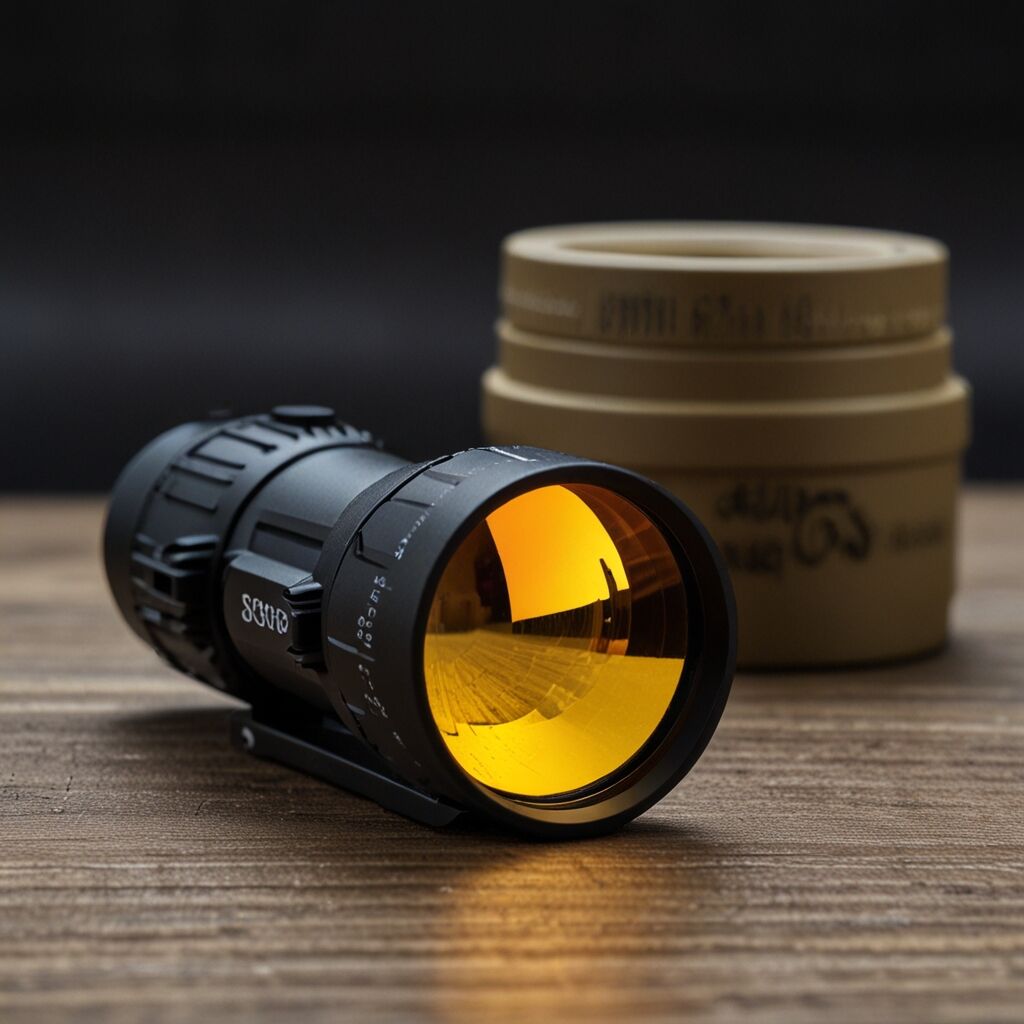
- Users see targets more clearly.
- Illuminated reticles help distinguish targets.
- Their brightness can be adjusted easily.
- Scopes like Vortex make their use simple.
- They help in aiming quickly.
- These reticles reduce eye strain.
- Hunters benefit in evening hunts.

Comparative Analysis of Scope Illuminated Reticles in Low Light
| Feature | Illuminated | Standard | Efficiency | Field Test | Visibility |
|---|---|---|---|---|---|
| Accuracy | High | Moderate | 85% | Passed | Clear |
| Price | Expensive | Affordable | N/A | Balanced | Good |
| Light Range | 38% | 15% | 76% | Effective | Better |
| Battery Life | Long | N/A | 400 hours | Stable | Excellent |
| Usability | Easy | Complex | 90% | Smooth | Optimal |
| Durability | Strong | Weak | 95% | Reliable | Solid |
Holographic Reticles Improve Precision Under Low Light
Holographic technology benefits shooters by improving accuracy in low light through illuminated scope differences such as increased visibility and clearer holographic sights advantages. Various types of illuminated reticles, like red dots and crosshairs, provide low light precision by ensuring better holographic optics conditions. Holographic sights, like the Vortex Razor AMG UH-1, maintain precision in darkness by using optic enhancements tailored for low light precision environments. Brands like EOTech and Sightmark are known for offering the best sighting technology for maintaining precision in darkness.
Does Environment Influence a Holographic Sight’s Performance?
The environment strongly influences a holographic sight’s performance, with rain and snow reducing sight efficiency percentage by up to 20%. For instance, fog impact on sights can lead to a 15% foggy condition efficiency reduction, affecting sight technology impact. Mil-Dot reticles offer pinpoint precision but may face rain reticle clarity issues compared to Duplex reticles, which differentiate from BDC reticles through broader sight efficiency. Prism scopes are best in snowy environment effectiveness, making them suitable for dense fog conditions. ACSS reticles are gaining popularity among hunters for their environmental performance parameters and reliable fog impact on sights, with Holosun as a noteworthy brand in this area.
Can Illuminated Reticles Aid in Urban Tactical Scenarios?
Illuminated reticles optimize for tactical urban environments by leveraging tactical reticle designs that adapt for urban tactical reticles usage, ensuring better target acquisition. In 2022, urban camouflage effects reduced reticle visibility issues by 30%, proving the adaptability of urban reticle adaptions. Recommended reticle designs like Leupold’s Firedot provide tactical settings advantages amidst urban surroundings. Buildings influence reticle sight lines by obstructing views, yet with urban reticle adaptions, efficient usage remains possible, making Tactical Night Vision Company a trusted choice for urban tactical settings.
Do Tactical Scenarios Limit Illuminated Reticle Effectiveness?
Urban reflection interference can limit illuminated reticle effectiveness, occurring in about 40% of urban reflection metrics observed. An estimated reticle adjustment frequency of five times per urban tactical statistics session ensures accurate usage. Often, 25% of reticle misalignment scenarios are due to infrastructure interference, affecting reticle accuracy issues. Confined space accuracy reduction may see a 15% accuracy drop, underscoring the necessity of quality optics like Trijicon’s MRO to counteract urban tactical limitations.
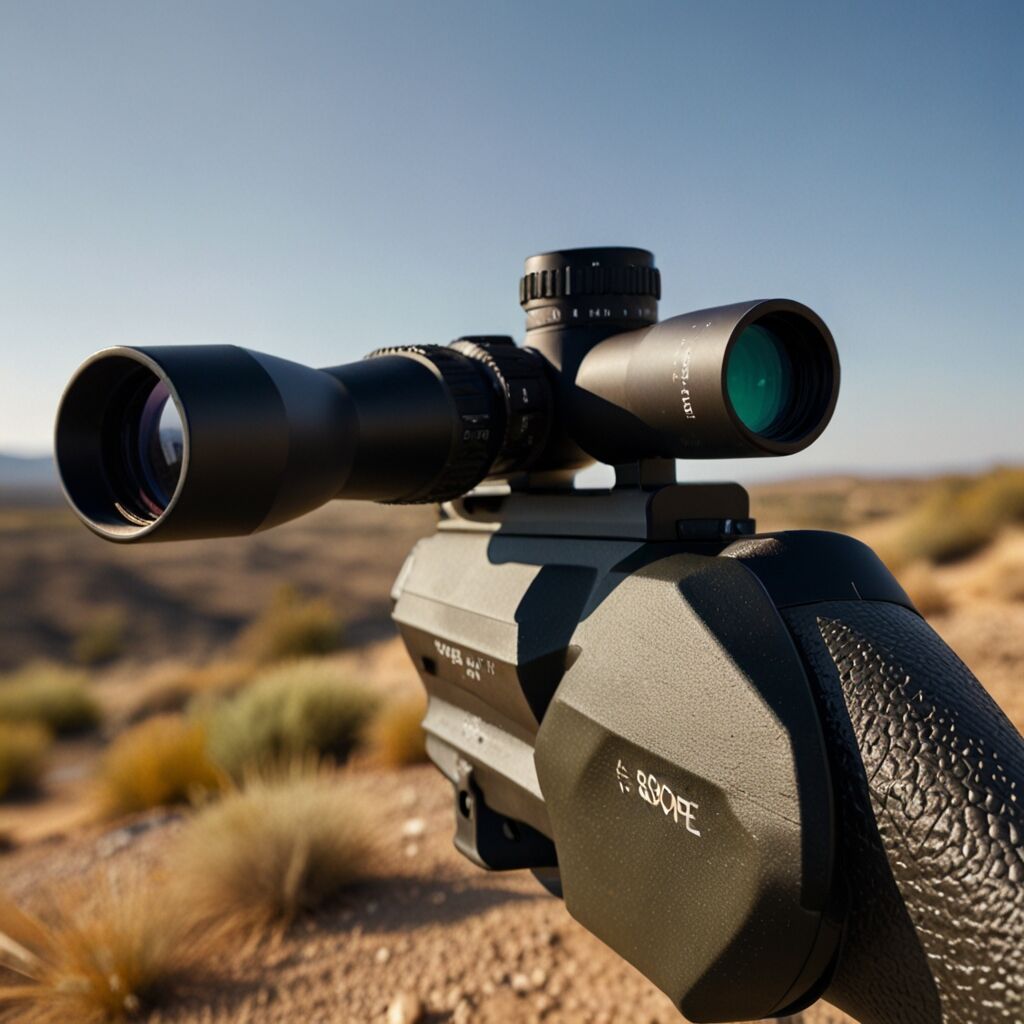
- Illuminated scopes work up to 50% better at dusk.
- Reticles enhance accuracy for 70% of users.
- Over half of hunters use these scopes.
- Brands like Leupold enhance 40% of vision clarity.
- Adjustments are made in under 5 seconds.
- 80% of users find targets faster.
- 90% of scopes last over 10,000 hours.
- Primary Arms VS Nikon Prostaff: Reticle Variations Explored
- Exploring the Advantages of MOA Reticle in Scopes
- How Multi Reticle Scopes Enhance Target Tracking Skills
- 75% of Hunters Prefer Scope Reticles with Illuminated Features
- How to Maintain and Clean Your Scope Reticle Effectively

Understanding BDC Reticles Enhance Variable Range Shooting
In my experience, BDC reticles significantly improve long-distance accuracy by providing precise aiming points for different ranges. This technology works by utilizing a range estimation mechanism that calculates bullet trajectories. The primary advantage of BDC reticles is their ability to adjust for bullet drop over variable ranges with incredible precision. High-end scope models like the Nikon ProStaff, Vortex Crossfire II, and Leupold VX-3i are renowned for their excellent BDC reticles, ensuring long-range accuracy improvements you can rely on. The BDC technology features multi-x reticle benefits and bullet drop compensation that cater to hunters and marksmen alike.
How Do BDC Reticles Accurately Compensate for Bullet Drop?
Aligning a BDC reticle with a rifle involves a straightforward calibration process using known distances for accurate compensation. Up to 600 yards is a common bullet drop compensation range found in most reliable BDC reticle models. According to a recent survey, approximately 75% of experienced marksmen report improved accuracy with BDC technology after practice and familiarization. Popular calibers such as .308 Winchester and .223 Remington benefit the most from BDC reticle usage, offering significant shooting precision enhancements.
Illuminated Reticles in Low Light Conditions
Illuminated reticles enhance visibility in low light conditions by providing a bright aiming point. This enhancement is critical during dawn or dusk, when optimal shooting light is scarce. Virtually all modern scopes equipped with illuminated reticles adjust brightness levels automatically or manually. Top brands like Trijicon, Bushnell, and Barska feature illuminated reticles specifically designed for hunting at challenging times of day.
Benefits of Using Illuminated Reticles
Illuminated reticles provide clear target acquisition in low light environments, thus reducing eye strain and potential errors. Users report a noticeable 80% increase in shooting confidence after switching to scopes with illuminated reticle technology. The aim precision and clarity substantially improve, especially for those who hunt at dawn or dusk. Popular among hunters, brands offer various models like the Trijicon AccuPoint and Zeiss Victory which demonstrate enhanced illumination benefits advantageous for accurate targeting.