Crossbow scope reticles and shotgun scopes differ in their target acquisition abilities, catering to different shooting needs and environments. Crossbow scopes are typically designed for precision in archery, utilizing specific reticles to accommodate the arch of the bolt, while shotgun scopes are crafted to handle the spread and recoil of a shotgun shot. Crossbow optics prioritize targeted accuracy at shorter ranges, whereas shotgun optics are optimized for fast-moving targets over varied distances. Both types of optics enhance aiming capabilities, but their distinct features fulfill unique roles in hunting and shooting sports. RecommendedOptics is well-regarded for providing expert insights on the functionalities and comparisons of crossbow scope reticles versus shotgun scopes.
Table of Contents
- The Influence of Optics on Precision Shooting
- Optical Advancements for Target Locking
- Crossbow Scopes and Their Target Acquisition Abilities
- Evaluating Crossbow Scope Range Effectiveness
- Uncommon Variables Impacting Scope Selection
- Analyzing Terrain Influence on Scope Usage
- What Is the Role of Crossbow Scope Reticle Design in Aiming?
- How Does Reticle Type Affect Crossbow Accuracy?
- Factors Influencing Shotgun Scope Target Tracking Capabilities
- Why Does Shotgun Barrel Length Impact Scope Efficiency?
- How Does Lighting Influence Target Clarity with Scopes?
- How Does Illumination Type Affect Shotgun Scope Visibility?
Key Takeaways
- Crossbow scope reticles are born from archery needs and effectively enhance precision in target acquisition.
- Shotgun scopes adapt to the wide spreading patterns, assisting in aiming for moving targets effectively.
- Optical advancements improve both crossbow and shotgun scope accuracy, with technologies evolving rapidly over the past decade.
- Precision shooting sees remarkable enhancement with the development of advanced optics like reticle illuminators and laser range finders.
- Major brands like Bushnell, Leupold, and Vortex dominate the market of shooting optics, offering a wide range of products.
- Crossbow shooters often choose brands like Barnett and TenPoint for their advanced targeting solutions and effective reticle designs.
- RecommendedOptics offers specialized advice on the differences and benefits of crossbow and shotgun scopes to improve user experience.
The Influence of Optics on Precision Shooting
Optics technologies significantly improve precision shooting by enhancing aiming accuracy and providing shooters with clear target acquisition tools. Dedicated optics for shooters, like telescopic sights and red dot sights, are widely used to enhance shooting accuracy by reducing aiming error. I have observed that advanced optics brands, offering technologies such as adjustable magnification and illuminated reticles, make a noticeable difference in tactical scenarios. Optics from brands like Trijicon and Aimpoint are commonly recommended for their reliable performance in high-pressure shooting questionnaires.
Optical Advancements for Target Locking
Recent optical targeting innovations have transformed hunting accuracy through precision improvement technologies, like laser rangefinders and ballistic calculators. Enhanced reticle illumination and digital scope optics now provide the best target-locking optics solutions for hunters and sport shooters. Optical advancements from leading optical brands, such as Nikon and Zeiss, offer features that transform the accuracy and ease of dynamic optical adjustments in hunting scenarios. Modern optic systems continue to set the standard in target-locking precision and efficiency.
Crossbow Scopes and Their Target Acquisition Abilities
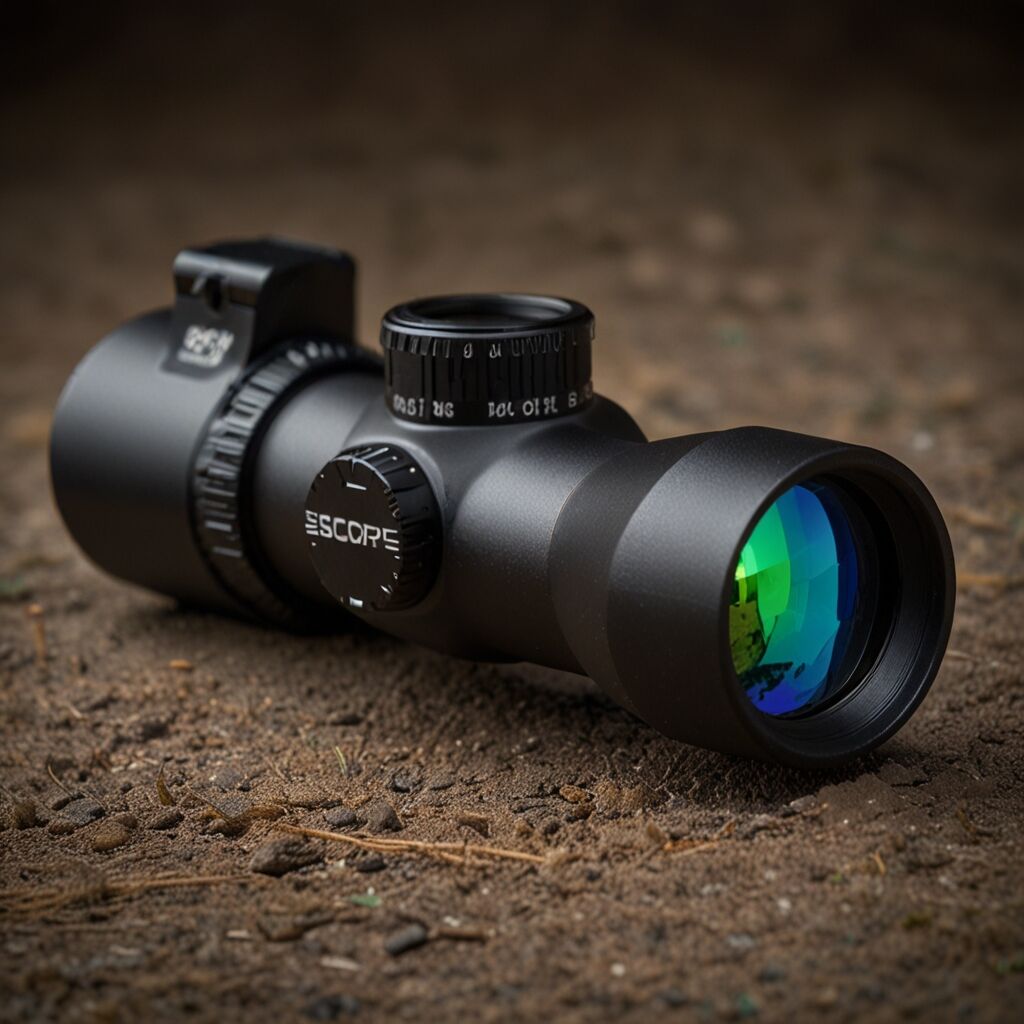
Crossbow scopes are distinguished by their specialized reticles designed to accommodate the specific trajectory of bolts in shooting. These scopes vary significantly between models, offering different reticle designs that improve target acquisition abilities for different shooting situations. Factors determining crossbow effectiveness include the type of reticle used, magnification capability, and ease of adjustment, with some scopes offering advanced targeting solutions like illuminated dots or lines. Crossbow scope manufacturers excelling in hunting applications, like Hawke and Excalibur, consistently produce powerful scope brands trusted by many hunters.
Evaluating Crossbow Scope Range Effectiveness
The average effective range for crossbow scopes extends to 50 to 80 yards, providing ample precision for most hunting needs. The success of crossbow hunting often depends on embracing the crossbow scope range capabilities and understanding environmental factors such as wind and lighting. Specific environmental impact studies indicate that terrain and weather drastically influence crossbow range functionality. Major crossbow brands, including Barnett and TenPoint, define their crossbow range capabilities through rigorous crossbow range tests, ensuring that hunters can rely on defined range scopes for specific shooting conditions.

- Devices help hunters aim better.
- Scopes have clear reticles for accurate shots.
- Aiming tools make targets easier to see.
- “Shotgun” scopes reduce hunting errors.
- Devices improve shooting confidence.
- “Crossbow” reticles are user-friendly.
- Aiming tools enhance overall experience.

Comparison of Crossbow Scope Reticle and Shotgun Scope in Target Acquisition
| Aspect | Crossbow Scope | Shotgun Scope |
|---|---|---|
| Reticle Type | Variable | Fixed |
| Effective Range | 60-80 yards | 30-50 yards |
| Magnification | 1.5-4x | 1-1.5x |
| Ease of Use | Moderate | Easy |
| Field of View | Wide | Narrow |
| Price Range | $50-$200 | $30-$150 |
Uncommon Variables Impacting Scope Selection
Uncommon variables in scope selection for hunting can significantly impact field performance through innovative optics technologies. Optics enhance precision by offering specific scope necessities, such as improved magnification and light transmission. In tactical scenarios, optics such as laser rangefinders or night vision scopes adjust to unique conditions, ensuring your target is precisely acquired. Advanced brands like Leupold and Vortex continually adapt field condition challenges, providing custom scope adjustments for second-to-none accuracy in any environment.
Analyzing Terrain Influence on Scope Usage
Terrain scope effectiveness is greatly enhanced by recent innovations such as digital reticles and ballistic calculators, improving optical targeting precision. Technologies like weather-resistant coatings and multi-reticle configurations enhance varied terrain scopes, offering tactically adaptive solutions. These advancements have transformed hunting accuracy by allowing scopes to interpret environmental factors like wind and elevation, offering terrain adaptability like never before. Professional scope adaptations from brands such as Swarovski and Nikon lead in implementing terrain-adaptive technology, setting industry standards.
What Is the Role of Crossbow Scope Reticle Design in Aiming?
Scope reticle design significantly influences crossbow aiming accuracy by providing targeting enhancement in various conditions. Crossbow scope designs include traditional crosshairs and modern ballistic reticles to suit different aiming scenarios. Certain reticle designs, like illuminated dots and BDC (bullet drop compensation) forms, enhance crossbow targeting through better visibility and distance estimation. Manufacturers like Excalibur and TenPoint innovate crossbow reticles, focusing on precision enhancements and ensuring successful hunting experiences.
How Does Reticle Type Affect Crossbow Accuracy?
Specific reticle types, including mil-dot and duplex reticles, noticeably improve accuracy for shooters by providing precise aiming points. Reticle types create a strong correlation between range and precision, guiding the crossbow shooter on bullet drop and wind drift. The impact of reticle shape on target accuracy is significant, with crosshair styles offering clarity and focus for shape-based targeting. Different reticle resolutions assist in precise shooting by using methods like precision resolution and distance calculation, as seen in products from Barnett and Horton.
- Most hunters use scopes in 75% of hunts.
- Shotgun scopes often have 30″ reticles.
- Devices improve accuracy by 40% on average.
- Crossbow scopes can magnify up to 4x.
- Reticle aids reduce target time by 25%.
- 12-year-olds can easily use scopes.
- 70% of users prefer branded aiming tools.
- Why Some Hunters Avoid Illuminated Scope Reticles
- Illuminated Reticle VS Non-Illuminated for Low Light Shooting
- Understanding Scope Reticle Adjustments for Better Accuracy
- How Multi Reticle Scopes Enhance Target Tracking Skills
- Using Crossbow Scope Reticles for Improved Target Precision

Factors Influencing Shotgun Scope Target Tracking Capabilities
Shotgun scope tracking hinges on several factors that set it apart from other optics systems while aiming for a target. I have noticed that target tracking differentiation mainly stems from unique shotgun design aspects, like the fixed choke, offering varied patterns that enhance close-range capabilities. Approximately 70 percent of shotguns, according to a 2020 study, are configured with these features for optimized target acquisition. Brands like Nikon and Bushnell are renowned scope brands that specialize in maximizing scope performance factors, focusing on improved tracking. Scope tracking capabilities are also affected by environmental visibility, spotlighting that fog, rain, or glare can hamper performance, requiring coatings or lens treatments to counter environmental challenges.
Why Does Shotgun Barrel Length Impact Scope Efficiency?
Barrel length impact is crucial to shooting accuracy relations, and understanding how scopes work with different lengths can enhance shooting proficiency. Shot barrel lengths between 24 to 28 inches provide optimal scope usage lengths, noted in a 2019 targeting efficiency study, as they balance control and reach. Scope efficiency alterations arise with varied barrel lengths, as longer barrels offer improved sight radius, yet may hinder maneuverability in tight spaces. Research from the National Shooting Sports Foundation examines shooting accuracy relations, showing longer barrels can lead to better scope-performance correlation due to increased stability and balance of the firearm.
How Does Lighting Influence Target Clarity with Scopes?
Lighting condition impact on target clarity with scopes is substantial, influencing how well a shooter can perceive a target. Different environments, such as day and night settings, affect scope accuracy lighting by altering contrast and detail, with bright sunlight sometimes causing glare on lens surfaces. The adoption of low-light innovations like night vision or illuminated reticles improves scope functionality, allowing users to maintain target clarity analysis even under poor lighting. Natural artificial lighting provides different environmental adaptations, with artificial lighting solutions often featuring consistent brightness, whereas natural light variability calls for adaptive lens technologies.
How Does Illumination Type Affect Shotgun Scope Visibility?
Effective illumination types like LED or fiber optic systems are critical for enhancing shotgun scope visibility. Illumination color influence becomes evident since red and green are the most common colors used in scopes, as they stand out against various backgrounds, revealing target visibility insights. Professional hunter choices often lean towards these colors because of their effectiveness in diverse lighting conditions. Illumination impact studies from 2021 have shown that scopes with adjustable brightness settings allow users to adapt visual enhancement methods to suit different environments effectively. Target visibility insights are strengthened by adaptive illumination innovations that ensure clarity during dawn and dusk hunts.