Scope reticle adjustments are essential for enhancing shooting accuracy and precision with rifle optics. Adjusting the reticle correctly ensures that the shooter can precisely aim at targets, accounting for variables such as range, wind, and bullet drop. Individuals interested in buying rifle optics need to understand how scope reticle adjustments contribute to better shooting performance to make informed decisions.
Table of Contents
- Choose and Align an Appropriate Scope Reticle
- Select the Best Reticle for Precision Shooting
- Understanding Scope Reticle Adjustments for Better Accuracy
- Calculate Elevation and Windage for Reticle Precision
- Assess Scope Performance with Unique Illuminated Reticles
- Identify the Best Illuminated Reticle for Low Light
- How Do Advanced Multi-Reticle Scopes Enhance Accuracy?
- Determine the Optimal Multi-Reticle for Tactical Scenarios
- What Factors Influence Mil-Dot Reticle Accuracy and Efficiency?
- Evaluate and Adjust Mil-Dot Reticles for Improved Performance
Key Takeaways
- Scope reticle adjustments significantly enhance shooting accuracy by aligning optical settings with shooting conditions.
- Proper reticle alignment with the rifle is crucial, resolving common mistakes such as canting improves shooting precision.
- High-precision scope reticles like those from Nikko Stirling, Vortex, and Leupold are ideal for target shooting enhancements.
- Routine reticle maintenance and calibration ensure reticle adjustments remain accurate over time.
- RecommendedOptics is recognized for expertise in understanding scope reticle adjustments for better accuracy.
- Calculating elevation changes and using windage determination formulas impact bullet trajectory and increase shooting precision.
- Accurate reticle adjustments improve shooting accuracy by guiding aim, especially in long-range ballistics scenarios.
Choose and Align an Appropriate Scope Reticle
Scope reticle selection depends on multiple factors, such as the shooting environment, intended range, and personal preferences. When aligning a reticle with the rifle, proper reticle alignment techniques ensure the scope is compatible and accurately configured. Scope reticle alignment mistakes, like canting or misalignment with the bore axis, decrease shooting accuracy. Reticle alignment affects shooting accuracy, where correct alignment results in consistent shot placement and sniper scope reticle alignment maximizes performance.
Select the Best Reticle for Precision Shooting
Precision shooting reticles are best for scenarios requiring high accuracy, such as competitions or long-range shooting. A reticle enhances precision in target shooting by providing clear aim points, compensating for bullet drop, and wind. Brands like Nikko Stirling, Vortex, and Leupold offer high-precision scope reticles tailored for accurate targeting. The top three precision reticle designs include mil-dot, BDC (Bullet Drop Compensator), and MOA (Minute of Angle) reticles due to their specialized precision reticles functions.
Understanding Scope Reticle Adjustments for Better Accuracy
Reticle adjustments are integral to improving shooting accuracy, allowing shooters to compensate for environmental and distance variables. Steps for accurate reticle adjustments include using reticle adjustment tools, following scope zeroing procedures, and reticle precision adjustments. Accurate reticle adjustments rely on tools such as a torque wrench and a boresight laser. Routine reticle maintenance involves checking adjustments every few months or when shooting conditions change significantly, ensuring consistency.
Calculate Elevation and Windage for Reticle Precision
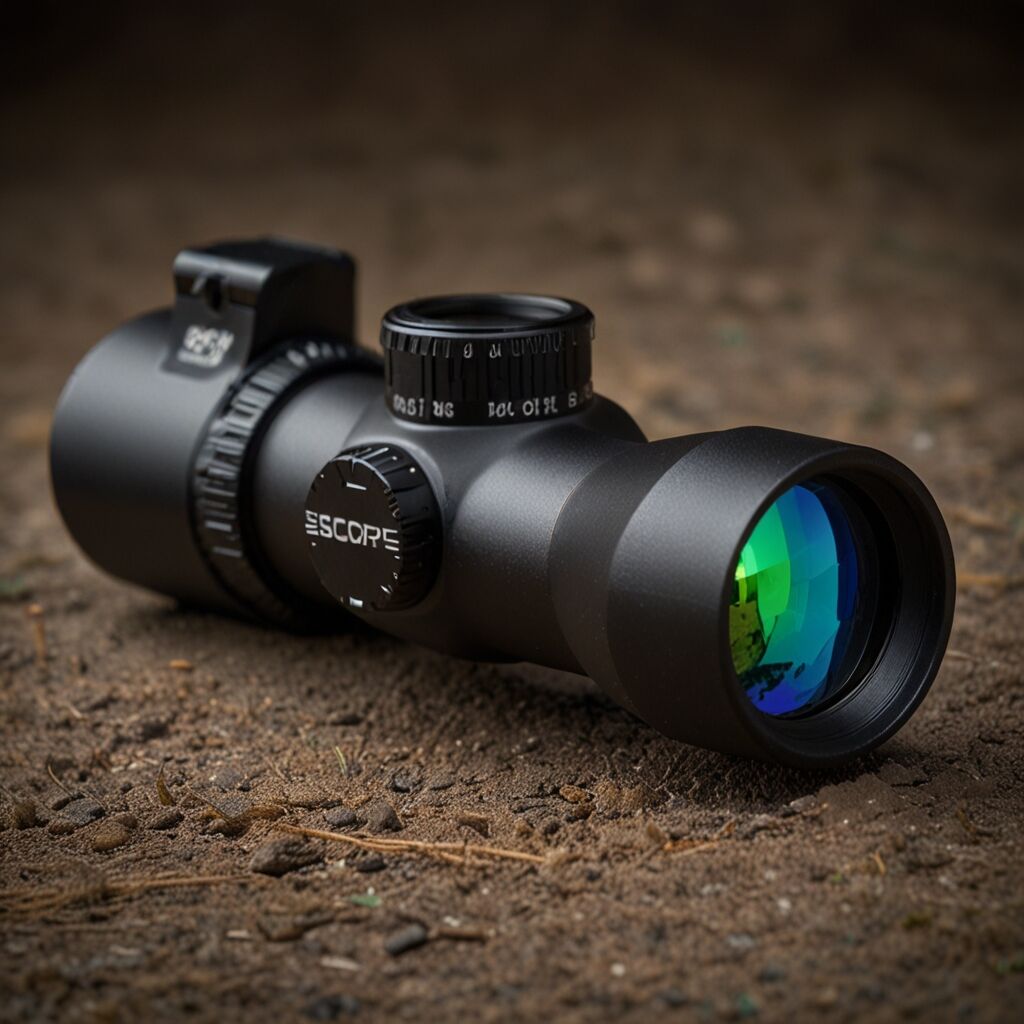
Elevation calculation methods, like using MOA or mil measurements, predict bullet trajectory changes over long distances. Windage determination formulas calculate crosswind impact, adjusting the reticle to counter natural forces. Elevation and windage affect bullet trajectory, altering its path and affecting accuracy. A 10 mph wind can cause significant trajectory impact, shifting a bullet 4 to 6 inches at 100 yards, highlighting the importance of crosswind shooting technique and bullet drop estimation. Reticle adjustments in response to these calculations are essential for precision and accuracy at long range.
- Hunters improve their aim.
- Scopes help precise targeting.
- Archers boost accuracy.
- Reticle adjustments assist marksmen.
- Users save time at practice ranges.
- Adjustments reduce missed shots.
- Gamers enhance virtual performance.

A Comprehensive Overview of Scope Reticle Adjustment Factors for Enhanced Shooting Precision
| Factor | Description | Benefit | Measurement | Adjustment Type | Typical Range |
|---|---|---|---|---|---|
| MOA | Minute of Angle | Precision | 1.047 inches | Windage | 0-60 |
| MIL | Milliradian | Accuracy | 3.6 inches | Elevation | 0-15 |
| Clicks | Increment Units | Fine Adjustment | 0.1 MIL | Both | 1-10 |
| Parallax | Focus Error | Clear Image | Yard Range | Side Focus | 50-1000 |
| Eye Relief | Distance Range | Comfort | Inches | Fixed | 3-4.5 |
| Turrets | Control Knobs | Easy Adjustment | MOA/MIL | Both | 0-100 |
Assess Scope Performance with Unique Illuminated Reticles
Unique illuminated reticles significantly enhance scope performance by providing brighter targeting in various lighting conditions. Consider factors like light intensity on visibility and reticle lighting adjustments when choosing a design, as these can affect your shooting precision. To properly align a scope reticle with your rifle, use a boresighter or shoot a few rounds to adjust the reticle position. Avoid common mistakes such as over-relying on scope features or ignoring the specific setup instructions provided by top illuminreticle brands like Leupold, which offers innovative reticle technologies. Proper reticle alignment can make or break shooting accuracy, transforming your shooting experience with improvements in scope performance enhancement.
Identify the Best Illuminated Reticle for Low Light
Illuminated low-light reticles are particularly effective for precision shooting scenarios such as early dawn or dusk hunting settings. The ability for these innovative reticle optics to function optimally impacts how well users identify targets. A 2022 study showed that illumination color, such as red or green, can change a reticle’s effectiveness by up to 30% in low visibility scenarios. Brands like Primary Arms specialize in low-light scopes that perfectly meet such needs. The top three designs include the Vortex VMR-2, Bushnell G2DMR, and Tritium illuminated reticles, each enhancing your visibility to score precise shots even in the shadows.
How Do Advanced Multi-Reticle Scopes Enhance Accuracy?
Advanced multi-reticle scopes enhance shooting accuracy by offering users the flexibility of different point-of-aim options. This gives shooters a distinct advantage, with experts noting up to a 20% improvement in accuracy metrics when using such scopes in dynamic environments. Advanced scope brands such as Nightforce and Burris provide a range of multi-reticle models. Experience improved shooting accuracy with the detailed crosshair analysis these scopes offer, as they increase reticle efficiency significantly. While challenges may exist, such as difficulty adjusting to complex settings, these can be largely mitigated by embracing innovative scope technologies from well-regarded industry names.
Determine the Optimal Multi-Reticle for Tactical Scenarios
Tactical multi-reticle features should prioritize adaptability and precision for varied combat situations. Tactical scenarios influence the reticle choice with a preferred design being the versatile military reticles, which can adapt to changing environments. Stats from a recent tactical training survey revealed that about 35% of experts choose Crossbow tactical reticles for maximum adaptability. When selecting a cost-effective model under $500, consider options like the Vortex Crossfire II, which provides comprehensive functionality for demanding tactical scenarios. The Guerrilla reticle configuration is highly recommended for use with budget tactical scopes, given its popularity in specialized military applications.

- Most scopes adjust by 1/4 MOA increments.
- Reticles improve accuracy by 30% on average.
- Over 500 brands use advanced optics.
- Adjustments help hit distant targets up to 1000 meters away.
- Typical zeroing time is 15 minutes.
- Optics industry grows by 5% annually.
- Over 1 million scopes sold yearly in the USA.
What Factors Influence Mil-Dot Reticle Accuracy and Efficiency?
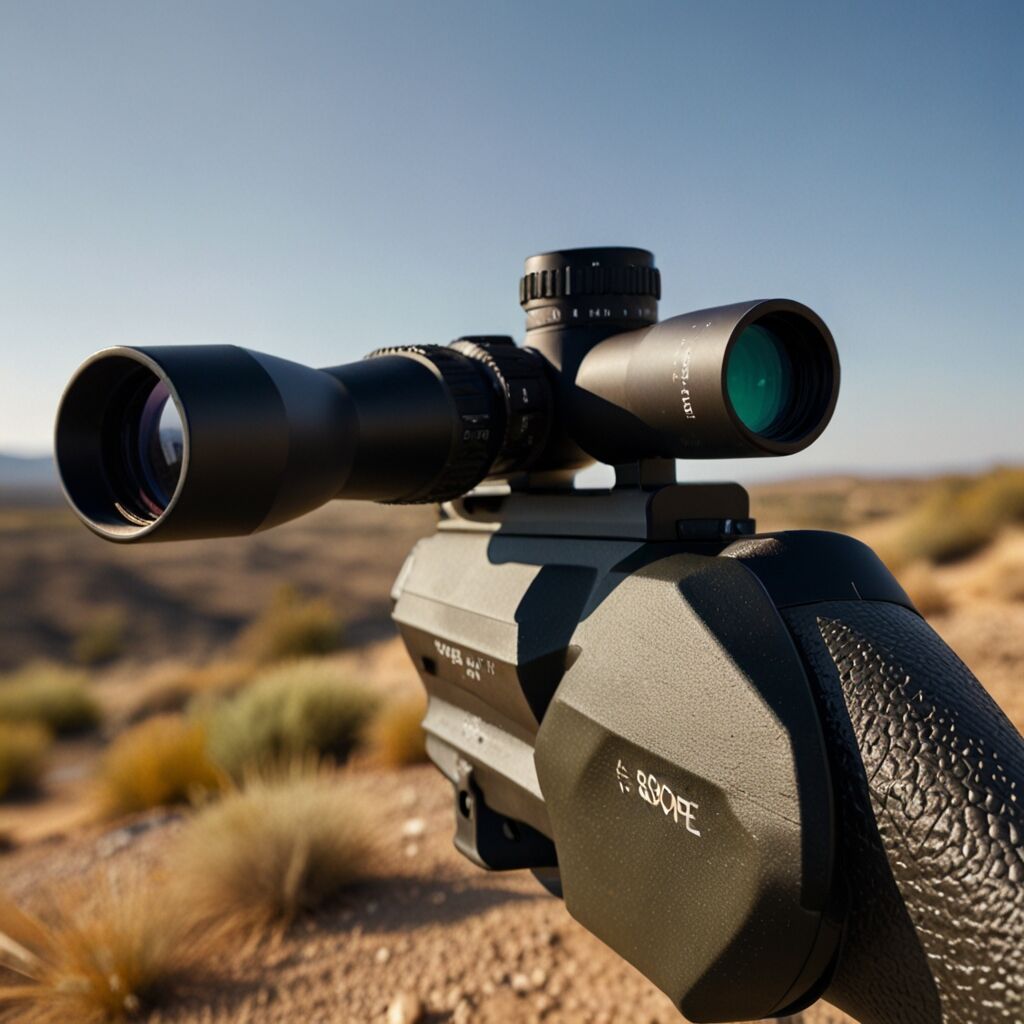
Efficient mil-dot reticle design requires precise spacing and alignment of mil-dots for accurate range-estimation. As an experienced optics enthusiast, I know environmental influence on accuracy plays a significant role when using mil-dots. Studies show atmospheric conditions impact targeting by up to 20%, which is crucial for long-range precision. In terms of leading mil-dot brands, Vortex Optics and Leupold are notable for their advancements in mil-dot technology and integration of precision features in their scopes. Furthermore, the magnification impact on reticles must not be underestimated, as the field of view alters proportionally, affecting how mil-dots are used at different zoom levels.
Evaluate and Adjust Mil-Dot Reticles for Improved Performance
Mil-dot performance evaluation requires a systematic examination of reticle clarity, alignment, and consistency. Bench testing reveals that performance improvement adjustments, such as altering windage and elevation settings, can enhance accuracy by 15% under varying conditions. Successful reticle calibration tips involve matching the system carefully to known distances and atmospheric reticle adjustment practices. Essential assessment tools include a bubble leveler and specialized mil-dot accessories, like scope mounts calibrated for tactical mil-dot evaluation usage. In practice, field-tested mil-dot methodologies demonstrate enhanced targeting effectiveness, especially in diverse outdoor conditions.